Why VO2 Max Is the Most Important Metric for Longevity
What is VO2 max (VO2max), and why is it the single most important metric for longevity, healthspan and lifespan? Sport scientist Sebastian Weber explains five reasons VO2 max predicts all-cause mortality: muscle mass, glycogen, chronic activity, body fat, and heart and lung function.


What is VO2 max (VO2max), and why is it the single most important metric for longevity, healthspan and lifespan? Sport scientist Sebastian Weber explains five reasons VO2 max predicts all-cause mortality: muscle mass, glycogen, chronic activity, body fat, and heart and lung function.
How to measure VO2 max without a VO2 analyzer or a mask, from lactate tests: https://inscyd.com/vo2max-without-analyzer
"With INSCYD, you can measure the single most important metric predicting healthspan, lifespan, and all-cause mortality, VO2max, with the same accuracy as the best metabolic carts and the best equipped scientific labs, just without the cost of it." Sebastian Weber
Book a free INSCYD demo: https://inscyd.com/demo
Chapters
00:00 VO2 max in 45 seconds
00:44 Why VO2 max matters for healthspan and lifespan
01:04 1. Muscle mass and sarcopenia
01:53 2. Glycogen: the glucose sink
02:43 3. Chronic training and activity
03:24 4. Body weight and body fat
04:02 5. Heart and lungs
04:48 Measuring VO2 max with INSCYD
What is VO2 max?
VO2 max is the amount of oxygen your body can take in and use for energy metabolism: through the lungs, the heart and the blood, down to the muscle, the last bottleneck. In INSCYD, VO2max measures the body's maximum aerobic capacity: the maximum amount of oxygen the body can utilize. https://inscyd.com/metric/vo2max
Five reasons VO2 max predicts longevity
1. Muscle mass. More muscle mass does not automatically mean a higher VO2 max, but you cannot have a high VO2 max with sarcopenia, a loss of muscle mass.
2. Glycogen. The muscle stores glycogen, a storage form of glucose. The higher the VO2 max, the more glycogen is stored in the muscle, and the more of the carbohydrates you eat after exercise can replenish it instead of being stored as fat. Sebastian calls it a glucose sink.
3. Chronic training and activity. VO2 max reflects how much you move and how much time you spend at high intensity. The chronic load from both correlates very nicely with VO2 max.
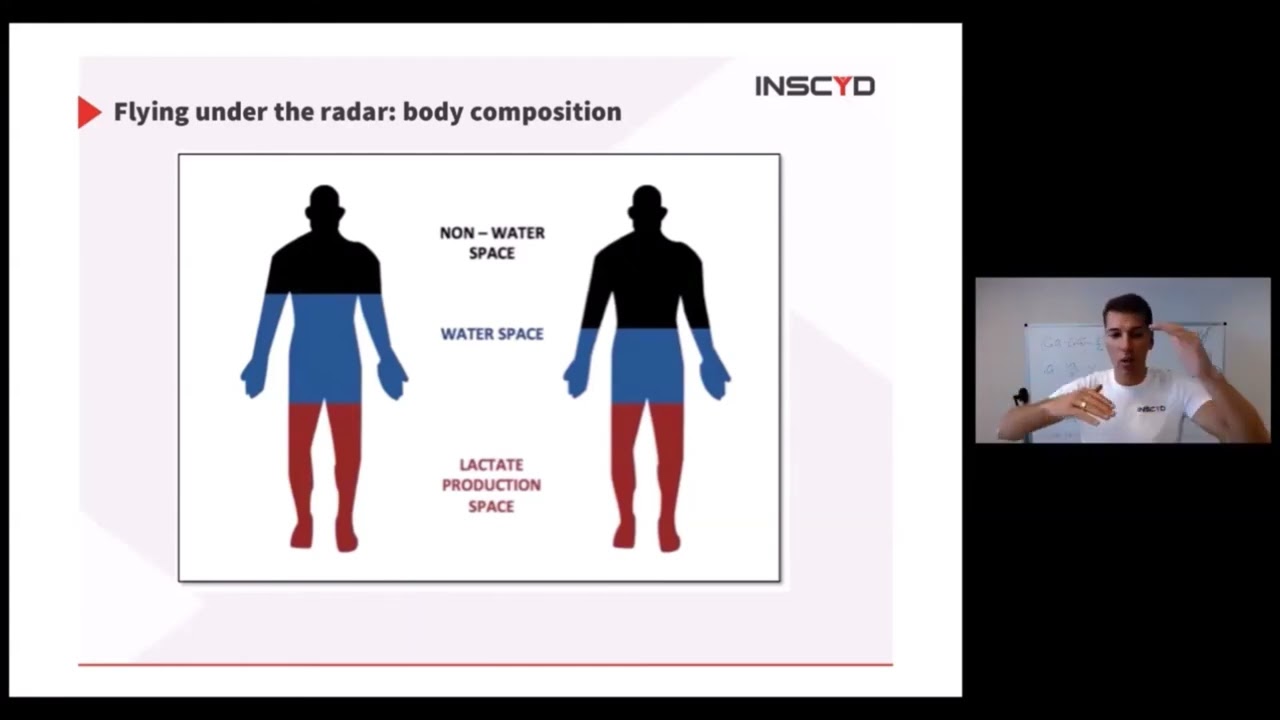
4. Body weight and body fat. VO2 max is expressed in milliliters per minute per kilogram body weight. Fat is not a big oxygen consuming tissue, so a higher body fat percentage lowers VO2 max, and more lean body mass increases it.
5. Heart and lungs. Anything that lowers lung capacity or the heart's capacity to pump blood lowers VO2 max. VO2 max can only be high if heart and lungs function as they're supposed to.
Watch next
- The 80/20 Rule Doesn't Work in Endurance Training
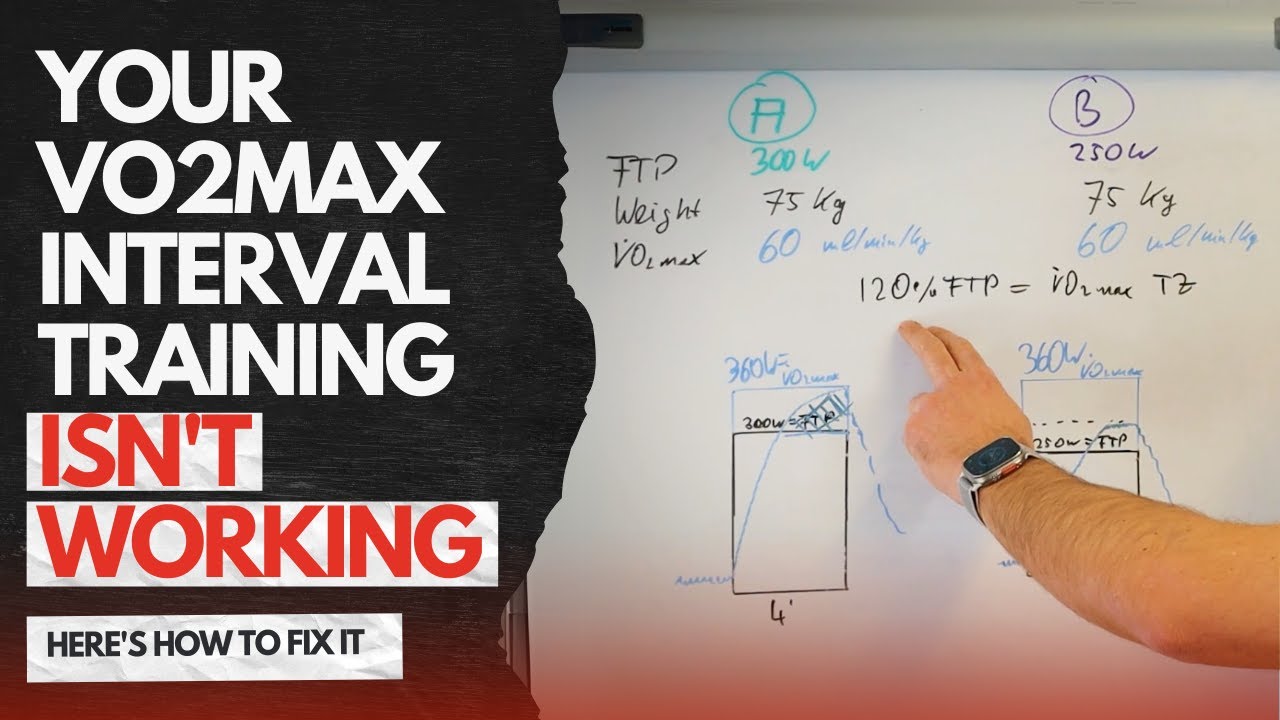
- Why Your VO2max Interval Training Isn't Working
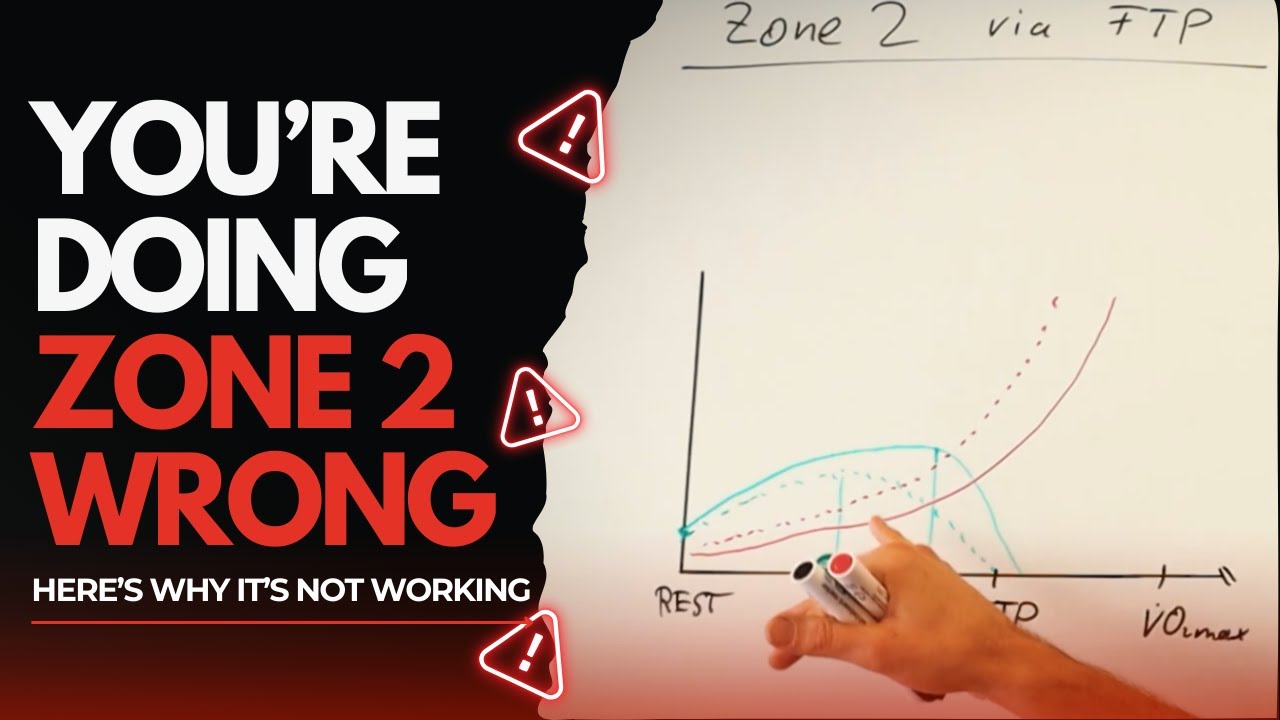
- Zone 2 Training Explained
- Norwegian 4x4 vs HIIT
Sebastian Weber is a sport scientist and the founder of INSCYD. He coaches WorldTour cyclists and advises elite federations.
Which of the five reasons do you see most in your athletes? Tell us in the comments on YouTube.
You can measure the single most important metric predicting healthspan, lifespan, and all-cause mortality, VO2max, with the same accuracy as the best metabolic carts and the best equipped scientific labs, just without the cost of it. VO2max can only be high if heart and lung function as they're supposed to do. higher body fat percentage lowers VO2max.
So meaning more muscle mass, more lean body mass will increase VO2max. VO2max, so to speak, is an indicator also of how much average movement the person has. the carbohydrates you eat afterwards can be used to replenish that glycogen instead of, for example, storing it as fat.
But why is VO2max actually such a powerful metric to understand all-cause mortality, healthspan, and lifespan? Here are the five aspects of VO2max that makes it the single most important metric for healthspan, lifespan, and all-cause mortality.
Number one, if you think it through, VO2max means the amount of oxygen that your body can take in and use for energy metabolism. To produce energy in exercise for muscle contraction. That means the total amount of oxygen that can take up at the end, go beyond inhaling it, bringing it down via the heart, via the blood, down to the muscle.
At the end, the last bottleneck, so to speak, is the muscle. So the more muscle mass you have, potentially the higher the VO2max is. Not necessarily meaning you just need more muscle mass, you will have higher VO2max. Not at all. But you cannot have high VO2max with sarcopenia, with a loss of muscle mass. So muscle mass is a part of what makes VO2max.
Reason number two, The muscle stores glycogen, which is a storage form of glucose, or in short, sugars, as a fuel. The higher the VO2max, the higher the amount of glucose in forms of glycogen that is stored in the muscle. Now you need to think about it this way. When you exercise, you can actually drain that storage.
And the bigger the storage is, the more you can drain from it, the more of the carbohydrates you eat afterwards can be used to replenish that glycogen instead of, for example, storing it as fat. So glycogen stores in the muscle basically provide you with something you can call a glucose sink. And the storage size, the capacity of that glucose sink correlates with VO2max.
Number three, VO2max reflects the chronic endurance training or the chronic activity of an athlete. Meaning the more chronic movement you have in general. Of course, it correlates a little bit better with endurance training. But in general, the more time you move and the more time at high intensity. So the product of exercise intensity or activity intensity and how many minutes or hours move.
That combined the chronic load you have from these two factors correlate very nicely with VO2max. So therefore, VO2max, so to speak, is an indicator also of how much average movement the person has.
Number four, VO2max is expressed in milliliters per minute per kilogram body weight. So it's normalized to body weight. Meaning, people with higher body weight, especially if it's not lean body mass, but fat mass have lower VO2max values. So higher body fat percentages, because fat does not really contribute to VO2, it's not a big oxygen consuming tissue, higher body fat percentage lowers VO2max. So meaning more muscle mass, more lean body mass will increase VO2max.
And the fifth reason why VO2max likely links so nicely to all-cause mortality, healthspan and lifespan is VO2max would go down if, for example, lung capacity would decrease or if the capacity of the heart to pump blood would decrease significantly. For example, due to a decreased innervation ability of the heart, meaning reduction in heart rate.
So anything that affects the carrying capacity of oxygen to the muscles, either via blood or via lung, anything that decreases that potentially decreases VO2max. And therefore, VO2max can only be high if heart and lung function as they're supposed to do.
With INSCYD, you can measure the single most important metric predicting healthspan, lifespan, and all-cause mortality, VO2max, with the same accuracy as the best metabolic carts and the best equipped scientific labs, just without the cost of it.