INSCYD the Numbers: FTP (Functional Threshold Power) Part 2
INSCYD's Sebastian Weber walks cyclists, triathletes, and coaches through what is FTP (Functional Threshold Power) what creates FTP and what mechanisms can you use to change it. Learn more about FTP and anaerobic threshold via: https://inscyd.com/article/why-you-overthink-anaerobic-threshold-ftp/
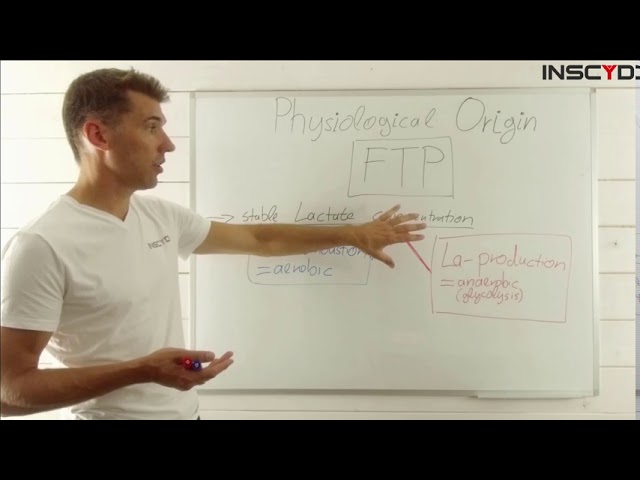

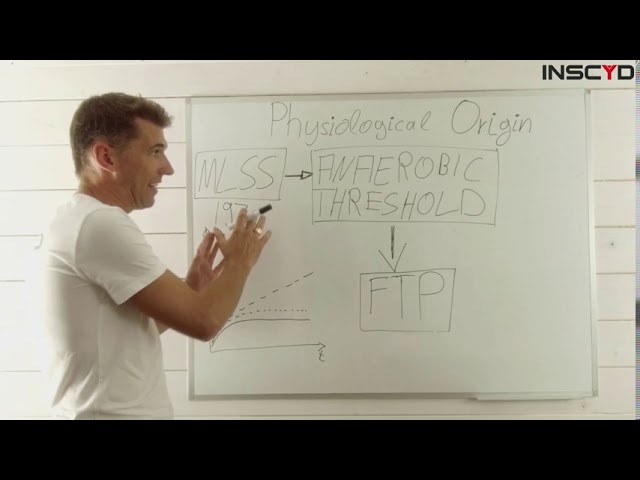
FTP, or Functional Threshold Power, is one of the most commonly used metrics in cycling training, but it is widely misunderstood. In this video, we go back to the origin of FTP and explain what it actually represents physiologically. FTP was originally defined as the highest power output a cyclist could sustain for approximately one hour.
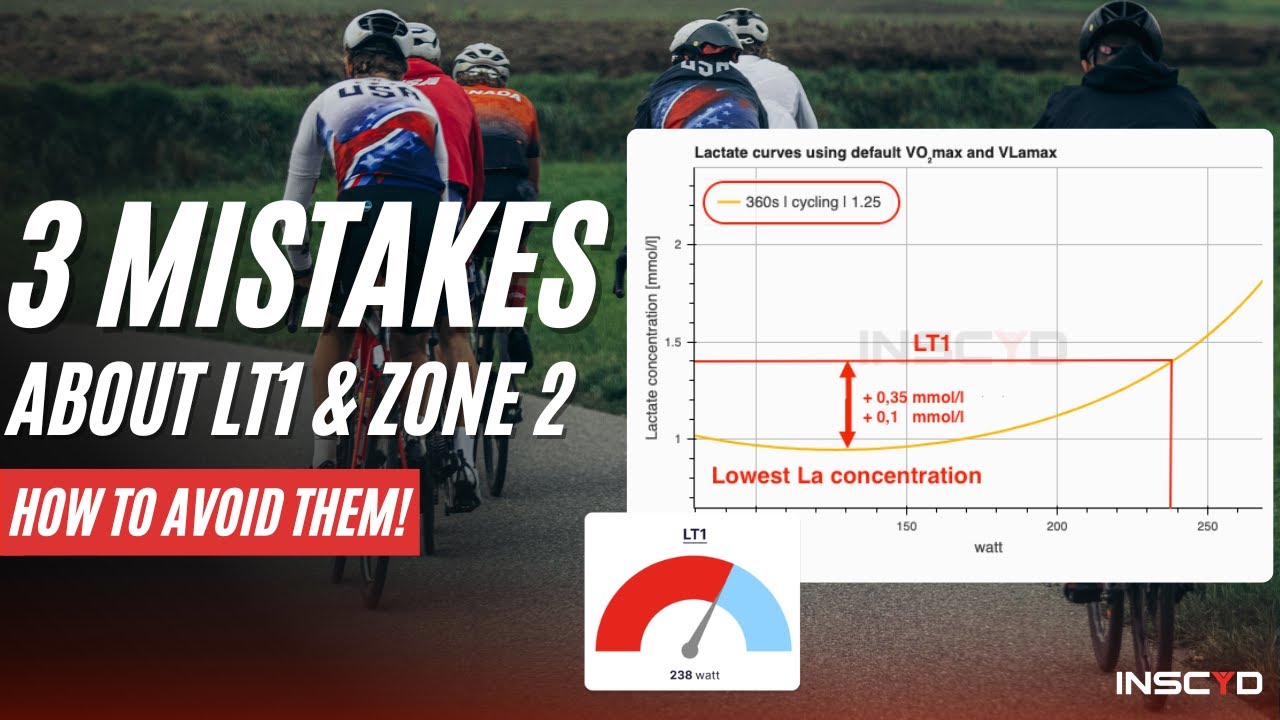
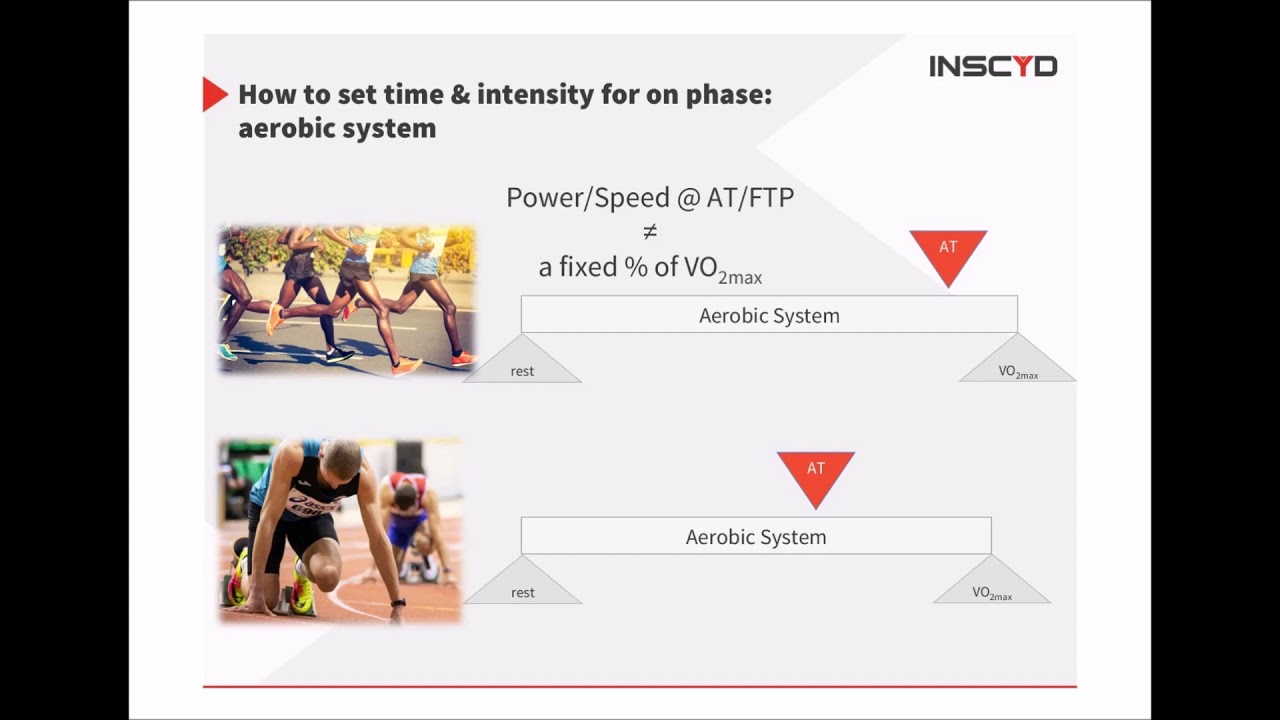
It was designed as a practical proxy for maximal lactate steady state, MLSS, which is the physiologically meaningful threshold concept. The problem is that FTP as typically measured, using a 20-minute test multiplied by 0.95 or a ramp test, often does not accurately represent MLSS for individual athletes. The relationship between FTP test results and actual MLSS varies depending on the athlete's VLamax.
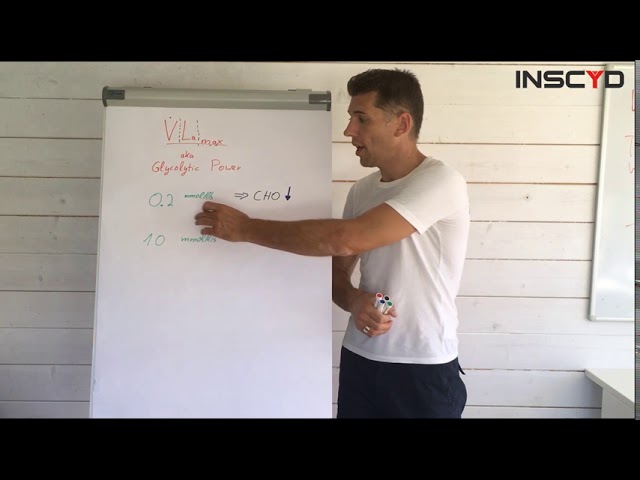
Athletes with a high VLamax will have an FTP that is substantially lower than their MLSS, while athletes with a low VLamax may have an FTP that closely tracks their MLSS. This has important implications for training zone prescription. If you set training zones from FTP without knowing the athlete's VLamax, you may be setting zones that are systematically too high or too low for that specific athlete.
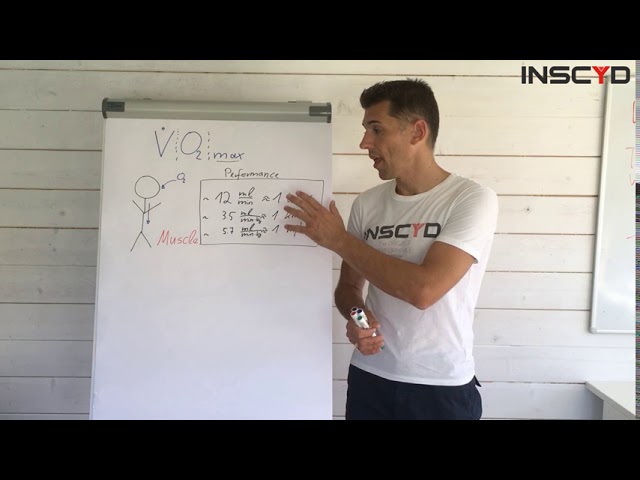
The INSCYD approach is to determine MLSS directly from the metabolic profile, using VO2max and VLamax together with the athlete's actual lactate kinetics. This gives a much more precise threshold value that can be used to set accurate training zones for each individual athlete, regardless of their metabolic profile type.



![[Tutorial] Training Zone Builder Update](https://cdn.prod.website-files.com/69fb420749df096c7fb865ef/69fdf1e0d26c1f6fe0d4c945_maxresdefault.jpeg)


![[Tutorial] Virtual Test & Performance Projection: Compare Training Outcomes in INSCYD](https://cdn.prod.website-files.com/69fb420749df096c7fb865ef/69fdf1e2a6495029773d8211_maxresdefault.jpeg)


![Create Training Plans Like Top Coaches [5 Steps]](https://cdn.prod.website-files.com/69fb420749df096c7fb865ef/69fdf1e491172a8381d183ad_maxresdefault.jpeg)