INSCYD the Numbers: Fatmax
INSCYD's Sebastian Weber dives into Fatmax and the impacts on athletic performance. Fat combustion is the amount of kcals being combusted at all intensities.
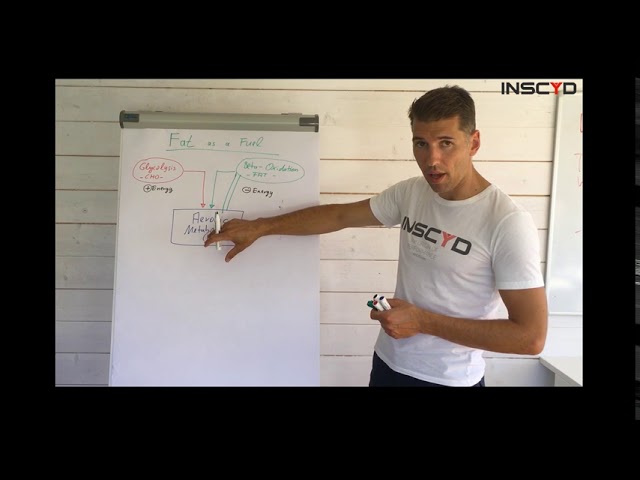

INSCYD's Sebastian Weber dives into FatMax and the impacts on athletic performance. Fat combustion is the amount of kilocalories being combusted at all intensities. It is critical for triathletes, cyclists and runners.
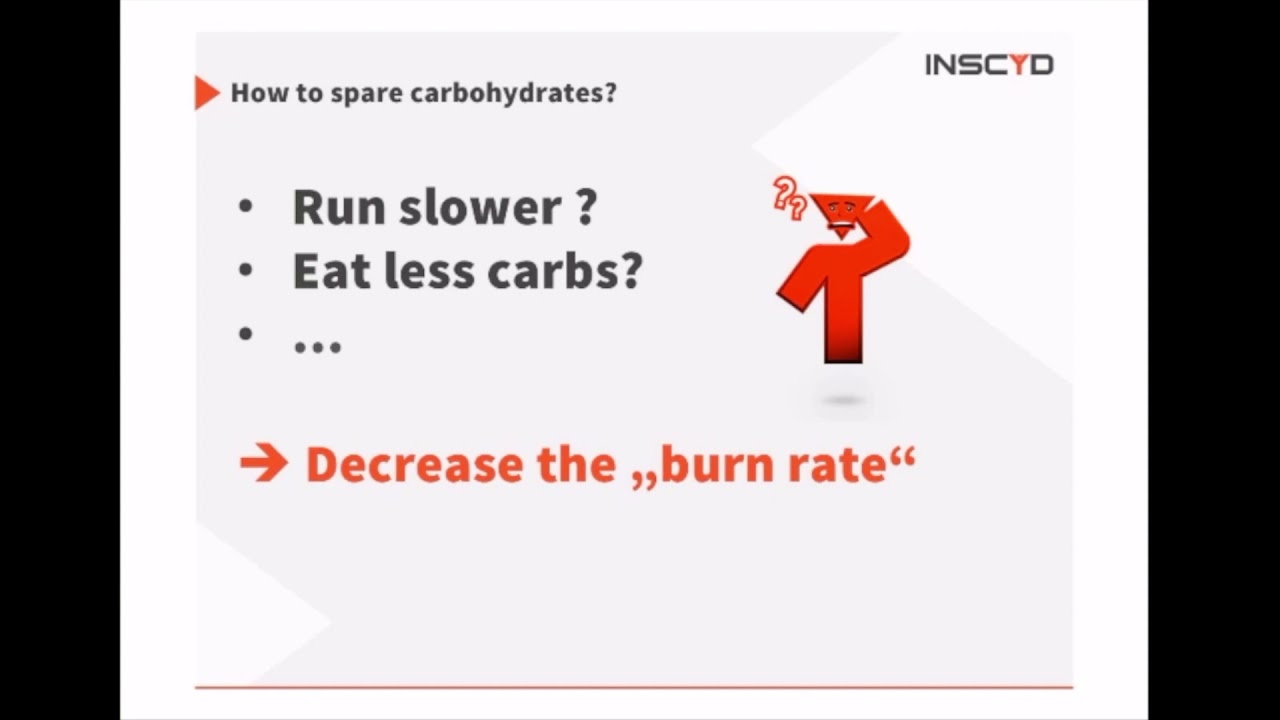
FatMax is the intensity at which the rate of fat combustion is highest. Above FatMax, fat combustion begins to decrease as carbohydrate combustion takes over. Below FatMax, fat combustion is also lower simply because total energy expenditure is lower.
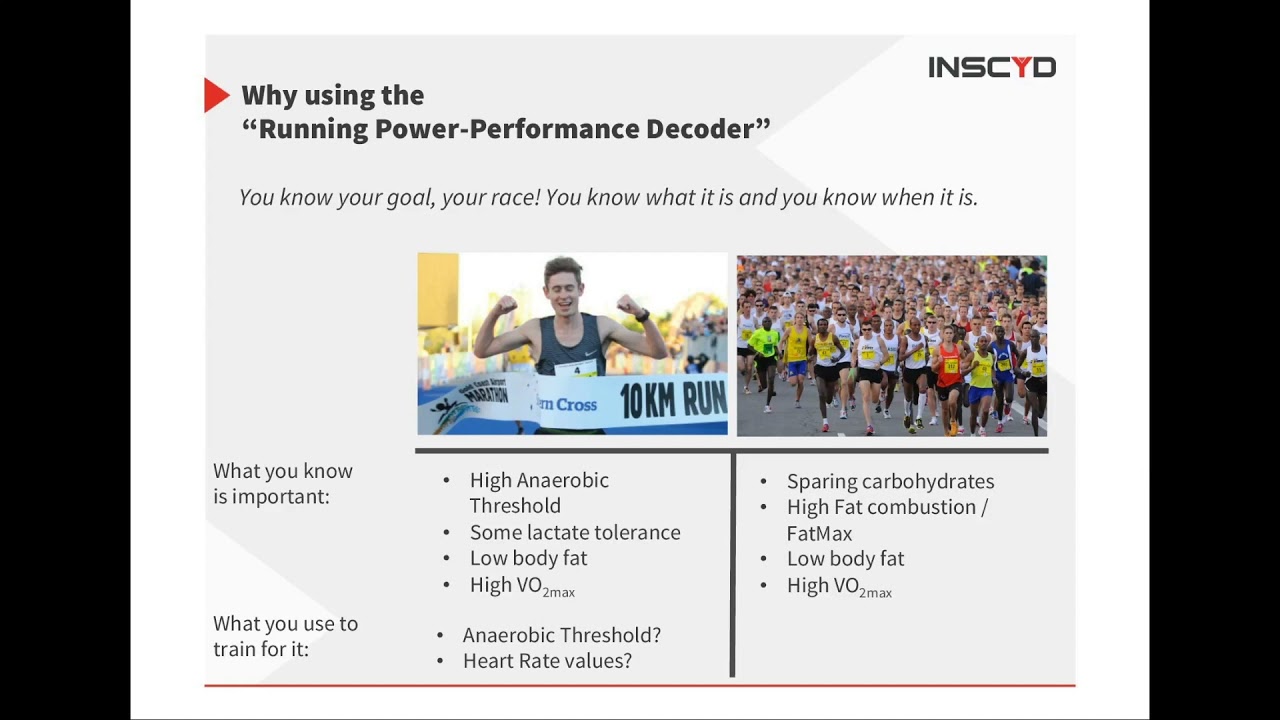
Training at or near FatMax is effective for improving fat oxidation capacity over time and for improving metabolic efficiency in endurance events where glycogen conservation is important. For long-distance triathletes and cyclists, FatMax training is particularly valuable because races are long enough that glycogen depletion becomes a limiting factor. Improving FatMax means the athlete can go faster at the same fat combustion rate, or burn less carbohydrate at the same speed or power output, effectively extending their race capacity.
FatMax can be determined precisely from the INSCYD metabolic profile and used to set accurate training zones for fat combustion optimization training.


![[Tutorial] Training Zone Builder Update](https://cdn.prod.website-files.com/69fb420749df096c7fb865ef/69fdf1e0d26c1f6fe0d4c945_maxresdefault.jpeg)



![[Tutorial] Virtual Test & Performance Projection: Compare Training Outcomes in INSCYD](https://cdn.prod.website-files.com/69fb420749df096c7fb865ef/69fdf1e2a6495029773d8211_maxresdefault.jpeg)


![Create Training Plans Like Top Coaches [5 Steps]](https://cdn.prod.website-files.com/69fb420749df096c7fb865ef/69fdf1e491172a8381d183ad_maxresdefault.jpeg)