Metric · FatMax

FatMax. The intensity of maximal fat utilization.

FatMax describes the exercise intensity at which the athlete reaches maximal fat oxidation (MFO), so basically the highest rate of fat combustion (in kcal or kJ) per minute or hour.

At intensities below FatMax, total energy demand is lower and therefore total calories from fat is lower. Above FatMax, carbohydrate contribution increases exponentially and fat oxidation eventually declines. FatMax therefore identifies the intensity at which absolute fat utilization reaches its maximum.

An intensity, not a rate: MFO is the maximal fat-oxidation rate, FatMax is the power or speed at which it occurs. Neither is LT1, VT1 or Zone 2.

Fat combustion, and the intensity where it peaks

fat combustioncarbohydrate combustionMFOFatMax
5210015020025030033803006009001200150001002003001673.04399.77kcal/hg/hMFO 459 kcal/hFatMax 186 W
The peak is MFO, the maximal rate; the intensity beneath it is FatMax. The concept and its protocol (Achten, Gleeson & Jeukendrup, 2002), its determinants and normative values (Maunder et al., 2018), and MFO measured in 1,121 athletes (Randell et al., 2017).

Trusted by the teams and federations behind the best in sport

From national federations and Olympic programmes to WorldTour teams and professional clubs worldwide.

FatMax and low-intensity training.

Training at or around FatMax has been shown to improve fat oxidation, body composition and cardiorespiratory fitness, particularly in populations with overweight or obesity.

Furthermore using fat as a fuel has a higher oxygen cost than carbohydrate oxidation. Consequently when relying more heavily on fat as a fuel provides a relative higher aerobic stimulus and therefore the potential for greater improvements in aerobic fitness and VO₂max.

If the goal of a low-intensity session is specifically to maximize fat utilization, reduce body fat and getting the best relative training for improving VO₂max, FatMax is the metric that directly defines that objective.

Where FatMax sits against LT1, VT1 and Zone 2

fat combustionFatMaxLT1VT1conventional Zone 2
52100150200250300338LT1VT1Zone 2FatMax03006009001200150001002003001673.04399.77kcal/hg/h
Intensity - power/speed
Athlete Athe family athlete, the capture verbatimFatMax 186 W sits inside a conventional Zone 2, 10 W below LT1.
Three athlete profiles: FatMax can fall inside a conventional Zone 2, below it, or above LT1, and the overlap is individual. Training at FatMax improved body weight, fat mass, body-fat percentage and VO₂max in overweight and obesity across 19 randomized trials (Jiang et al., 2026; Chávez-Guevara et al., 2020); FatMax and the aerobic-threshold markers can be strongly associated but do not coincide (Pühringer & Ring-Dimitriou, 2024; Chávez-Guevara et al., 2022). None of this makes FatMax universally superior to LT1 or Zone 2 for endurance training: it is the direct metric when the objective is maximal absolute fat utilization.

Conventional FatMax testing using a metabolic cart.

Conventionally, FatMax is determined during a graded exercise test: the subject gets connected up to a metabolic cart which measures oxygen uptake and carbon dioxide production, from which carbohydrate and fat oxidation are approximated.

However it is often overlooked that this kind of testing requires careful standardization of diet and acute nutrition. This is because carbohydrate availability, insulin and other hormones substantially affect the fat utilization measured via a metabolic cart.

The exercise protocol also matters: a minimum of five-minute increments or even longer should be used to acquire sufficient gas-exchange values. This rules out to measure accurate fat combustion rates and a valid VO₂max in the same test, as a VO₂max test requires short increment and quick exhaustion.

Accuracy of the metabolic cart is another critical issue: in real world conditions aka in human performance lab recent studies found absolute errors of up to 133% for calculated energy from fat.

A metabolic cart can measure FatMax, but the quality of the result depends on nutrition standardization, test protocol and the accuracy of the gas-analysis system, not simply on wearing a mask.
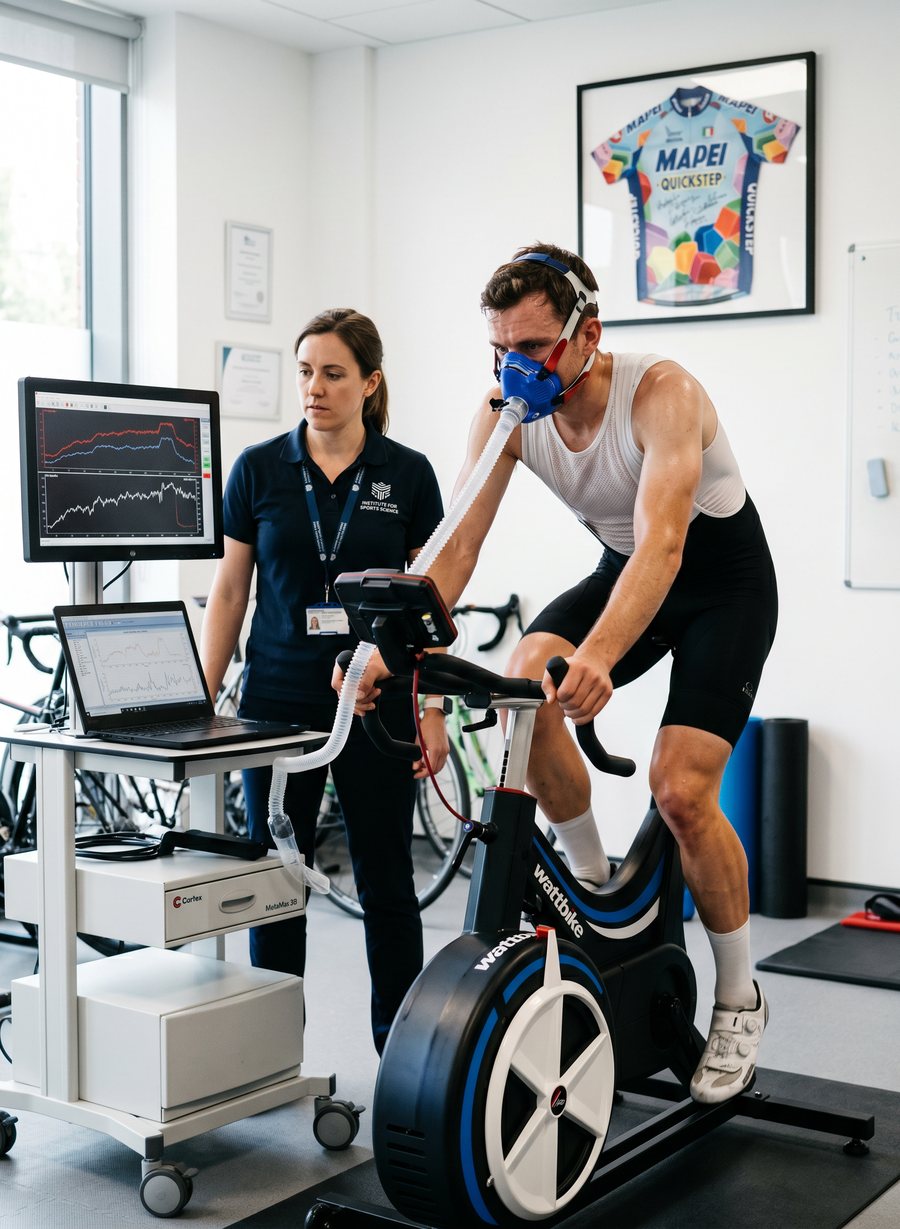
A conventional metabolic-cart test: athlete on a cycling ergometer wearing a metabolic mask connected to a gas analyzer
Calculated energy from fat5.13% – 133%absolute erroracross 15 CPET systems in simulator testing11 Van Hooren, Souren & Bongers, 2024
Fifteen metabolic carts measured the same simulated gas exchange: absolute errors of 5.13%–133% for calculated kcal from fat and 5.52%–99.0% for kcal from carbohydrate (Van Hooren, Souren & Bongers, 2024); 57 carts across 30 facilities showed substantial real-world variability in VO₂, VCO₂ and RER (Van Hooren et al., 2026). The original FatMax protocol used five-minute stages, and sedentary participants may need about six (Maunder et al., 2018); the substrate calculation itself rests on gas-exchange assumptions (Jeukendrup & Wallis, 2005).

FatMax with INSCYD, without requiring a metabolic cart.

INSCYD determines the athlete’s FatMax and complete fat-combustion curve from the very metabolic systems that shape substrate utilization. This means a metabolic cart is not required for a FatMax assessment, dramatically reducing the barrier of entry and cost for testing FatMax.

INSCYD combines load (speed or power), total energy demand, lactate data and the athlete’s metabolic profile to accurately calculate fat and carbohydrate utilization at any intensity. This allows FatMax to be integrated into remote testing as well as simple lactate field testing and laboratory testing rather than requiring a dedicated indirect-calorimetry protocol.

If respiratory-gas data are available, they can also be incorporated into the assessment.

The practical result: FatMax and the complete substrate-utilization profile can become part of the athlete’s existing assessment workflow, without making a metabolic cart or an extra exercise test a prerequisite.

Two workflows, one output

Conventionalmetabolic cart
Laboratory onlymetabolic cart and mask, a dedicated protocol with five-minute stages
Gas exchangeVO₂ and VCO₂ as the only input
Indirect calorimetryfat and carbohydrate oxidation approximated from the gases
FatMax
INSCYDany of three routes
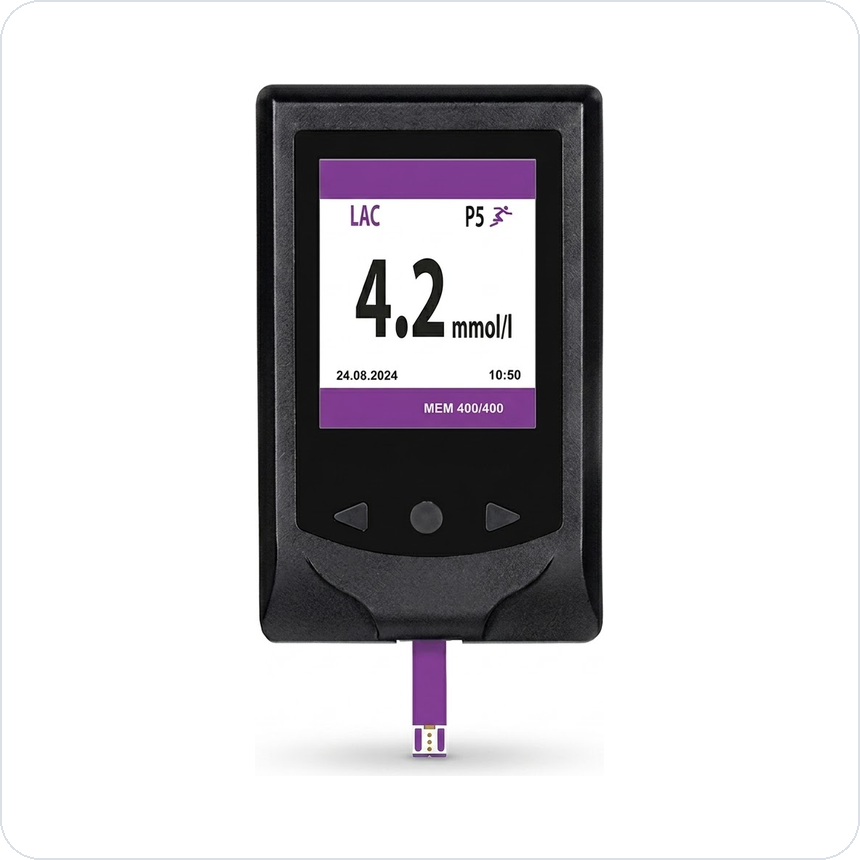
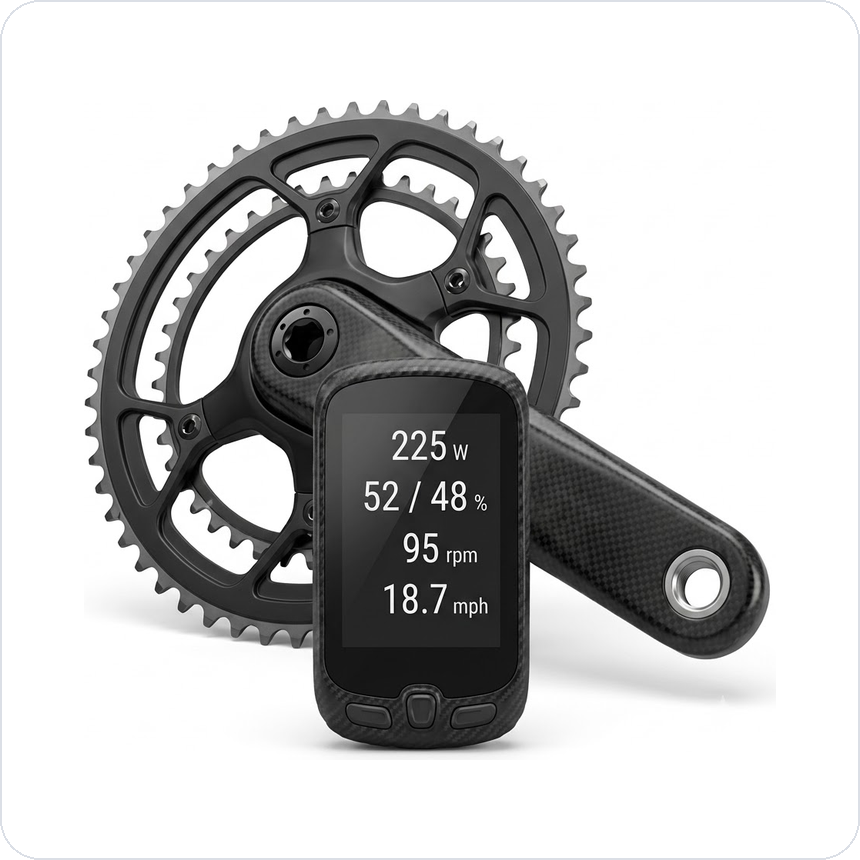
Load, energy demand, lactateand the athlete’s metabolic profile; gas data can be added
INSCYD metabolic modelthe substrate systems that shape fat and carbohydrate use
FatMax 186 WMFO 459 kcal/h
plus the complete fat and carbohydrate combustion curves
Remote testing on performance data, field testing with lactate, or laboratory testing with lactate and, optionally, gas exchange all converge on the same result: FatMax and the complete substrate-utilization profile. The physiological model behind it is the one validated against directly measured MLSS (Frontiers in Sports and Active Living, 2024) and used in published INSCYD research (Podlogar et al., 2022); gas data, where available, join the other inputs rather than carrying the assessment alone (Van Hooren, Souren & Bongers, 2024).
Every metric that matters

One assessment. The complete picture of your athlete’s physiology.

VO₂max, VLamax, FatMax, thresholds, fuel use and training zones, from a single test in the lab, in the field or fully remote.