Peer-Reviewed Foundations
All functions are based on peer-reviewed scientific publications, textbooks, and basic knowledge in natural sciences.

Welcome to the scientific core of INSCYD. Here, we’ll delve into the principles that make our platform the gold standard in physiological performance analytics. INSCYD is steeped in science, and we’re here to explain what that means.
Our physiological model is deterministic and interconnected, grounded in rigorous scientific research. This ensures the reliability and validity of the powerful insights we offer into human physiology.
All functions are based on peer-reviewed scientific publications, textbooks, and basic knowledge in natural sciences.
No AI or simple, non causational statistics on large samples of test cases are used to calculate the physiological metrics.
No feature is released without undergoing an internal or external verification process.
We support independent scientific research as a contribution to the sports science community.
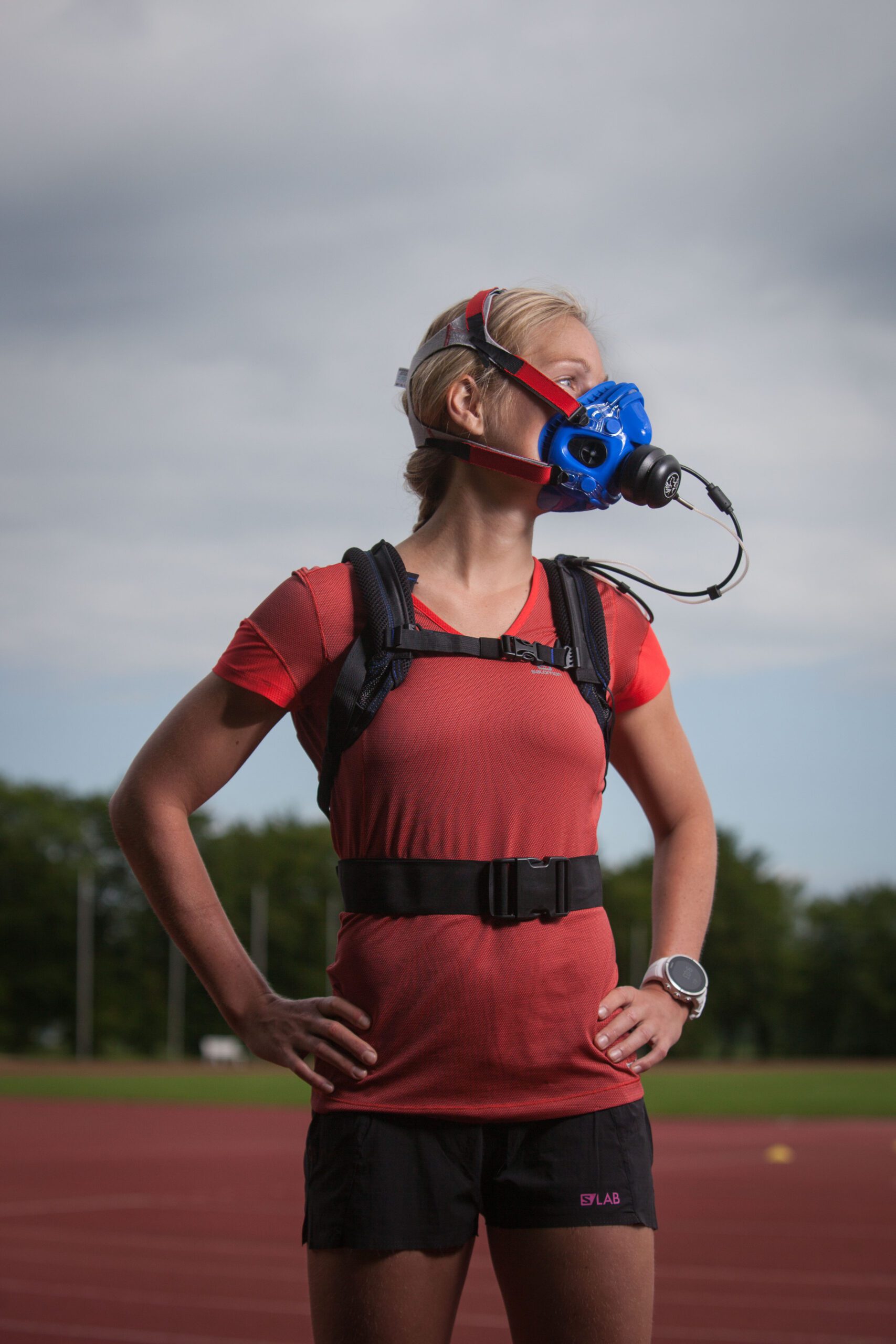
INSCYD employs mechanistic models grounded in the fundamental laws of natural sciences, including physical and biochemical principles. This ensures our physiological metrics are rooted in scientific accuracy. No AI or non causational statistical models are involved, making our approach purely deterministic. This level of scientific rigor sets us apart in the field of sports science, allowing us to provide unparalleled insights into human physiology and performance.
All metrics in INSCYD are interconnected, providing a holistic view of an athlete’s performance. When one parameter changes, the effect cascades through the entire model. For instance, an increase in body fat percentage would consequently affect muscle mass and therefore lower VO2max, among other metrics. This interconnectedness ensures data integrity and allows for a comprehensive understanding of performance variables.

CEO / Founder
“Every element of INSCYD is backed by rigorous scientific research. Each metric is grounded in peer-reviewed studies, interconnected, and rigorously tested to deliver maximum accuracy.”
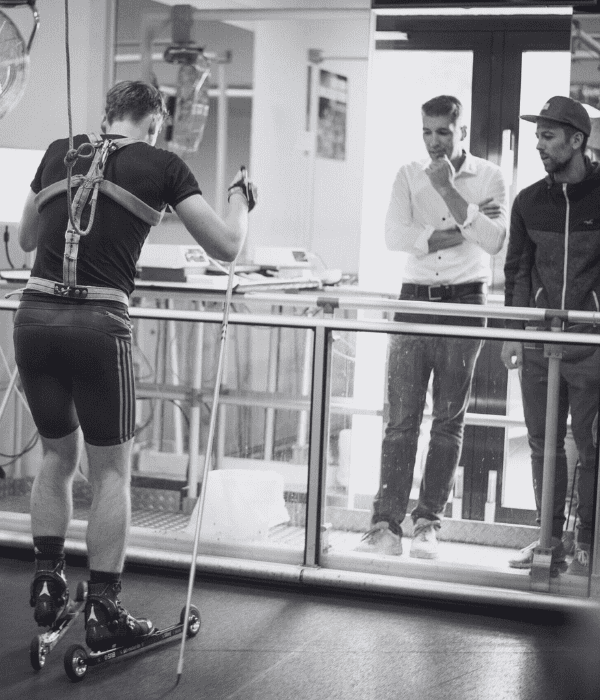
INSCYD’s commitment to scientific integrity is comprehensive, extending from our algorithms to rigorous testing. We compare our calculations to gold standards to ensure unparalleled accuracy. Before any feature is released, it undergoes a meticulous internal and / or external verification process to guarantee reliability and accuracy.
In fact, we have several features in the pipeline, awaiting the completion of our stringent verification protocols. This ensures that every metric we provide meets our high standards for accuracy and reliability, and nothing gets released without thorough testing.
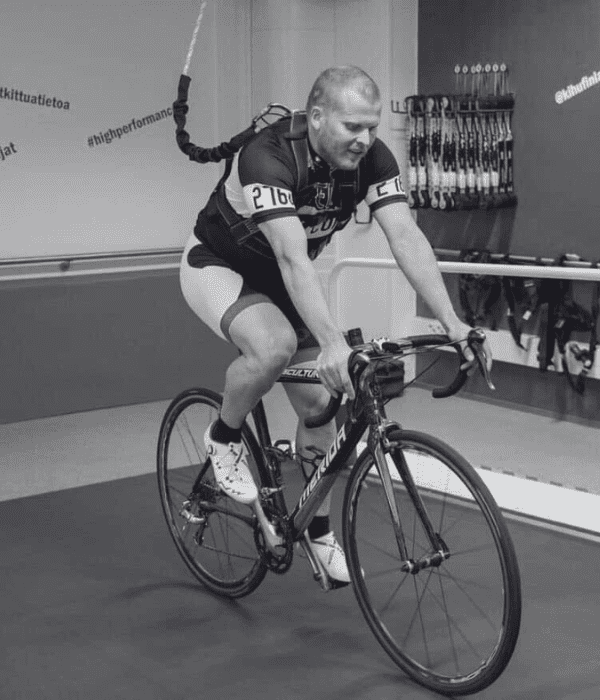
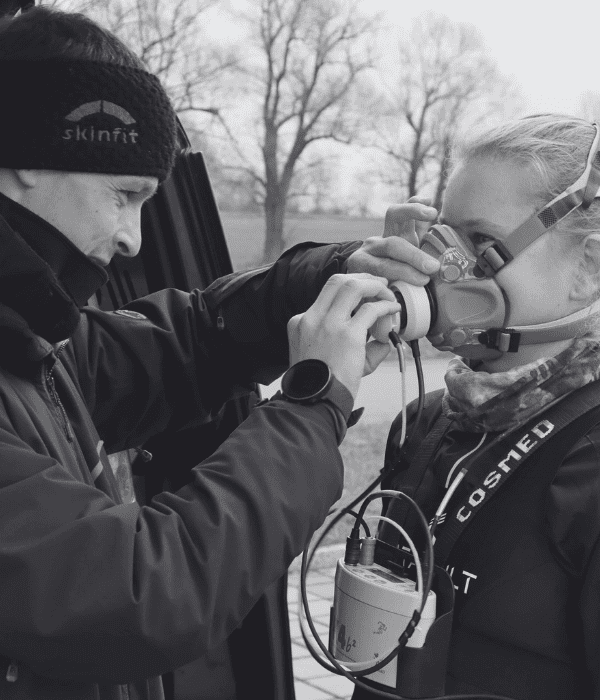
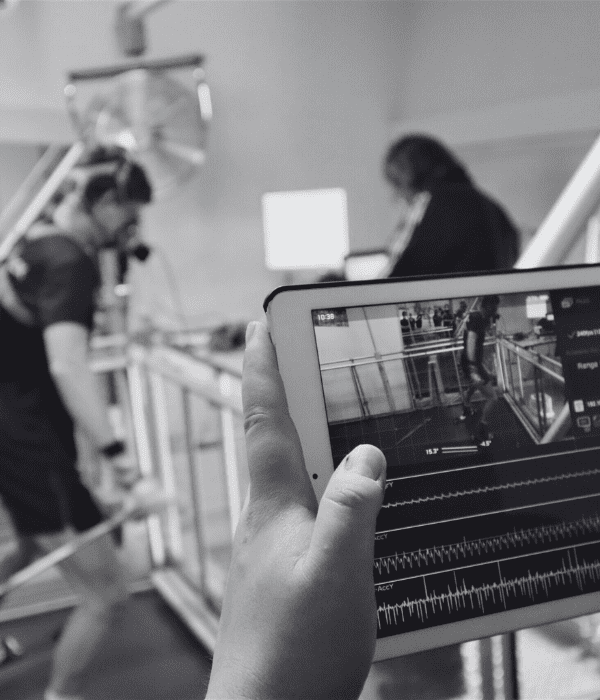
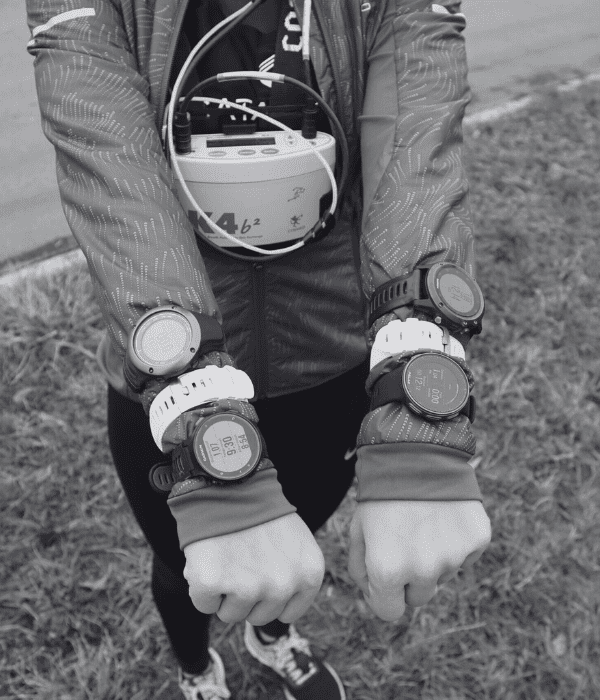


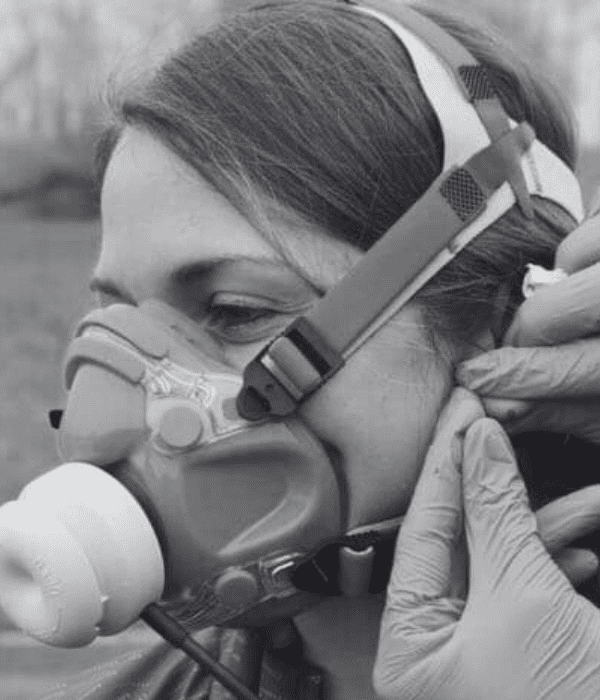
At INSCYD, our commitment to innovation is not just a tagline; it’s a core principle that drives every aspect of our work. We believe that the pursuit of scientific excellence is a never-ending journey. That’s why we invest in ongoing research and development, continually refining our algorithms and features to reflect the latest advancements in sports science.
Our in-house research team collaborates with external experts and institutions to conduct studies that push the boundaries of what’s possible in performance analytics. These studies serve as the foundation for new features and applications, ensuring that INSCYD remains at the cutting edge of the field.
In addition to our internal research, we actively support independent scientific research as a valuable contribution to the broader sports science community. We are integrating findings of a wide range of peer-reviewed papers, textbooks, and foundational knowledge in natural sciences into our platform. The result is a continually evolving, state-of-the-art physiological model that sets new standards in accuracy, reliability, and insight.
By fostering a culture of research and innovation, we aim to provide our users with tools that are not just effective but revolutionary, transforming the way athletes and coaches understand and optimize performance.

Head of Research
“INSCYD is not only an accurate tool for athlete monitoring, but also useful for educational purposes to increase insight in exercise metabolism and its effect on performance”
At INSCYD, we’re proud to be guided by a distinguished advisory board comprising experts from diverse fields within sports science. Our board members bring a wealth of knowledge, experience, and insights that help shape our approach and ensure we stay at the forefront of physiological performance analysis.

Sports Physiologist at the Canberra University (AUS)

Former Professor at the German Sports University in Cologne (GER)

Doctor/Professor of Medicine & Sports Science (USA)

Professor at the Institute for Sports Science in Hildesheim (GER)

Professor of Biomedical Engineering at Korea University College of Medicine (KOR)
INSCYD aims to make complex physiology easier to understand and apply. For example, we translate complex metrics like mol glucose into more accessible units like gram glucose.
No, INSCYD does not rely on AI or statistical models. Our model of human physiology is deterministic, meaning it’s based on established scientific principles rather than predictive algorithms.
INSCYD stands out for its commitment to scientific integrity, rigorous testing, and ongoing research. Our platform offers a deterministic and interconnected physiological model that originates from substantial scientific research, ensuring reliability, validity, and powerful insights into human physiology.
Data integrity is of utmost importance to us. The interconnectedness of our metrics ensures that a change in one parameter will logically and accurately affect other related metrics, allowing for a comprehensive and reliable dataset.
Harness the power of INSCYD’s scientifically-backed platform in your own studies. Dive deep into human physiology, explore interconnected metrics, and contribute to the next wave of sports science discoveries.
If you have questions, ideas, or are looking to collaborate on unique projects, we’re here to support and partner with you. Let’s advance sports science together.
Please fill out the form below with details about your research project. Our team will review your submission and contact you shortly.
Thank you. Our team will review your research inquiry and contact you shortly to discuss next steps.
Studies that validate the accuracy and reliability of INSCYD, as well as research that leverages INSCYD to uncover groundbreaking insights in the field.
 Read study
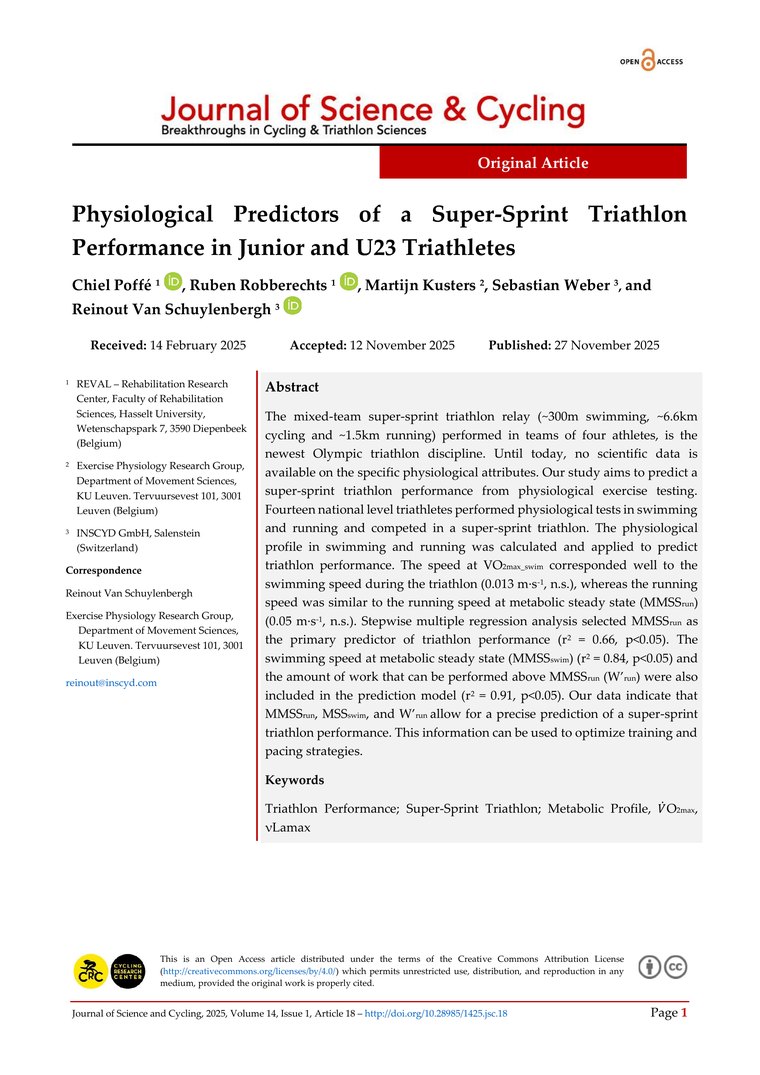
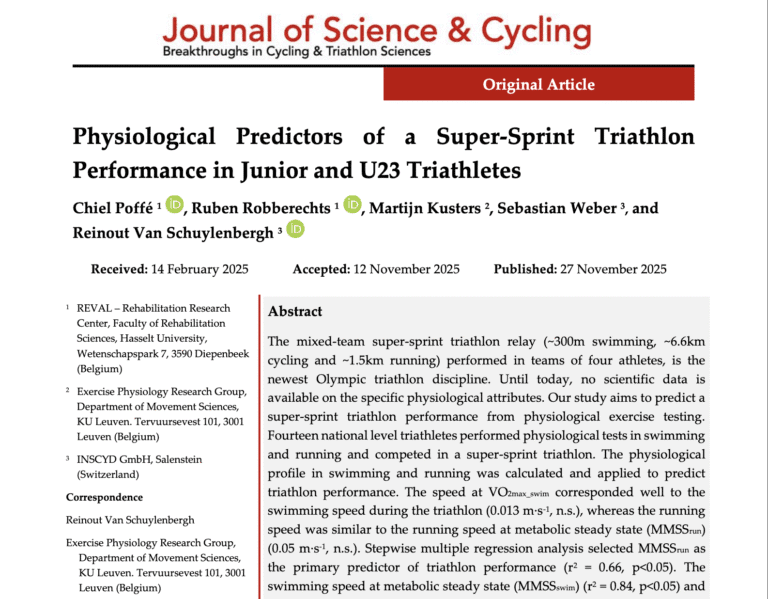
 The mixed-team super-sprint triathlon relay (~300m swimming, ~6.6km cycling and ~1.5km running) performed in teams of four athletes, is the newest Olympic triathlon discipline. Until today, no scientific data is available on the specific physiological attributes. Our study aims to predict a super-sprint triathlon performance from physiological exercise testing. Fourteen…
 Read study
 Three-week cycling Grand Tours (Giro d’Italia, Vuelta a Espagna, Tour de France) are one of the most physically demanding and iconic events in sports competition. Stages within the Grand Tours are classified into individual time trials, flat, semi-mountainous and mountain stages. The general classification in Grand Tours is typically won…
 Read study
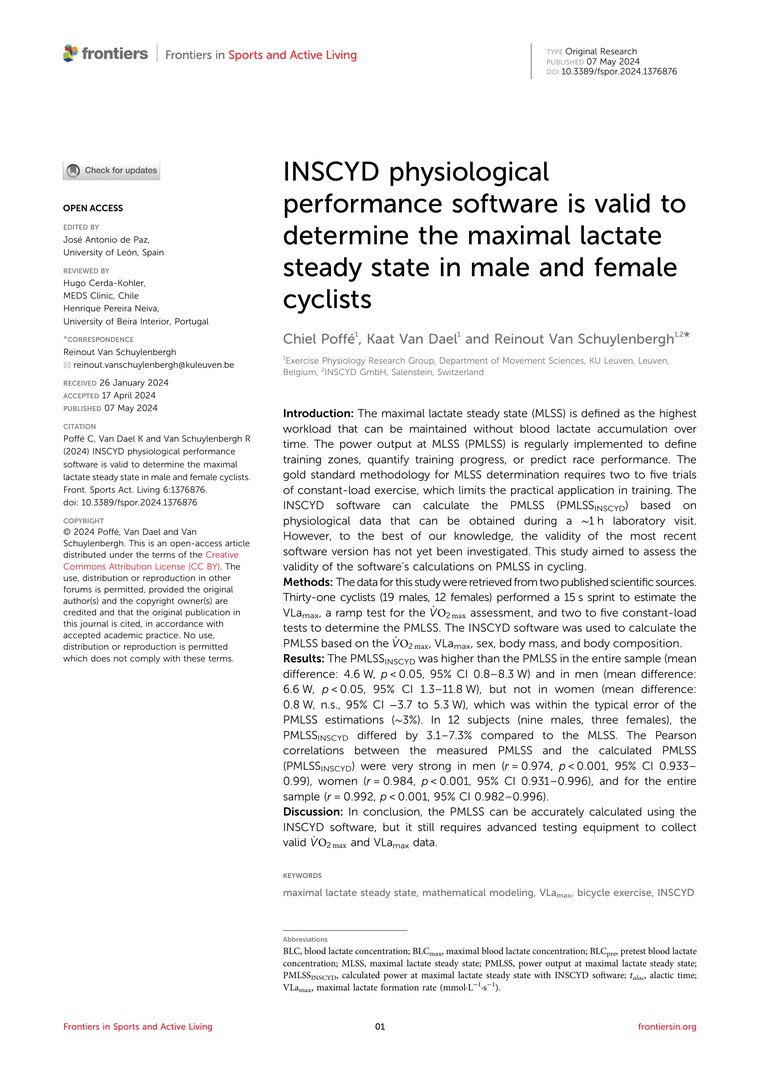
 The maximal lactate steady state (MLSS) is defined as the highest workload that can be maintained without blood lactate accumulation over time. The power output at MLSS (PMLSS) is regularly implemented to define training zones, quantify training progress, or predict race performance. The gold standard methodology for MLSS determination requires…
 Read study
 Scientific research on marathon performance has focused on aerobic metabolism. However, anaerobic metabolism cannot be neglected as for a given ̇V O2max, the lower the gly- colytic power (VLamax) the higher the metabolic steady-state performance (1–4) and the lower the carbohydrate combustion rate at a given speed (5). In contrast,…
 Read study
 High-intensity interval training (HIT) has been described as a training method that strongly stimulates the mechanisms of metabolic, neuromuscular and technical adaptations. Studies focusing on the effects of HIT in swimmers are rare despite its widespread use in practice. It is thought that HIT can powerfully stimulate the three energy…
 Read study
 Running in a triathlon, a so-called brick run, is uniquely influenced by accumulated load from its preceding disciplines. Crucially, however, and irrespective of race type, the demands of a triathlon always exceed the sum of its parts. Triathletes of all levels commonly report subjectively perceived incoordination within the initial stages…
 Read study
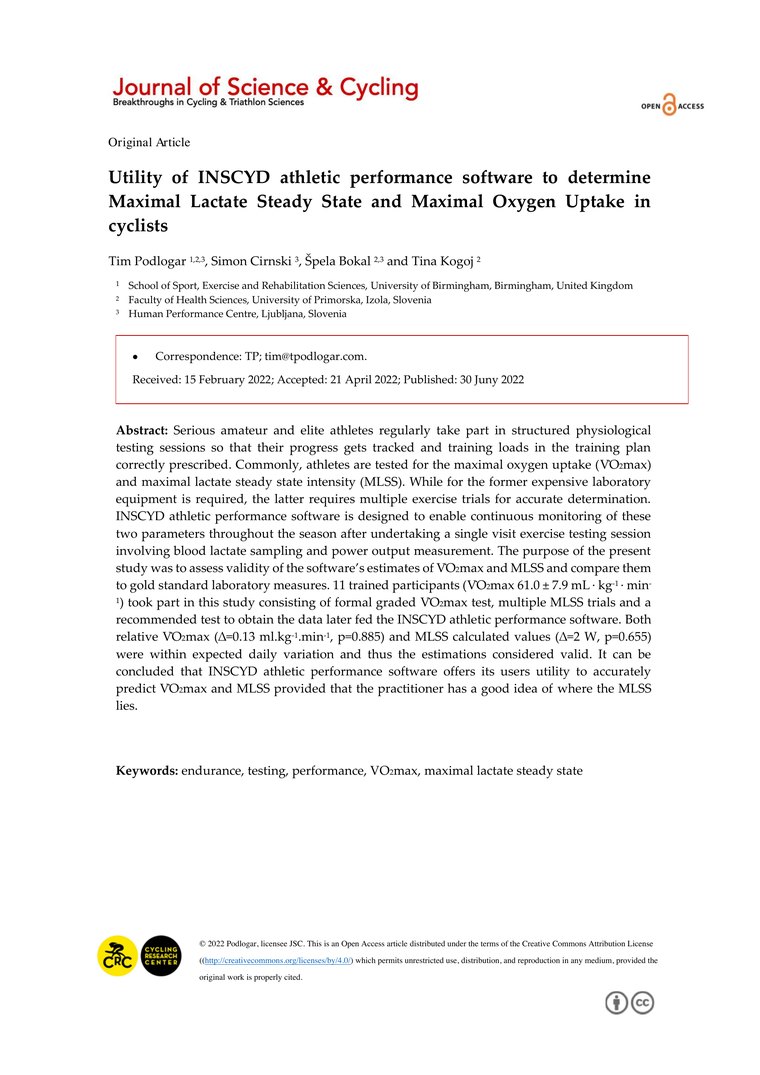
 Serious amateur and elite athletes regularly take part in structured physiological testing sessions so that their progress gets tracked and training loads in the training plan correctly prescribed. Commonly, athletes are tested for the maximal oxygen uptake (V̇O2max) and maximal lactate steady state intensity (MLSS). While for the former expensive…
 Read study
 This study evaluates the utility of anaerobic threshold (AT) and maximum carbohydrate (CHO) intake (CarbMax) for predicting intensity in long-distance triathlons. Using INSCYD diagnostic tests on 22 participants, the findings indicate that CarbMax and race performance CHO combustion (CHORP) are better estimators for optimal racing intensity than AT. Average CHO…
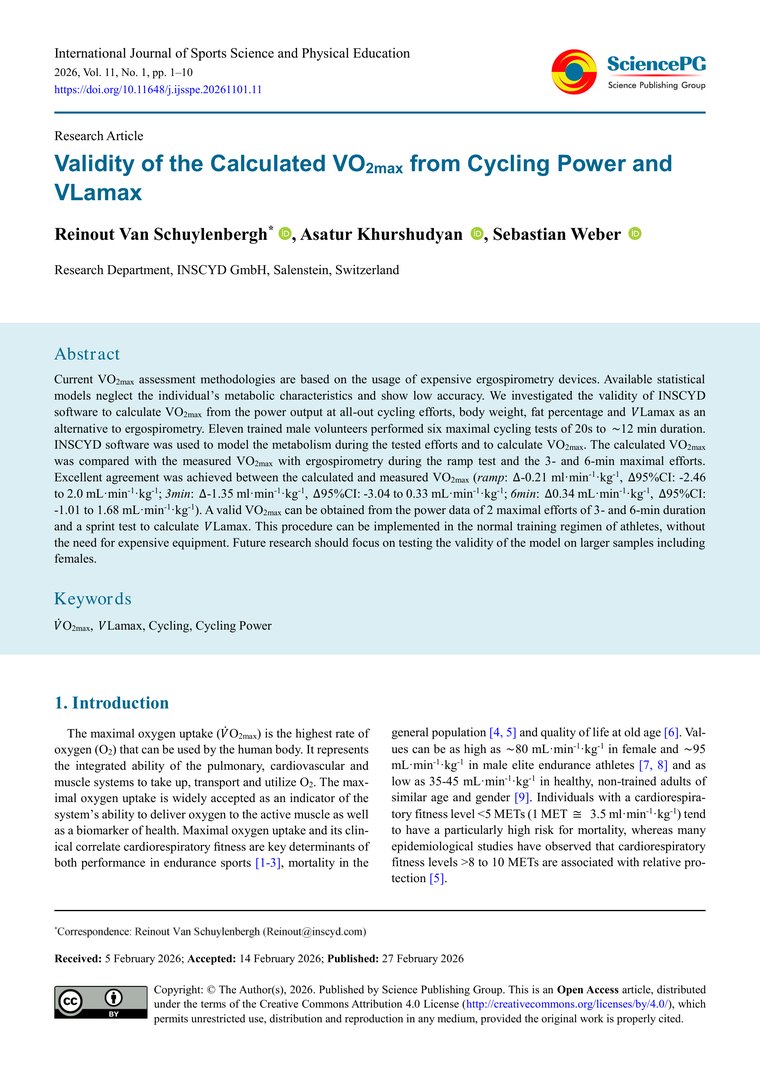
VO₂max, VLamax, FatMax, thresholds, fuel use and training zones, from a single test in the lab, in the field or fully remote.

