Jumbo Visma: Wout Van Aert talks INSCYD
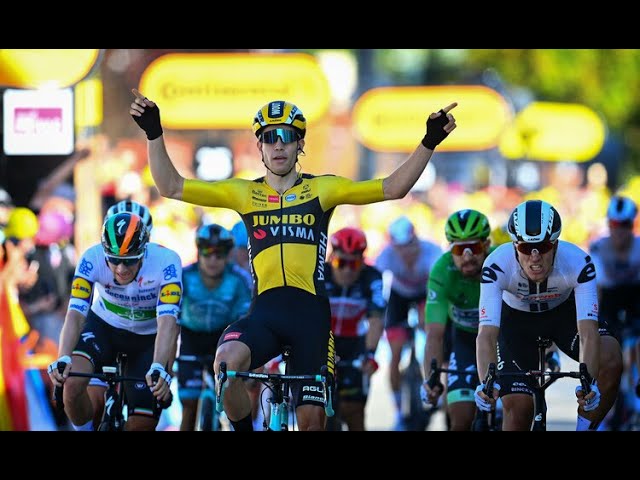
Wout Van Aert and Team Jumbo-Visma share how INSCYD's metabolic profiling shapes their training and racing strategy at the WorldTour level.
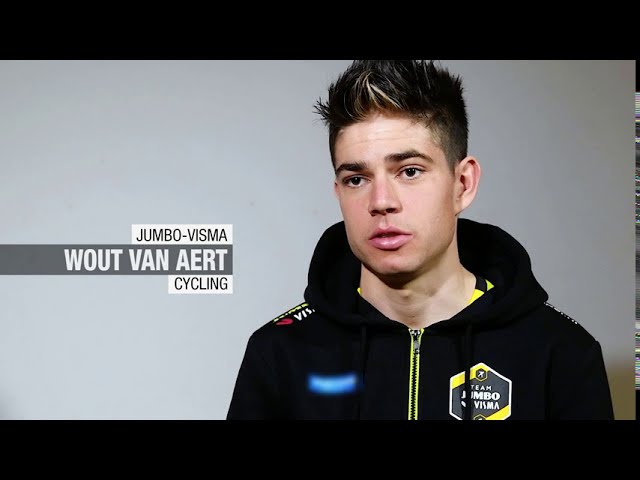

Wout Van Aert and Team Jumbo-Visma share how INSCYD's metabolic profiling shapes their training and racing strategy at the WorldTour level.
Testing for us is of course really important, to know how to train, especially talking about what I'm doing, so the combination between cyclocross and road racing. INSCYD helped me a lot to train on my FatMax zone. This is less important for cyclocross, and this is what we saw also in the INSCYD test, that it's not that my VLamax is not, it's a little bit too high. And afterwards we started training a lot more FatMax trainings, so that I will be able, in the longer classics, to keep my sugars for the final and not waste them already in the beginning.
Here in Spain for example I always do it uphill, and then it's four repetitions of 20 minutes during longer training. Always on, yeah, the power for me is approximately 350 watts, and I go three minutes on a high cadence, two minutes on low cadence, and repeat this until the 20 minutes are over. November we did the INSCYD test, and there my VLamax was a bit too high. And it turns out that, yeah, my peak performance was pretty good, that somehow during the races I was not able to follow the high intensity for longer than a few laps, so I always have to slow down to recover a little bit.
So the design of the test said that this was necessary to bring down the VLamax a little bit more, so I was able to ride at a higher pace for longer time. It really helped to get a clear origin of the problem, let's say. So yeah, it showed me and my trainer where we need to work on, and this really helped us a lot.
![[Tutorial] Training Zone Builder Update](https://cdn.prod.website-files.com/69fb420749df096c7fb865ef/69fdf1e0d26c1f6fe0d4c945_maxresdefault.jpeg)

![[Tutorial] Virtual Test & Performance Projection: Compare Training Outcomes in INSCYD](https://cdn.prod.website-files.com/69fb420749df096c7fb865ef/69fdf1e2a6495029773d8211_maxresdefault.jpeg)


![Create Training Plans Like Top Coaches [5 Steps]](https://cdn.prod.website-files.com/69fb420749df096c7fb865ef/69fdf1e491172a8381d183ad_maxresdefault.jpeg)