USA Triathlon Project Podium's Insights: Innovative Training Strategies - Parker Spencer Interview
Join Parker Spencer, the head coach of USA Triathlon Project Podium, as he unveils the groundbreaking strategy propelling young athletes towards Olympic glory. Discover how INSCYD's cutting-edge sport science and metabolic profiling are shaping the future of triathlon training all the way
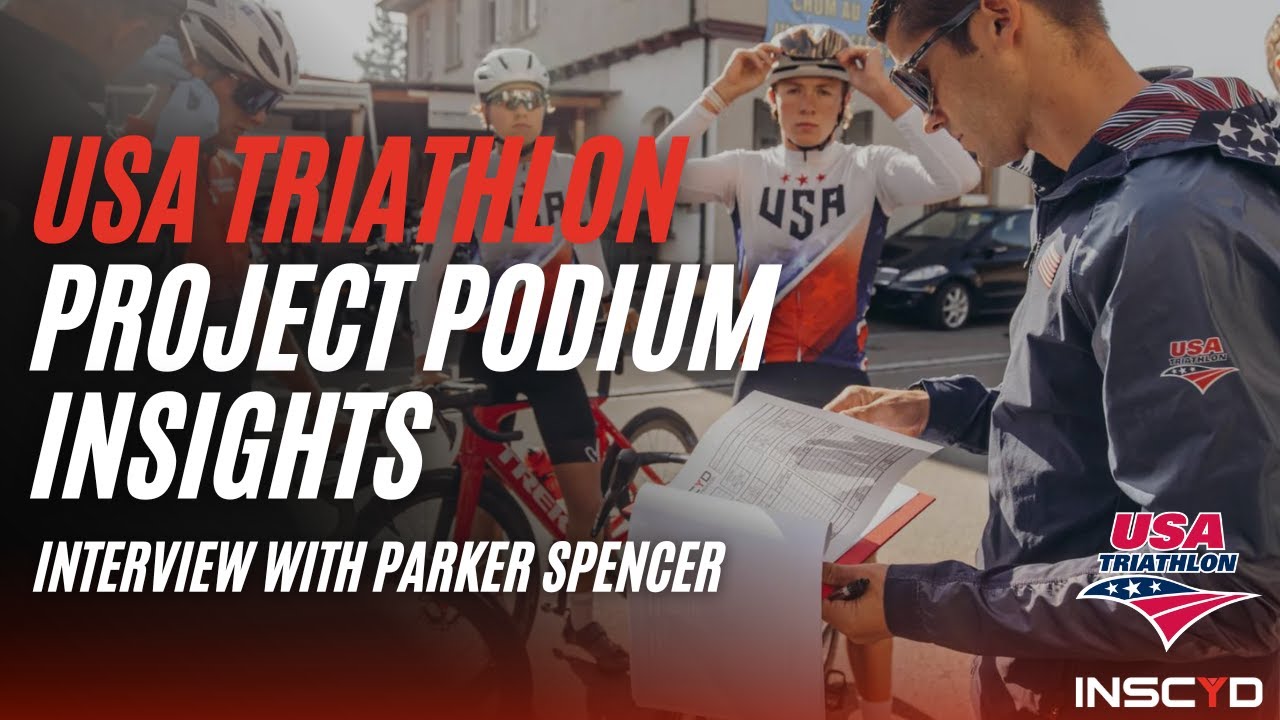

Join Parker Spencer, the head coach of USA Triathlon Project Podium, as he unveils the groundbreaking strategy propelling young athletes towards Olympic glory. Discover how INSCYD's cutting-edge sport science and metabolic profiling are shaping the future of triathlon training all the way to the 2028 LA Olympics.
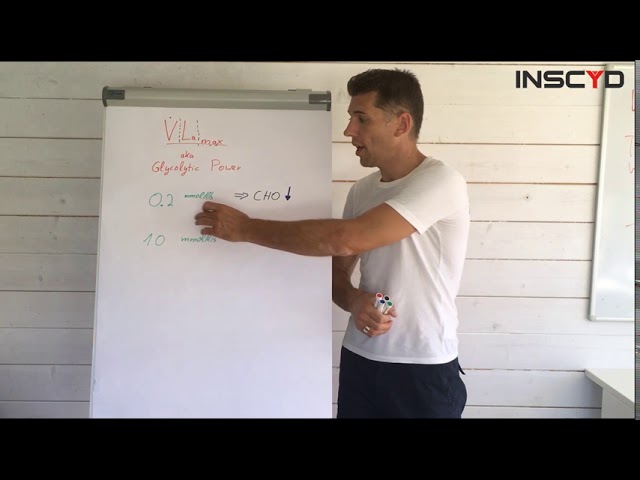
In this exclusive video, delve into the core of elite athletic performance: 🚴♂️ Fueling Strategies: Learn how mastering carb and fat combustion can break barriers in endurance sports. 🏊♂️ VO2max & VLamax Insights: Understand the pivotal role of these metrics in crafting a champion. 🏃♂️ Tailored Training: Explore how INSCYD's precision analytics enable personalized training, ensuring every stroke, pedal, and step drives athletes towards their peak. 📊 Data-Driven Decisions: Witness the transformation in training as data and science replace guesswork, fostering confidence and belief in athletes and coaches alike.
Parker Spencer shares his journey, choosing INSCYD over a PhD, and how this decision is redefining coaching and athlete development. Whether you're an aspiring athlete, a dedicated coach, or a sports enthusiast, this video is your gateway to understanding the nexus of technology and human potential.
👉 Book a free INSCYD demo today - https://bit.ly/3pLHjWq 👉 Read the story for in-depth insights - https://bit.ly/3SmeKJG
👉 Dive deeper into the science of peak performance and explore how INSCYD is revolutionizing triathlon training.
Don't forget to like, subscribe, and share this video with your fellow triathlon community!
🔔 Subscribe: https://bit.ly/43MK9bP 🌐 Visit our website: https://inscyd.com/ 🎓 Join INSCYD College: https://inscyd.com/college/ 📸 Follow us on Instagram: https://bit.ly/3Y5ZQK6 👍 Like us on Facebook: https://bit.ly/3Ybwbz9 🐦 Follow us on Twitter: https://bit.ly/3DsGBkn 🔗 Connect with us on LinkedIn: https://bit.ly/3rOsfbn
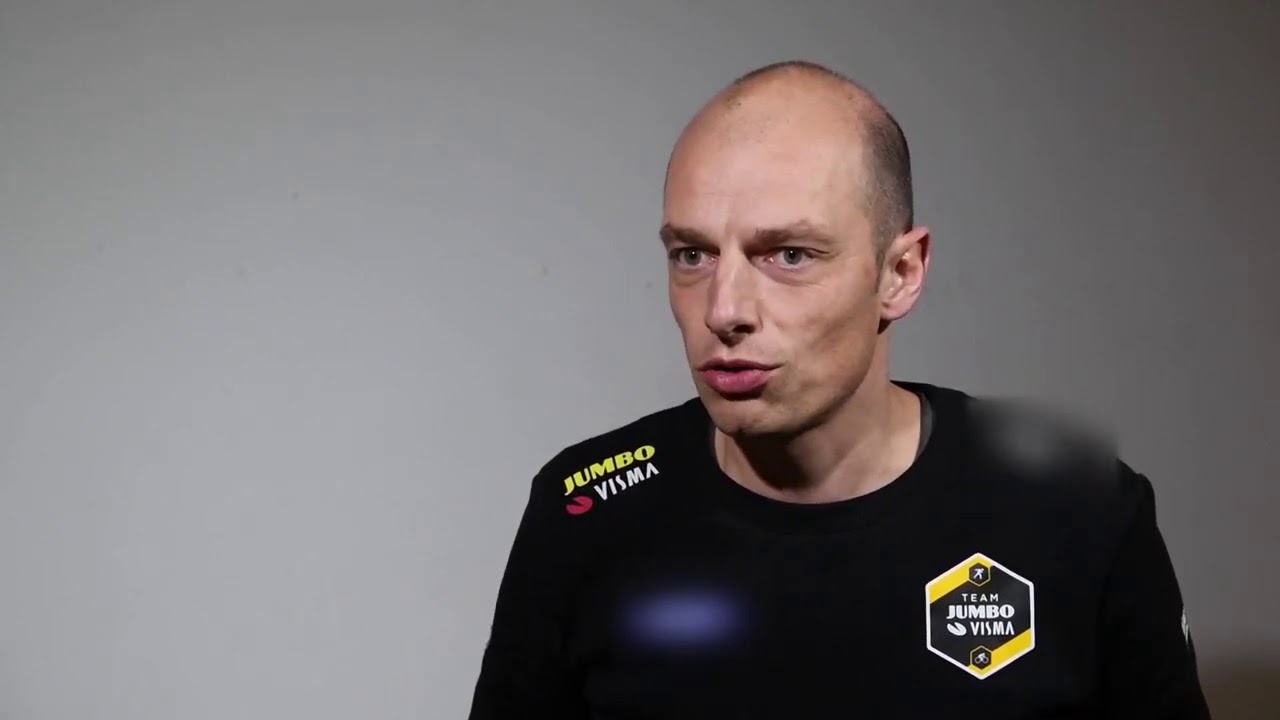
My name is Parker Spencer. I'm the head coach of USA Triathlon's Project Podium. Project Podium exists to keep our best young male athletes in the sport of triathlon out of high school. End goal of the program is for athletes to be on the podium in the 2028 Olympics, which is our home Olympics in LA. And we really look at that as not a finish line, but really a starting point to where we really want triathlon to go in the several years, but really like the last decade.
Sports science has really taken a leap and bounds over where it's been before and it's been a key indicator of where some of the most elite performances through all different sports have come from. If you're not on the forefront of technology and exercise science, then you're going to get left behind and your athletes aren't going to be nearly as successful as other countries and teams that are doing it really well. We've done lab testing in the past and use that data.
I have a background in sport science and have a bachelor's degree and a master's degree in exercise science, but I still want to make sure that what I'm doing is the most scientific and the most latest science. Earlier this year, I had gotten accepted into a PhD program and decided that I would either go into my PhD or I'd go all in on something like INSCYD. And so I started researching who's doing sport science better than anybody else.
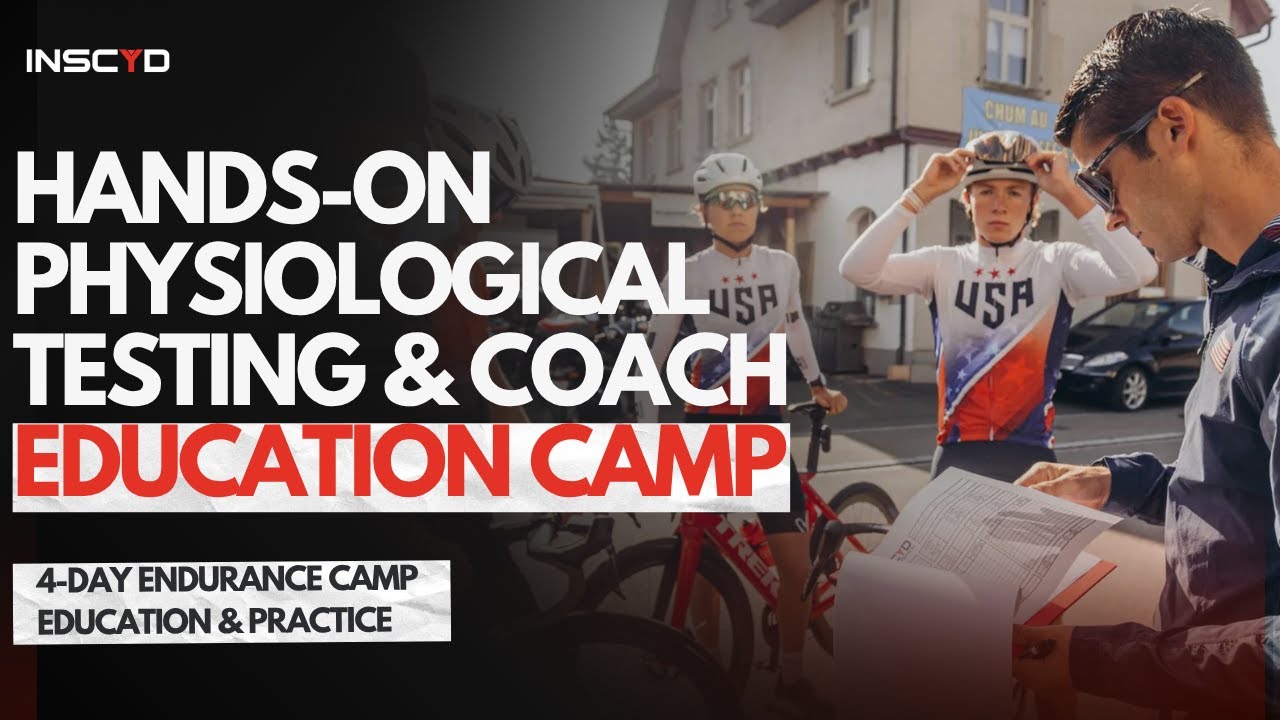
Who is the leader when it comes to understanding exercise physiology as it relates to swim, bike, and run. And through all my research, INSCYD just kept popping up over and over and over again. And here we are 6 months later in Switzerland doing a team camp. Yeah. So, we started using INSCYD at the beginning of the summer. We did some testing with it and then also had opportunity to have Greg come out and do some testing with me in Park City.
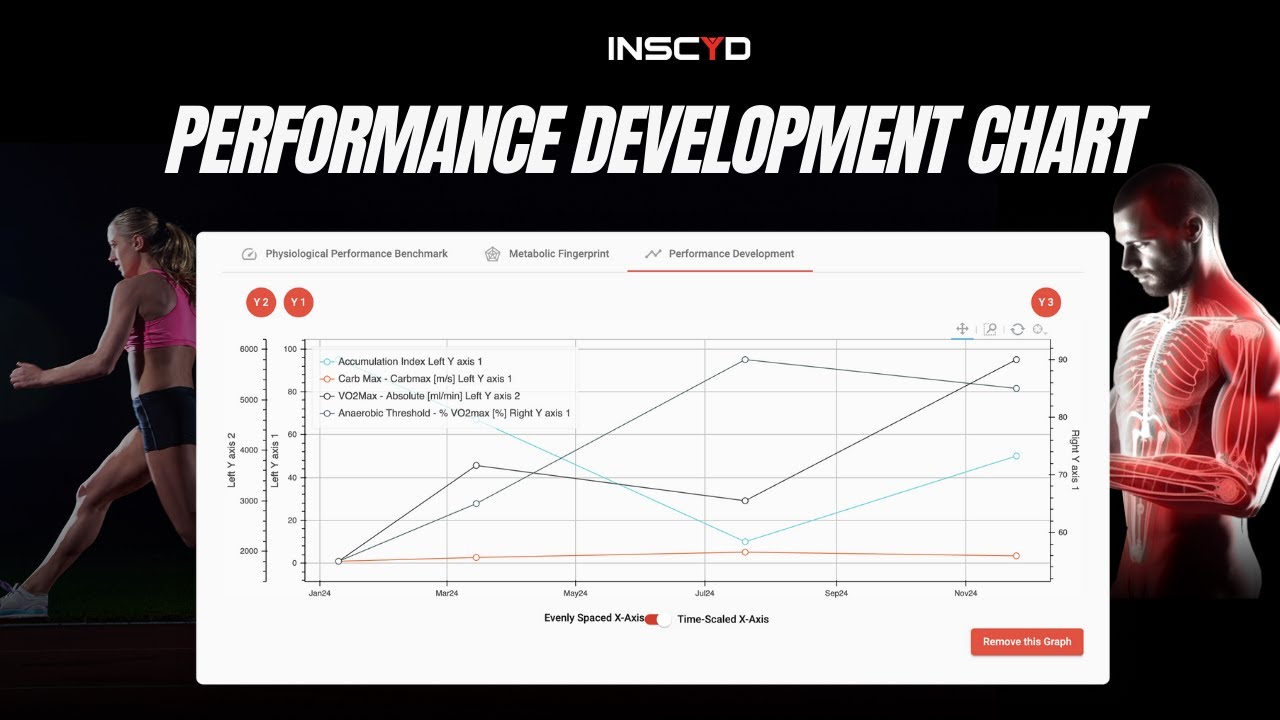
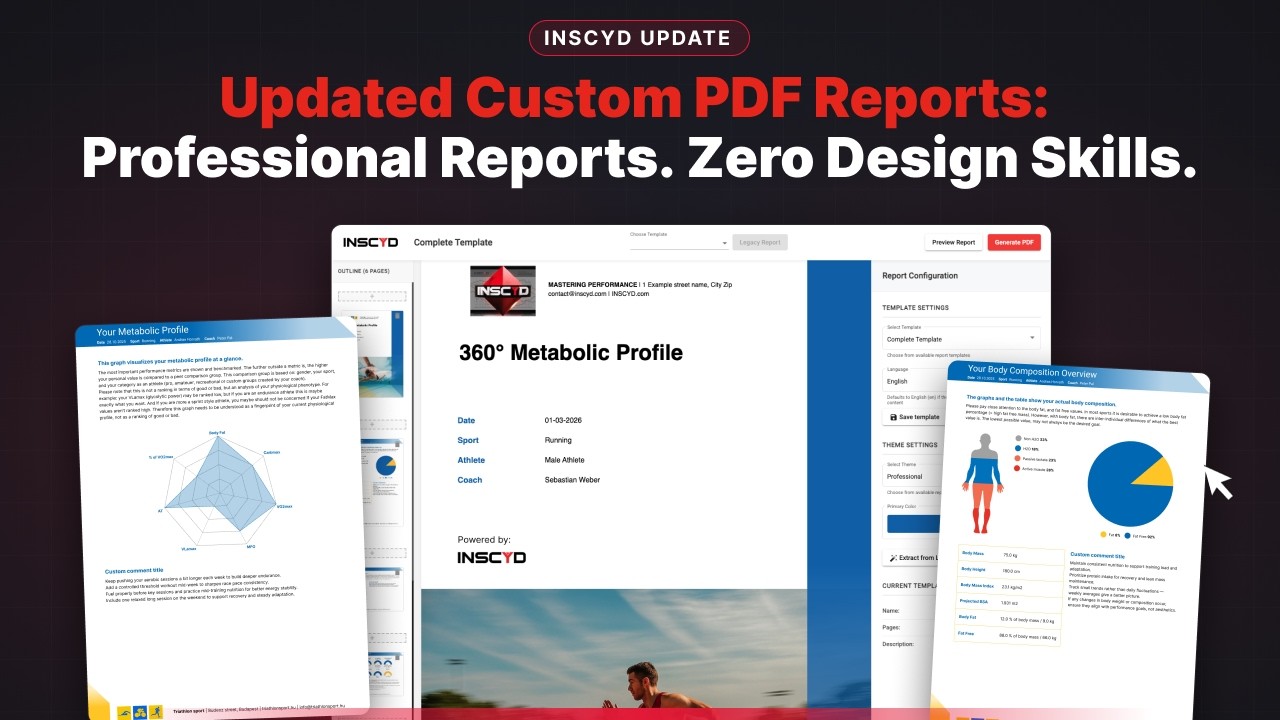
And then several months later, retesting everybody, seeing where the improvements have been. And it's, pretty significant where we've really focused our attention on what needed improvement from the last time that we tested. And then retesting today, you can see where that improvements actually happened and that the training is actually working. I can get a complete metabolic profile for an athlete and know not just what I need to do this season, this month, like this next training block. But it helps give me a really clear understanding of where we want to head over the next 5 years, from 2023 to 2028.
Basically, what we're doing is we're working from the 2028 Olympics backwards. And it's pretty easy to use this software, and the information that you get from it, to understand what you need to do for improvement on the short term. But also how I need to plan things out for not just this year and this season, but years to come. So, as from a coaching standpoint, that's really important. But I think what this does more than anything is it also helps create belief in what the athletes are doing in their training.
That when they can actually see just straight from the data and this is whether you're a professional athlete or an amateur athlete and they can see very clearly that the numbers improve. Then it also creates belief which is probably the most powerful thing when it comes to training and confidence going into your next competition. The labs that we've worked with in the US are exceptional. Like they're great people with extremely good equipment and technology.
But what I want to make sure is that I don't have to take my athletes to a lab multiple times a year, make the trip. And take the time away from our own training environment to do that. What INSCYD allows you to do is consistently check and to make sure that what we're doing in training is actually working and moving the needle in the right direction. And that's why I wanted to start using this to begin with.
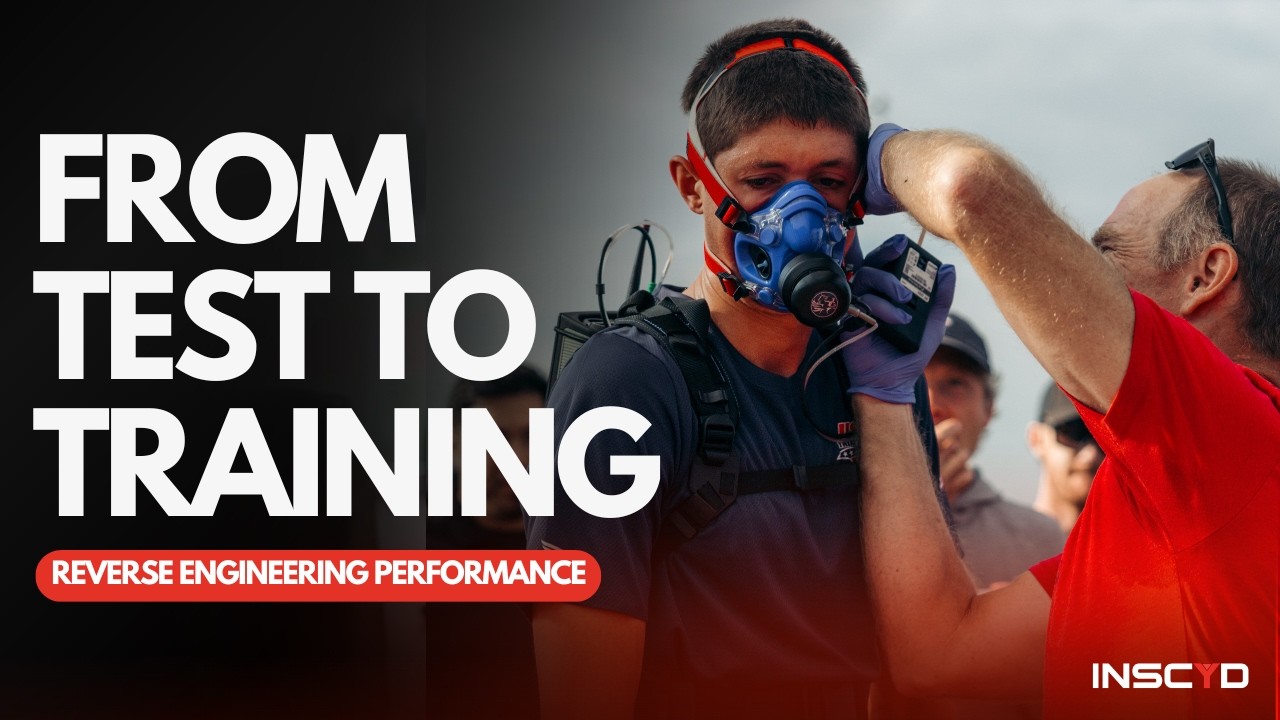
I wanted to have something in person every day that anytime I wanted to, I could test an athlete. You don't need an exercise science lab to do any of this. But INSCYD also works with labs and you can do these protocols in a lab if you wanted to and get the data that you need by just plugging it into the software and then it spits out a report. Majority of what I do on a daily basis is work with elite athletes.
I also own a company called the Podium Coaching Group and we have nine coaches and a handful of athletes. Between those nine coaches and the majority of them are amateur athletes. INSCYD is not just for elite athletes. It's also for amateur athletes. And the reason why is because there's three main components that I feel like I get from the INSCYD software and the INSCYD testing. And that's where an athletes VO2max is, where their VA max is, and where their economy is.
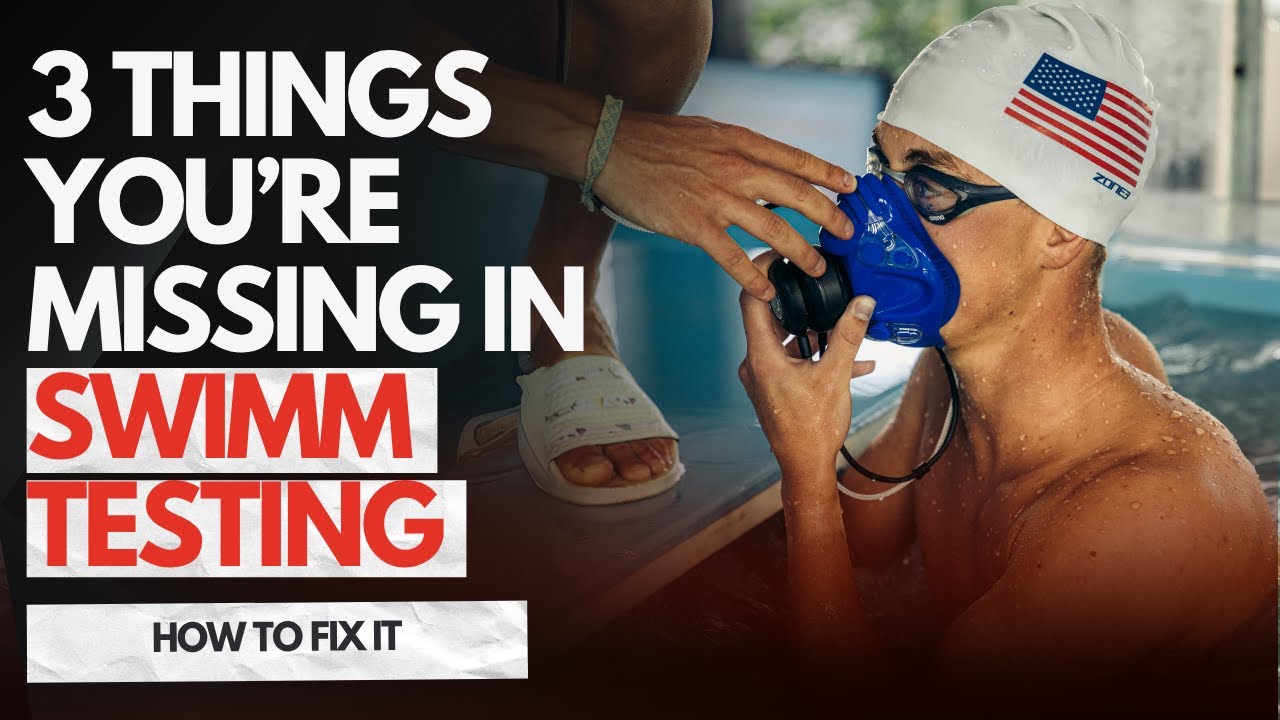
Looking at those three aspects really helps you understand where you need to focus your attention, whether that's someone who's trying to reach the top step in an Olympic Games, or someone who's trying to compete in their first triathlon and finish and have a good experience with that. So, for example, if we do swim economy testing and I can determine if someone's fitness is what's holding them back or if their technique is holding them back pretty easily.
And in swimming, technique has a whole lot to do with it, like even much more than it comes to fitness. And the reason why I say that it's like the density of water is 900 times the density of air. So, how you move yourself through the water and the technique you use to do that is so much more important than the other two sports. I think athletes, especially when they are working every single day to complete a certain goal, at the end of the day, they just want to see what their own potential is. And they want to try to see how good they can actually get in the sport.
And with that, it also makes sure that they're doing the right thing. And sometimes, like when an athletes training, they may not actually know if the training is working until they actually go to the competition and then get the result or don't get the result that they want. When you start using data and you start using the information that you get from the testing from INSCYD, it's very black and white. There was improvement or there wasn't improvement.
But it also helps me as the coach point to where we need to focus our attention. And I think once athletes go through this testing then it does help create belief cuz they do understand that wow I'm doing something that maybe a lot of other athletes aren't or I get to use science to guide my daily training. There's a lot of programs and a lot of coaches out there that just do what they've always done because they feel like it works. But if you're not focusing on where science and where the sport and all of that is leading, then you're going to get left behind.
And I think that's I think INSCYD is very innovative. It's one of the most innovative things in sports science that I've found in recent years. Being able to use the software and the athletes seeing their metabolic profile, it really makes a big difference at the end of the day. On a daily basis, I'm coaching a basically a group program, but a key is individual performance. So you focus on the individual and you use the team aspect just to enhance the training for the individual but you shouldn't use the group environment at the detriment of individual performance.
What INSCYD has allowed us to do is test all the athletes in the program and group them together in each of the three sports on what area they need to improve. And so we may go to the track, we may go to the pool with 10 athletes and there are three different workouts happening during the same session. So I think it has helped team camaraderie too, because athletes are focused on improving together. And they know, like, one area that they may be lacking, their teammates are also lacking in as well. But then they also can see a teammate who is exceptional in one area, and that athlete can help bring them up to the level that they need to be.
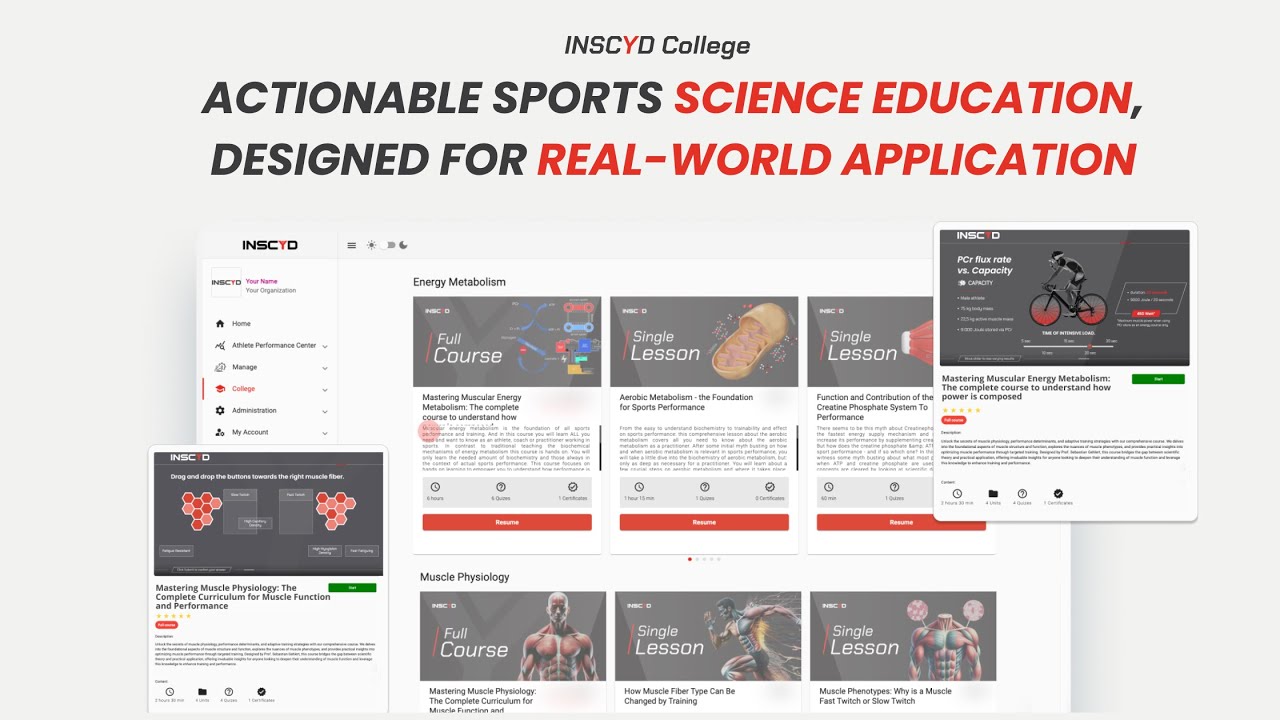
One of the great things that comes with once you start using INSCYD is there's also what they call INSCYD University and they've put together a really good coach platform that you go through do some courses helps you really understand it. It's it's been super insightful and even when I'm stuck on airplanes heading back and forth between different competition, it's really easy for me to open up my computer and just go through some of those courses to get a deeper understanding of everything.
And then I have some athletes that have the personality where if I just tell them what to do, they're going to do it and not think twice about it. And then there's other athletes that just their personality is to they're very analytical. They want to understand the science and they get excited about it. And so being able to help those athletes also give them access to go through the university piece of all of it is also super helpful.
And like I said previously, I had the choice of focus my attention on INSCYD or do I get a PhD to help me coach my athletes better? Like I think that obviously there's value in getting another diploma, especially when it comes to a PhD, but when it comes to my athletes actually performing better, I think all that time and energy spent on INSCYD is a whole lot better. I would recommend INSCYD to anybody like any coach, any program.
Once we got set up, the onboarding was really straightforward. They helped me get set up with everything that I needed. Give me information on if I needed to purchase any additional equipment or if I had everything that I needed. Pretty easy to implement and recreate time after time after time.
![[Tutorial] Training Zone Builder Update](https://cdn.prod.website-files.com/69fb420749df096c7fb865ef/69fdf1e0d26c1f6fe0d4c945_maxresdefault.jpeg)
![[Tutorial] Virtual Test & Performance Projection: Compare Training Outcomes in INSCYD](https://cdn.prod.website-files.com/69fb420749df096c7fb865ef/69fdf1e2a6495029773d8211_maxresdefault.jpeg)
![Create Training Plans Like Top Coaches [5 Steps]](https://cdn.prod.website-files.com/69fb420749df096c7fb865ef/69fdf1e491172a8381d183ad_maxresdefault.jpeg)