Lactate Clearance Explained: How to Recover Faster & Improve Performance
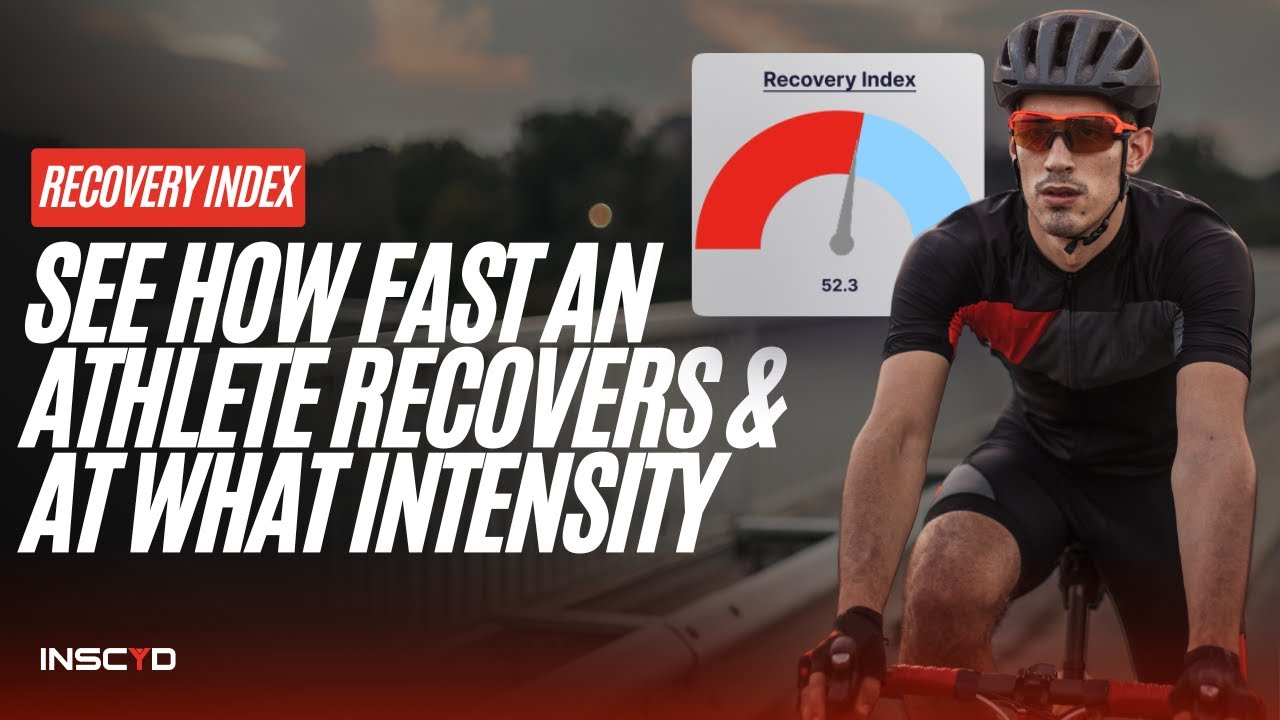
📌 How can athletes clear lactate faster and recover between intervals? Understanding how to clear lactate effectively can boost endurance, improve recovery, and enhance performance in endurance sports.
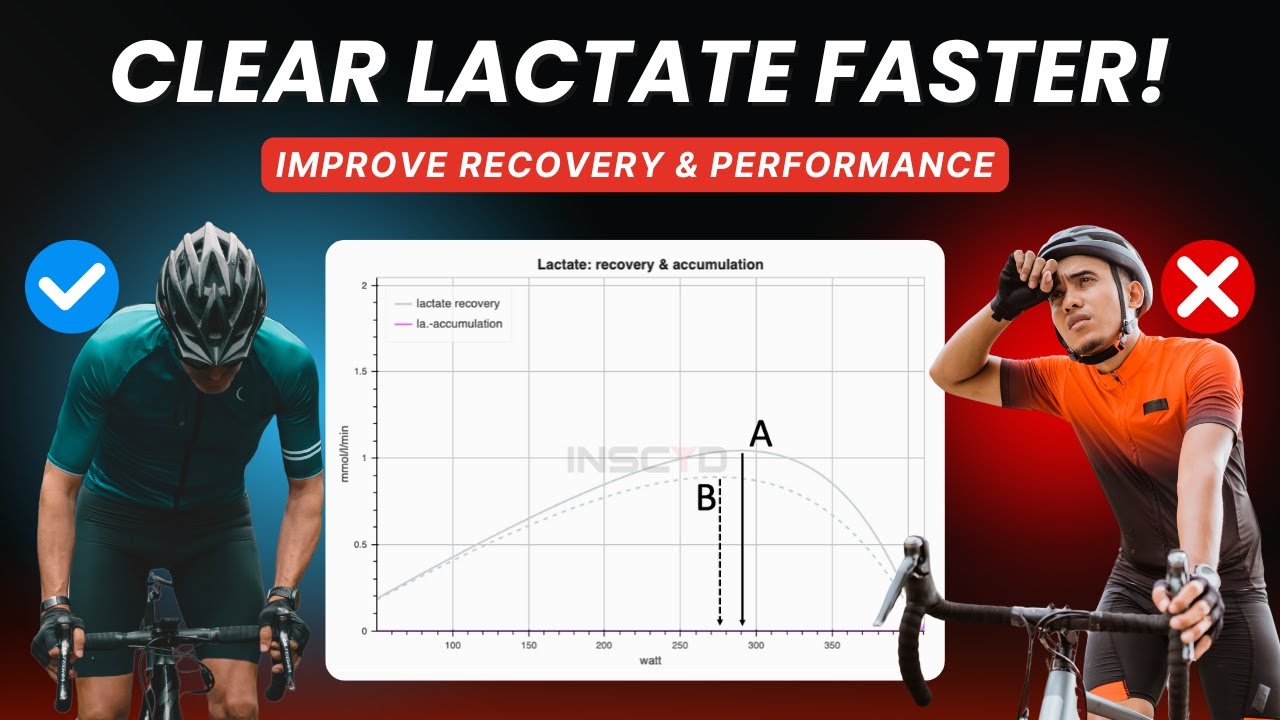

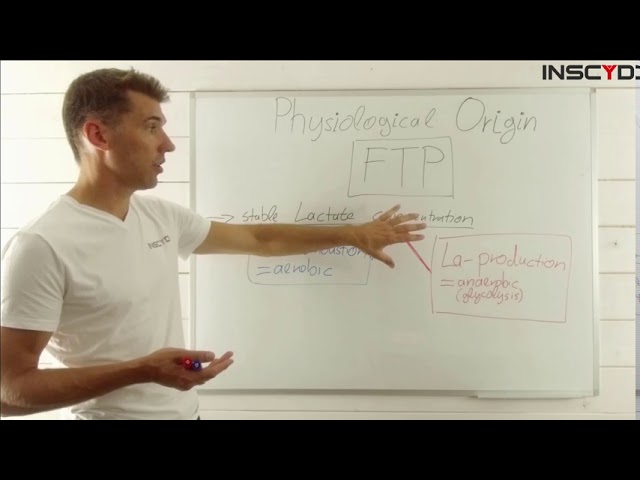
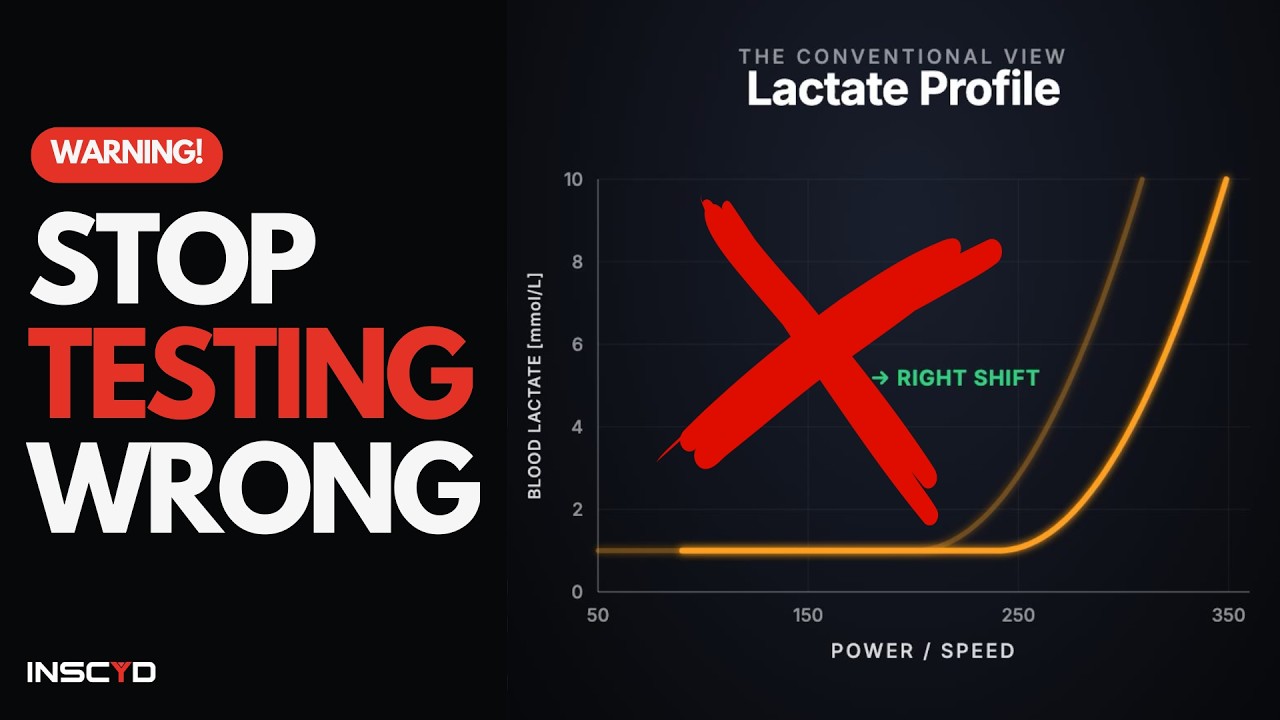
Lactate clearance is the process by which the body removes lactate from the bloodstream and muscles during and after exercise. Understanding lactate clearance is critical for coaches because it determines how quickly an athlete can recover from high-intensity efforts and how well they can sustain repeated hard efforts. Lactate is not a waste product.
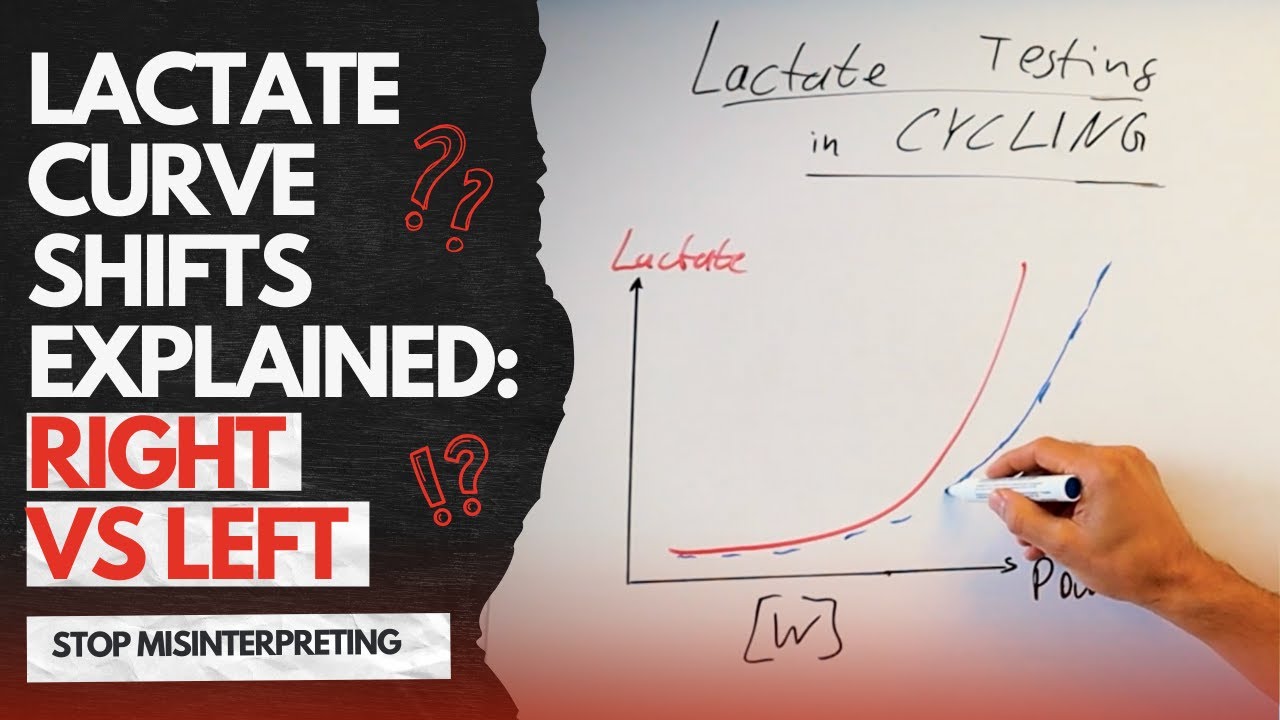
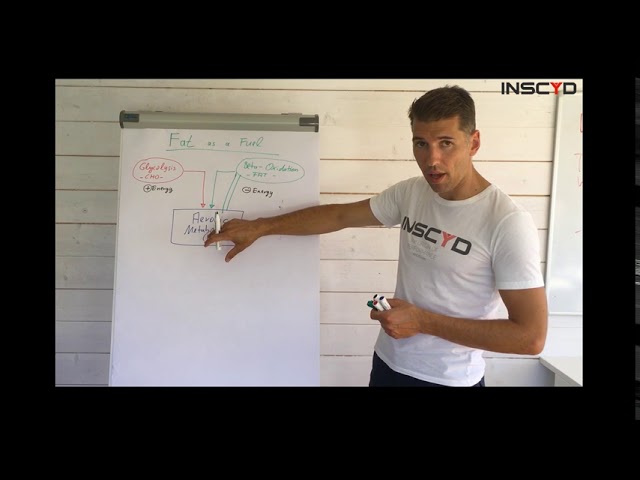
It is a fuel. It is produced in the glycolytic system and transported to other tissues where it is oxidized in the aerobic metabolism. The faster an athlete can clear lactate, the more effectively they are using it as fuel and the faster they recover.
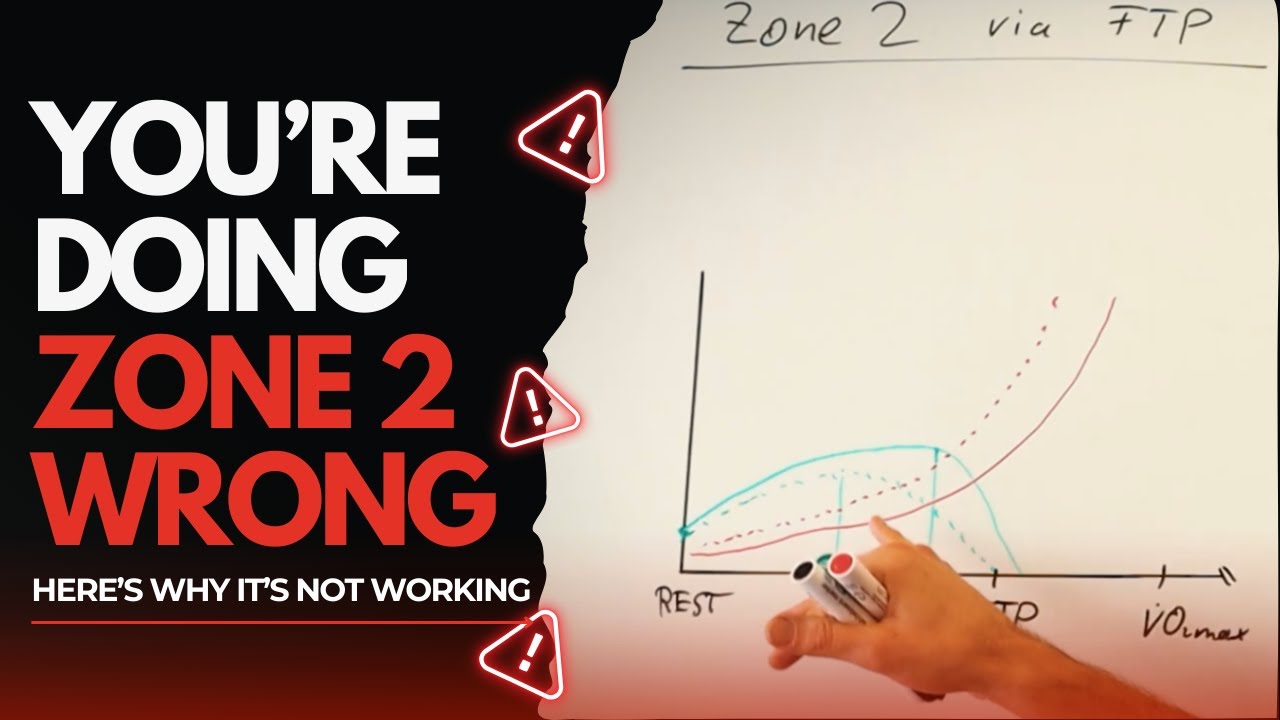
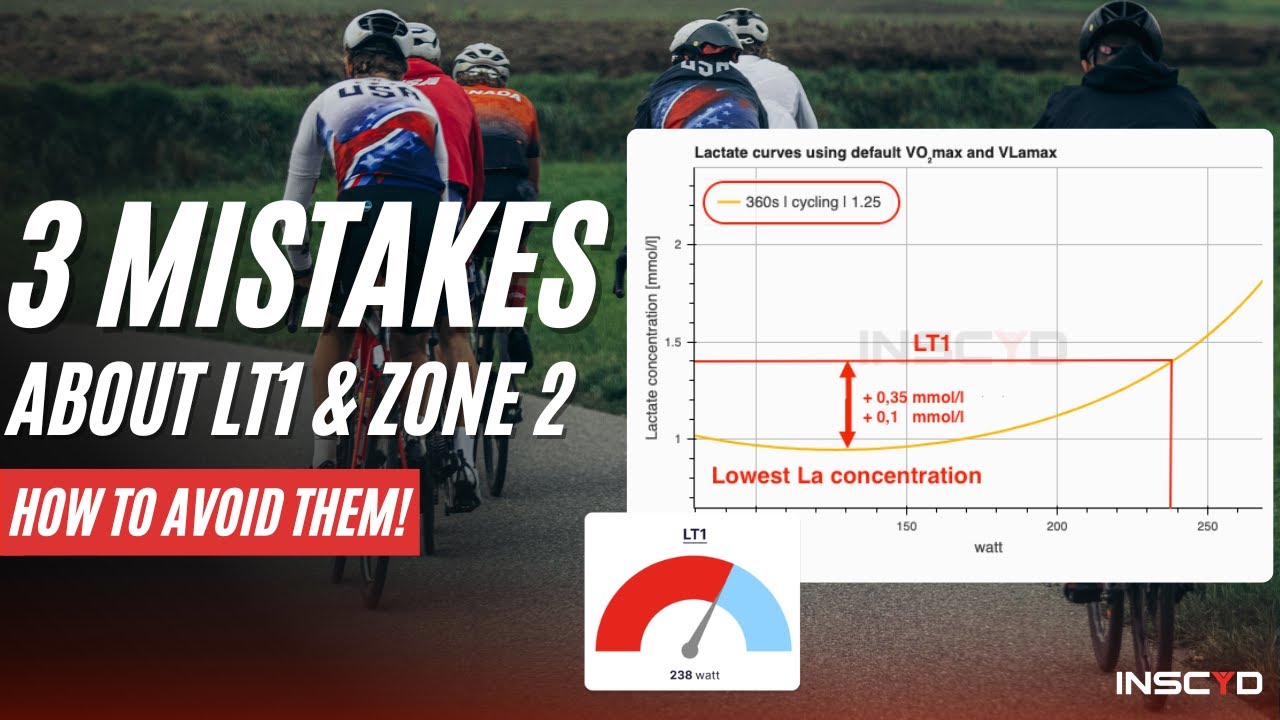
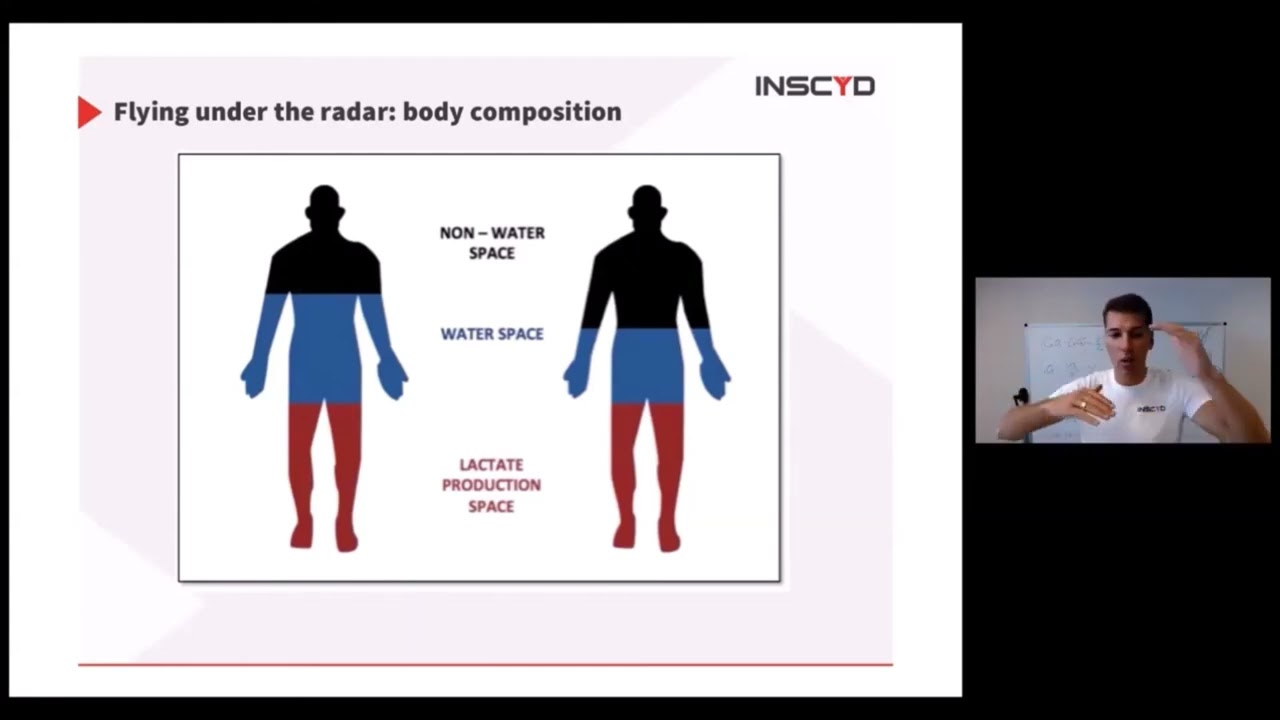
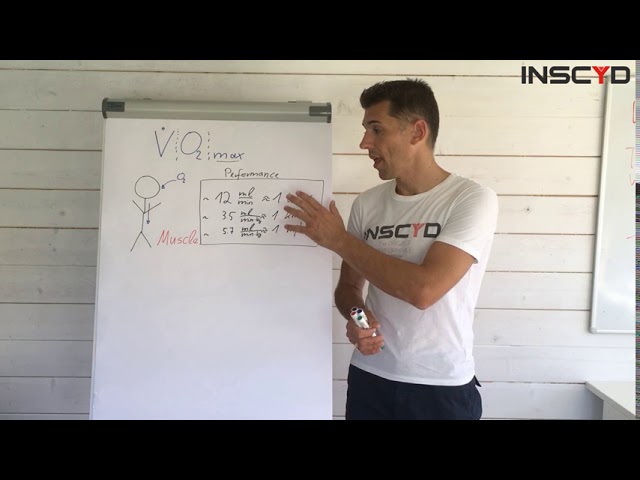
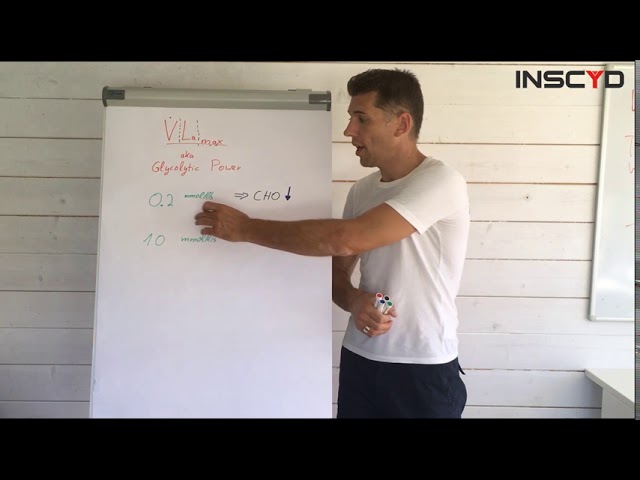
The key factors that determine lactate clearance rate are VO2max, which determines the aerobic capacity to oxidize lactate, VLAmax, which determines how much lactate is being produced, and the muscle fiber composition, which affects how well lactate can be transported and oxidized across different muscle groups. In practice, improving lactate clearance means improving the aerobic system through Zone 2 training and specific aerobic interval work. For athletes who need rapid recovery between efforts, such as criterium cyclists or team sport athletes, lactate clearance training should be a priority.
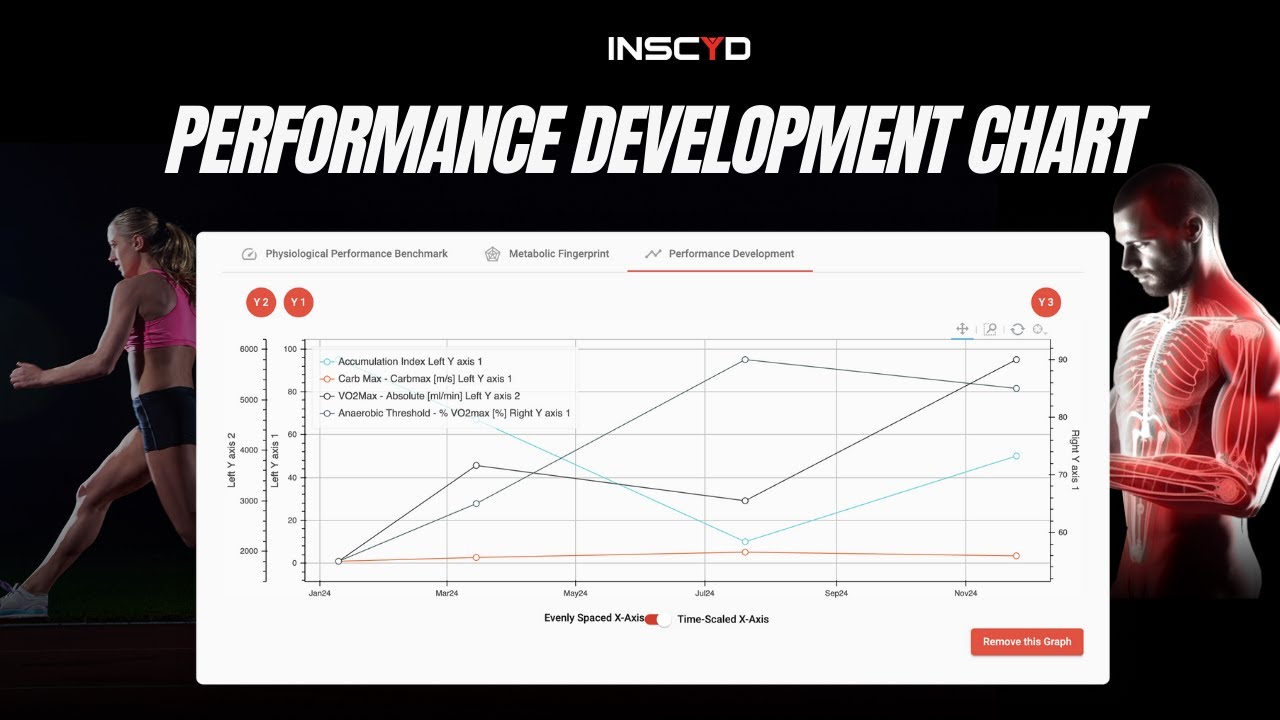
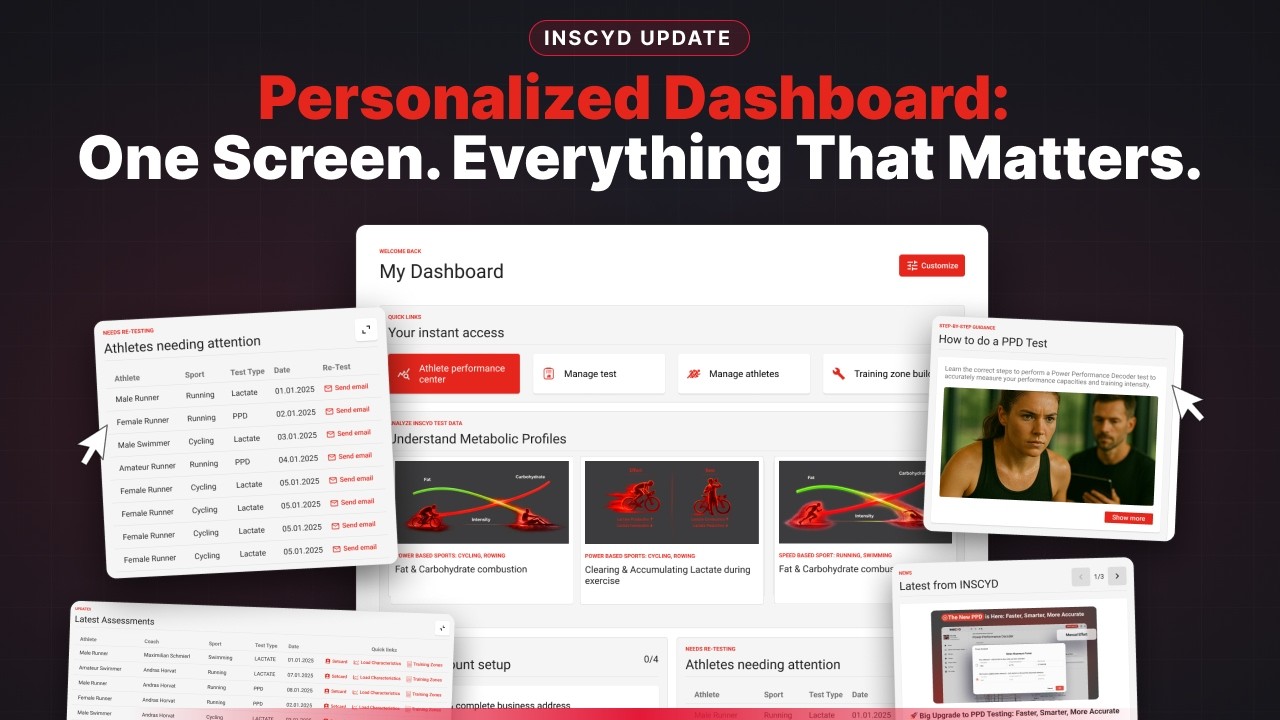
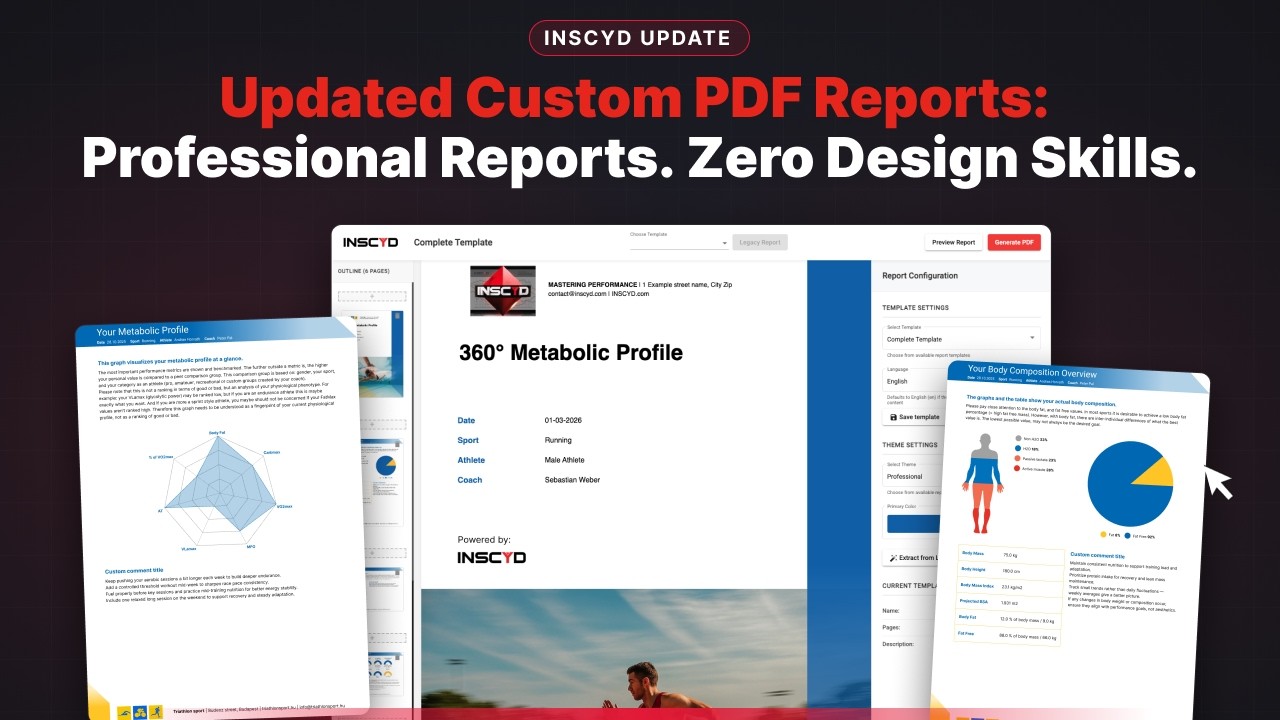
The INSCYD platform allows coaches to track lactate clearance by comparing VLAmax and VO2max across test sessions, and to design training that specifically targets improvements in aerobic lactate oxidation capacity. By understanding the balance between lactate production and combustion, coaches can design training that improves performance in exactly the race situations that matter most to their athletes.
https://bit.ly/Faster-Recovery
https://bit.ly/physiology-education



![[Tutorial] Training Zone Builder Update](https://cdn.prod.website-files.com/69fb420749df096c7fb865ef/69fdf1e0d26c1f6fe0d4c945_maxresdefault.jpeg)

![[Tutorial] Virtual Test & Performance Projection: Compare Training Outcomes in INSCYD](https://cdn.prod.website-files.com/69fb420749df096c7fb865ef/69fdf1e2a6495029773d8211_maxresdefault.jpeg)


![Create Training Plans Like Top Coaches [5 Steps]](https://cdn.prod.website-files.com/69fb420749df096c7fb865ef/69fdf1e491172a8381d183ad_maxresdefault.jpeg)