
Prof. David Pyne
Sports Physiologist at the Canberra University (AUS)

INSCYD’s scientific advisory board serves as a point of reference on scientific knowledge and methodology. They provide independent and objective advice on scientific matters to aid product development and scientific validation.
The scientific advisory board is composed of internationally recognized scientists in the area of human physiology and high-performance practitioners.
Sports Physiologist at the Canberra University (AUS)
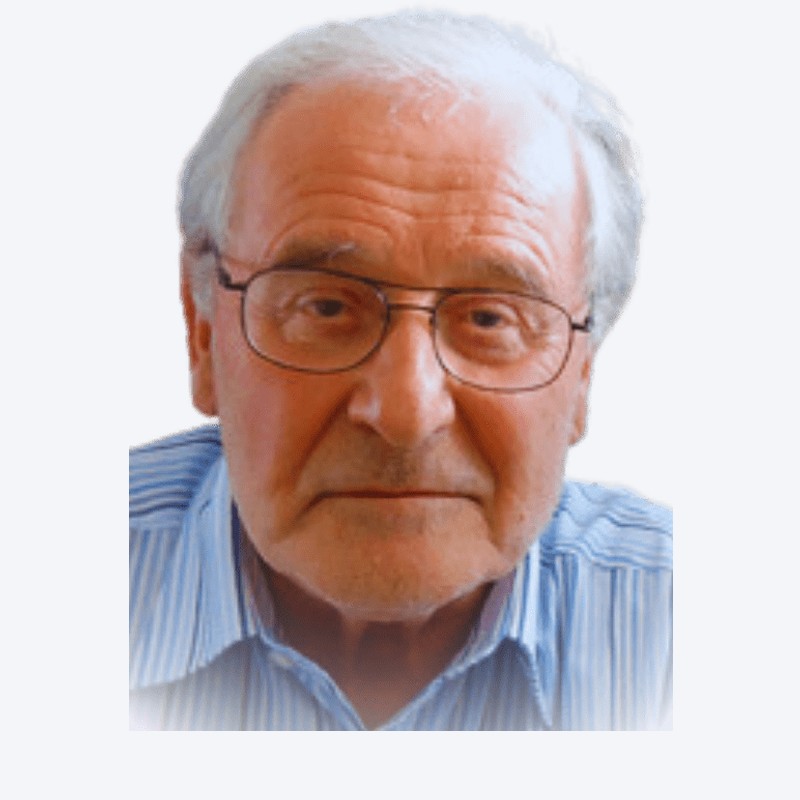
Former Professor at the German Sports University in Cologne (GER)

Professor of Biomedical Engineering at Korea University College of Medicine (KOR)
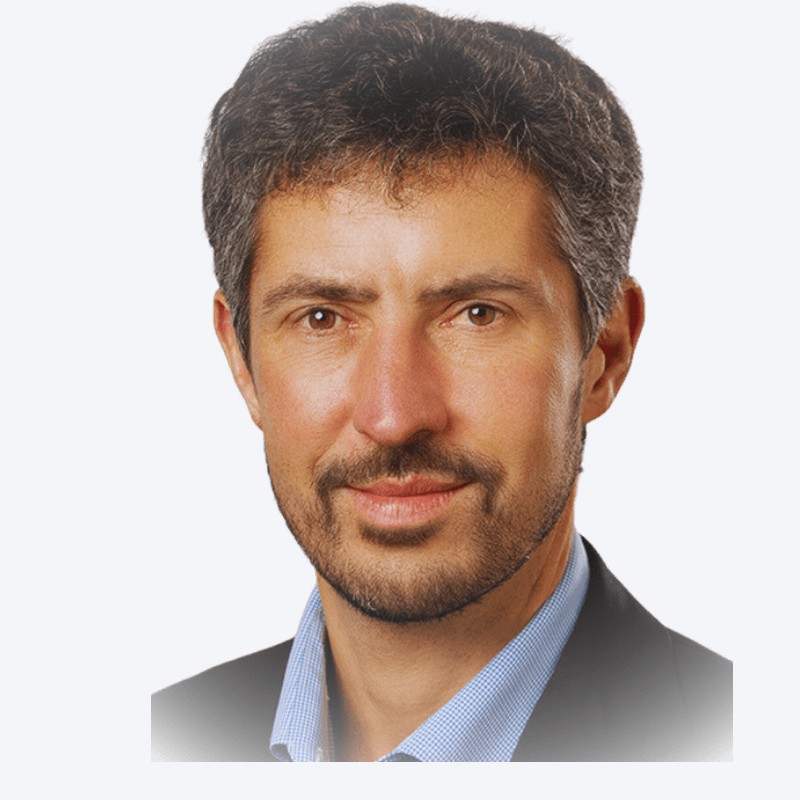
Doctor and Professor of Medicine & Sports Science (USA)

Doctor and Professor at the Institute for Sports Science in Hildesheim (GER)
If you have research questions or are an intern looking to contribute to scientific projects, or are a sports/physiologist professor or scientist interested in joining our collaborative network, please contact us.
Additionally, if you have inquiries related to the development of products, protocols, or services tailored to specific sports or have a unique demand, don’t hesitate to contact us.
Please fill out the form below with details about your research project. Our team will review your submission and contact you shortly.
Thank you. Our team will review your research inquiry and contact you shortly to discuss next steps.
Studies that validate the accuracy and reliability of INSCYD, as well as research that leverages INSCYD to uncover groundbreaking insights in the field.
 Read study
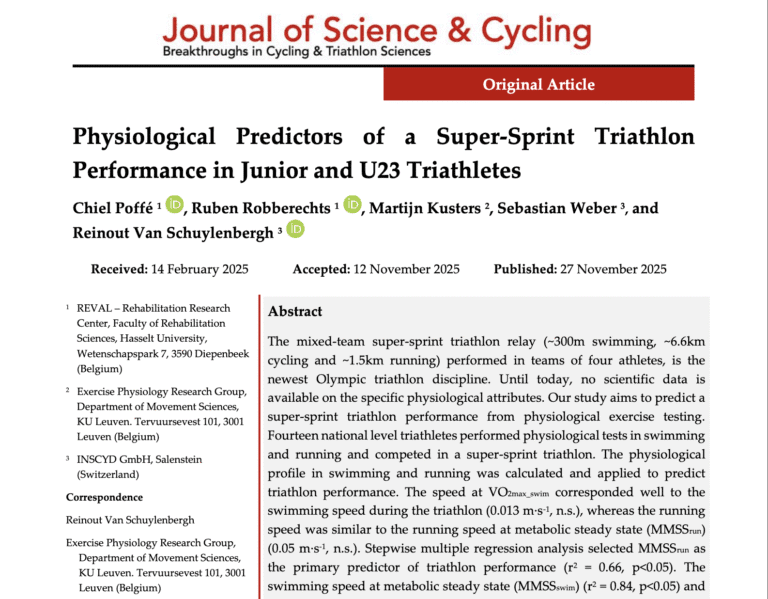
 The mixed-team super-sprint triathlon relay (~300m swimming, ~6.6km cycling and ~1.5km running) performed in teams of four athletes, is the newest Olympic triathlon discipline. Until today, no scientific data is available on the specific physiological attributes. Our study aims to predict a super-sprint triathlon performance from physiological exercise testing. Fourteen…
 Read study
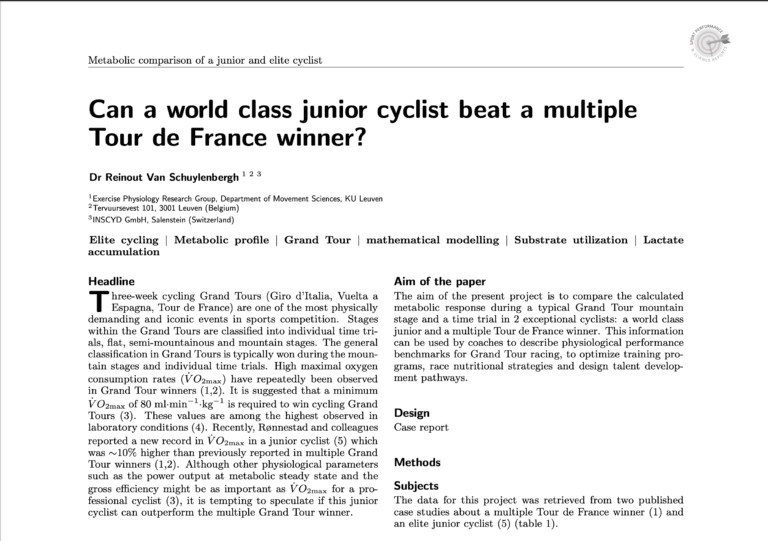
 Three-week cycling Grand Tours (Giro d’Italia, Vuelta a Espagna, Tour de France) are one of the most physically demanding and iconic events in sports competition. Stages within the Grand Tours are classified into individual time trials, flat, semi-mountainous and mountain stages. The general classification in Grand Tours is typically won…
 Read study
 The maximal lactate steady state (MLSS) is defined as the highest workload that can be maintained without blood lactate accumulation over time. The power output at MLSS (PMLSS) is regularly implemented to define training zones, quantify training progress, or predict race performance. The gold standard methodology for MLSS determination requires…
 Read study
 Scientific research on marathon performance has focused on aerobic metabolism. However, anaerobic metabolism cannot be neglected as for a given ̇V O2max, the lower the gly- colytic power (VLamax) the higher the metabolic steady-state performance (1–4) and the lower the carbohydrate combustion rate at a given speed (5). In contrast,…
 Read study
 High-intensity interval training (HIT) has been described as a training method that strongly stimulates the mechanisms of metabolic, neuromuscular and technical adaptations. Studies focusing on the effects of HIT in swimmers are rare despite its widespread use in practice. It is thought that HIT can powerfully stimulate the three energy…
 Read study
 Running in a triathlon, a so-called brick run, is uniquely influenced by accumulated load from its preceding disciplines. Crucially, however, and irrespective of race type, the demands of a triathlon always exceed the sum of its parts. Triathletes of all levels commonly report subjectively perceived incoordination within the initial stages…
 Read study
 Serious amateur and elite athletes regularly take part in structured physiological testing sessions so that their progress gets tracked and training loads in the training plan correctly prescribed. Commonly, athletes are tested for the maximal oxygen uptake (V̇O2max) and maximal lactate steady state intensity (MLSS). While for the former expensive…
 Read study
 This study evaluates the utility of anaerobic threshold (AT) and maximum carbohydrate (CHO) intake (CarbMax) for predicting intensity in long-distance triathlons. Using INSCYD diagnostic tests on 22 participants, the findings indicate that CarbMax and race performance CHO combustion (CHORP) are better estimators for optimal racing intensity than AT. Average CHO…
VO₂max, VLamax, FatMax, thresholds, fuel use and training zones, from a single test in the lab, in the field or fully remote.

