Create Training Plans Like Top Coaches [5 Steps]
How do you design a training program that actually works? In this video, I break down the exact 5-step coaching framework used by elite endurance coaches worldwide to create data-driven training plans for triathletes, runners, cyclists, and endurance athletes.
![Create Training Plans Like Top Coaches [5 Steps]](https://cdn.prod.website-files.com/69fb420749df096c7fb865ef/69fdf1e491172a8381d183ad_maxresdefault.jpeg)

How do you design a training program that actually works? In this video, I break down the exact 5-step coaching framework used by elite endurance coaches worldwide to create data-driven training plans for triathletes, runners, cyclists, and endurance athletes.
This systematic approach to training program design ensures you never waste time guessing. You'll learn how to set goals, translate them into measurable data, assess athlete baselines, identify improvement opportunities, and prescribe targeted training methodologies—from VO2 max protocols to running economy optimization.
⏱️ TIMESTAMPS: 00:00 - Introduction: The 5-Step Framework 00:44 - Step 1: Start with Goal Setting 01:38 - Step 2: Translate Goals into Data 03:02 - Step 3: Comprehensive Athlete Assessment 04:25 - Step 4: Contrast & Strategy Selection 06:05 - Step 5: Prescribe Tactics & Training 09:17 - Scaling Your Coaching Practice 10:44 - Next Steps & Resources
🎯 KEY TOPICS COVERED:
- How to create training programs for endurance sports
- Data-driven coaching methods and athlete assessment
- VO2 max training, running economy, and performance metrics
- Goal setting frameworks for coaches
- Triathlon, running, and cycling training plan design
- Scaling training program creation across multiple athletes
📚 RESOURCES: 🔗 Book a Free Coaching Call: https://inscyd.com/demo/ 🔗 Detailed article: https://inscyd.com/article/5-step-training-program 🔗 Free Training Resources: https://inscyd.com/world-of-inscyd/
Whether you're coaching triathlon, running, cycling, or any endurance sport, this proven framework removes guesswork and helps you create training programs with confidence. Perfect for new coaches learning how to design a training plan or experienced coaches wanting to systematize their approach.
We work with some of the most successful coaches in endurance sports across the world. I want to share a framework which the most successful coaches use to create training programs. This metric here offers most room of improvement.
This is therefore the strategy that we going to choose in order to achieve the goal and that enables you to quantify where are the biggest rooms for improvement. You can be very sure you can really trust in this program. Your athlete can trust as a program.
You can prove your athlete then can scale up and you can roll out a training program for the next two or three months being confident. Hey, my name is Sebastian Weber. I'm the founder of Insight.
Here at Inside, we work with some of the most successful coaches in endurance sports across the world from swimming, cycling, triathlon, running, skiing, you name it. And today I want to share a framework which the most successful coaches use to create training programs. This framework consists of five steps.
Five easy to follow steps that if you follow these steps, success is almost guaranteed. So let's get straight into that. So step number one, you need to start at the end.
What I mean with that is you need to start with a goal. Either you or in many cases the athlete defines a goal or together with you defines a goal. This could be anything from finishing my first half marathon to a new personal best in you know iron man long distance triathlon to winning a specific race whatever it might be you will have a goal could just be improving aerobic fitness whatever it is okay first you need to define the goal why is that because think about in terms of a training program think about a training program being like connection, shortest or fastest connection between point B and point A.
A is where you are. B is where you want to go. That's your goal.
Without knowing where you want to go, you cannot prescribe a successful and targeted training program. Therefore, you need to start at the end. Start with a goal.
Defining the goal is relatively easy in terms of yeah, I want to have whatever faster marathon time. I want to, you know, be a better sprinter whatsoever at the end of a cycling race, whatever it is. Now, step number two is translating that goal into numbers, into data.
Okay, what does that mean? What do you need in order to achieve that goal? What do I mean with that?
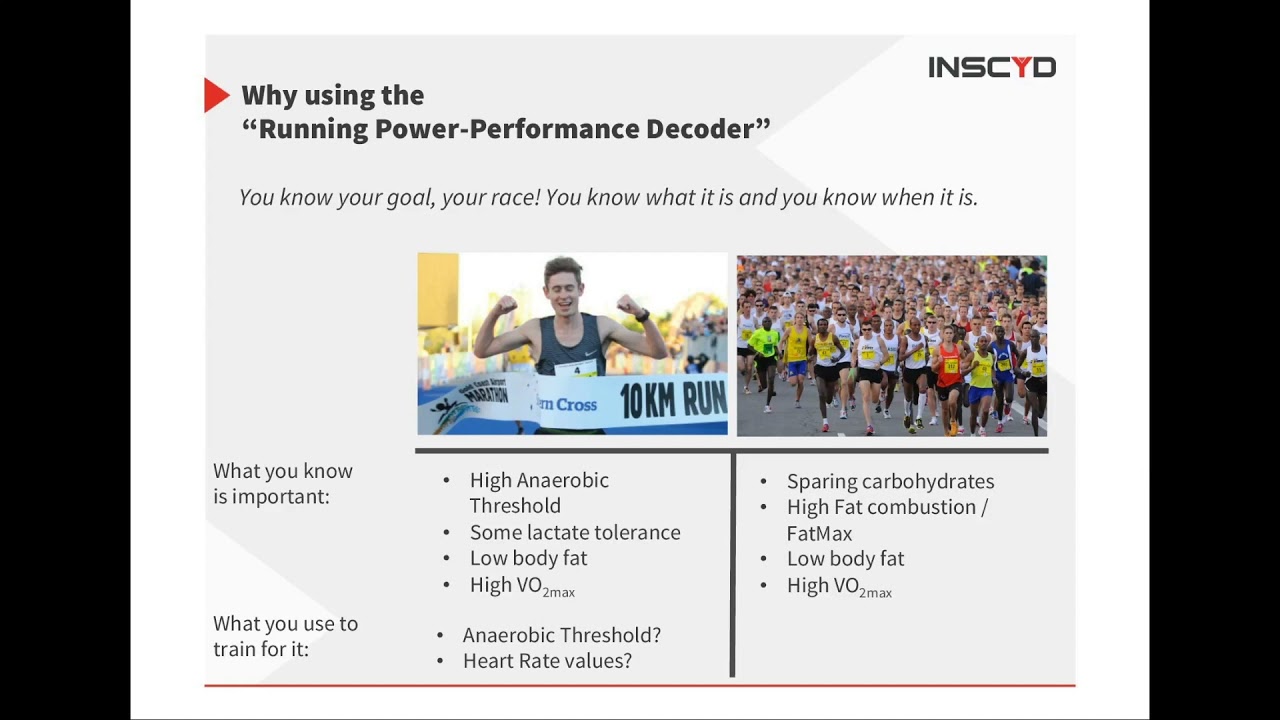
For example, it could be achieving this goal means you need to increase your power output. You need to increase your running speed. You need to lower your carbohydrate combustion at a certain running speed.
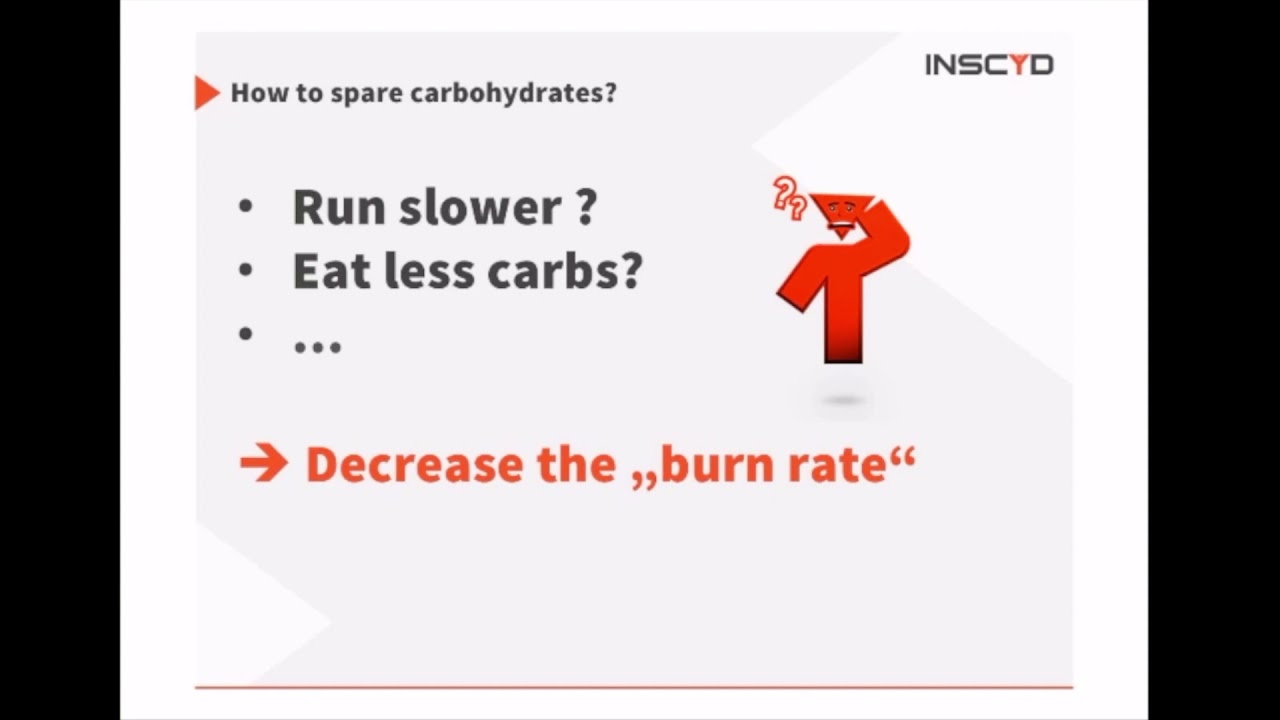
You need to be able to, you know, save a certain amount of carbohydrates for finishing that marathon in a specific time to finish a triathon in a specific time. Okay. So, starting from the goal, which can be pretty lofty in some cases, like, yeah, I want to finish a marathon for example.
Translate this into what does it mean from a physiological point of view? What is the actual number that we want to improve? Okay, going back to your navigation example, training program is shortest or fastest connection between A and B.
B is not for a navigation system for GPS is not that restaurant. It's GPS coordinates. Okay.
So, you need to translate it into something tangible, something measurable, something you can use as your northstar metric and compare and monitor development of metrics against that. That's step number two. Now, step number three, as you might have guessed it, is knowing where you are right now.
Knowing the starting point again, how can you possibly go from here to here if you don't know where you are. Once you have your destination, once you need to you have your goal, you need to understand very precisely where am I? Okay, what is my current status?
And that could be anything really anything that might be only remotely relevant for your goal. Why is that? It's not because more data is necessary better.
Right? I'm not saying that you need all the data that is possibly out there and going to use it. No.
But the more broader, the more complex your data analyzers baseline is, the more likely it is something, it is that you discover something that could offer room for improvement. Okay? So very simple example, if you would be looking just for example at body weight and not at body composition, you might lose out on some information which helps you to understand, oh, can I improve performance? for example, running performance by decreasing body weight because it's a difference if you want to decrease body weight by decreasing body fat or if you would have to lose muscle mass which might not be beneficial, right?
Or you might stumble across something like fat combustion rates or glycogen stores of the athlete. You might find something where you say, "Oh, wait a second. I didn't think about this metric but now that I see it I actually think there is something which we can work on which offers room for improvement you know that maybe there is a metric that you didn't think about you can leverage in order to reach that goal.
So that's step number three and then step number four is contrasting where you are right now. So all this assessment, all the current status, all the metrics of an athlete to where the athlete should be because remember we already translated that goal of I want to be 1 hour faster on the long distance triathlon. I want to finish my half marathon.
Whatever it is, you already translated that goal into numbers. You all translated that into okay, this is the running speed. This is the cycling power output.
This is the carbide combustion rate. Okay. So now you can contrast that to the actual status to the actual current performance of the athlete and that now unlocks the strategy the strategy for your training which you can choose from.
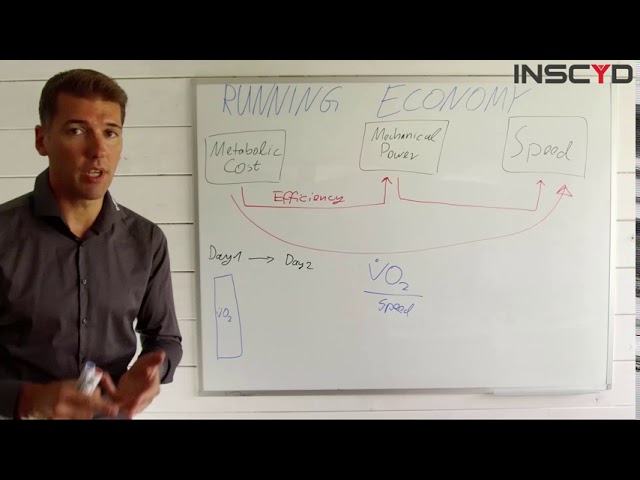
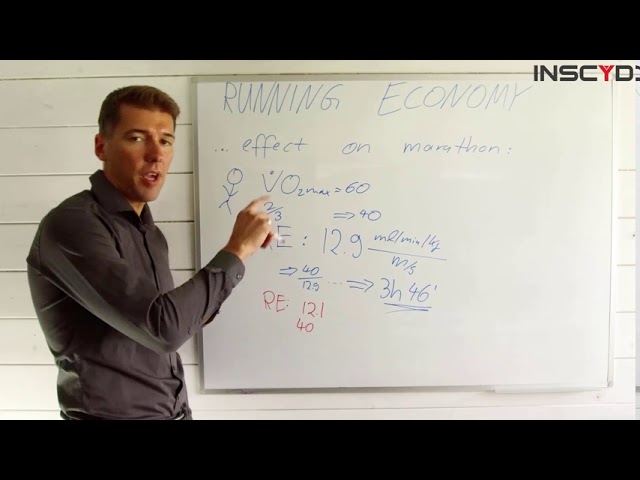
What do I mean with that? Okay, you want to actually quantify you want to quantify how much room for improvement is there. For example, by improving economy like running economy or swimming economy, how much room for improvement?
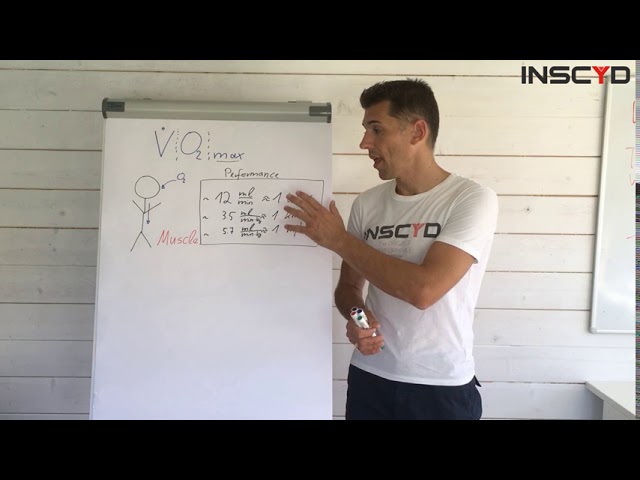
How much can the athlete gain by, for example, losing body weight, by increasing V2 max, by sparing carbohydrates, whatever it is. Okay, you want to put a number behind that and understand, okay, this metric here offers most room of improvement. This is therefore the strategy that we're going to choose in order to achieve the goal you know and it can be very different from one athlete for another.
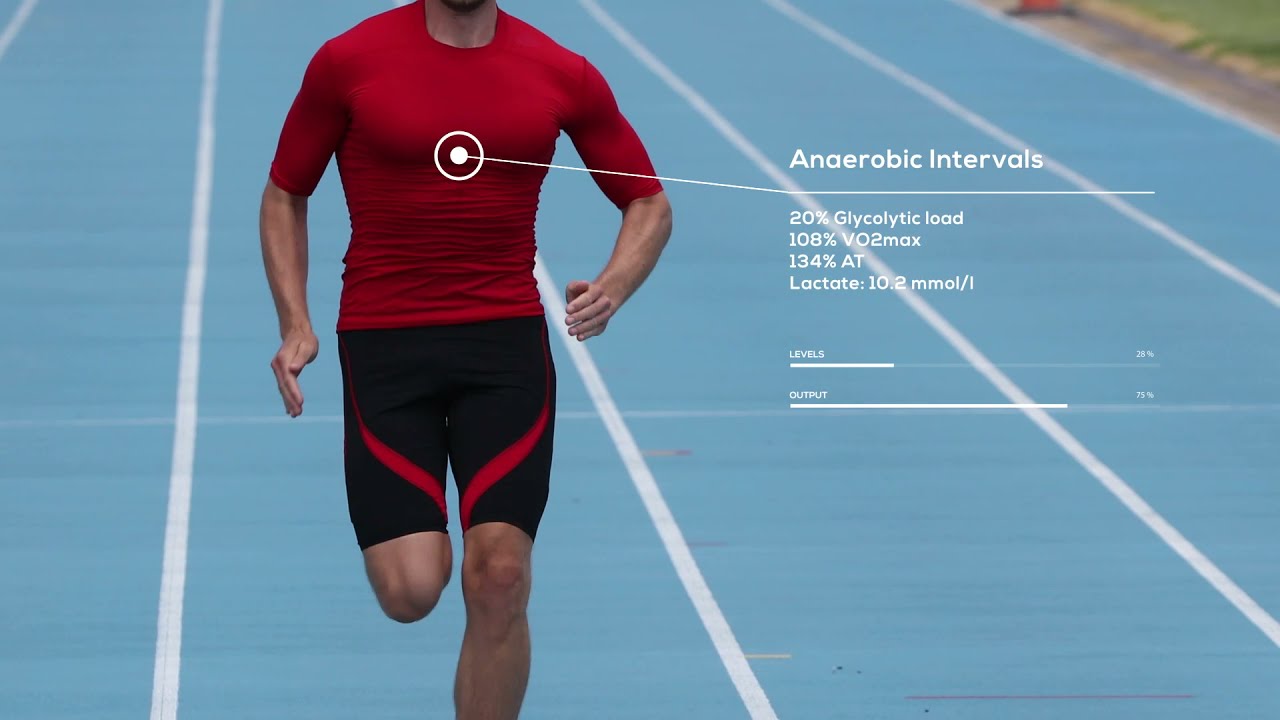
In one athlete it might be more beneficial to work for example on V2 max on aerobic capacity. In another athlete it might be more beneficial to look at running economy. In another athlete it might be more beneficial to look at you know anorobic energy contribution or lactate production.
Okay. And that defines the strategy. So now with that step what you have you have translated the goal into a tangible number.
You have assessed the athlete in a very complex fashion. Complex not in terms of how to capture the data but complex in terms of the wealth of data that you have in order to basically you know keep no stone unturned and be able to see any possible metrics that could offer room for improvement. And now in step four you compare those two.
You compare what numbers the athlete needs to achieve the goal and what is the current number. And that enables you to quantify where are the biggest rooms for improvement. Which are the biggest levers you can use to improve athletic performance in this particular case.
And then obviously finishing it off. Step number five. Now you have your strategy.
Strategy in terms of what do I want to improve? How do I solve this problem of current athletes performance not good enough to reach the goal? And that kind of comes down to the tactics which is actually creating the actual training program.
Okay. So when you have identified what you want to do, for example, improving V2 max, improving your fitness or improving running economy or prescribing a diet to save body weight, whatever the strategy is, it will look obviously very different, right? If you create a program to for running economy versus a program for improving aerobic fitness versusing a diet program like you know a nutrition program to change body weight.
So this would all look very different but now you identify you understand you can actually quantify and prove which one is the most beneficial which offers the biggest room for improvement. So you step number five you prescribe this training program. You write down the different training methodologies, different nutrition methodologies, weight training, stretching, whatever it is that belongs to this strategy.
You can write this down in the training program now. And then you have so to speak the cooking recipe for success for this particular athlete in this particular case. And at this point following this framework you can be very sure you can really trust in this program.
Your athlete can trust in the program. You can prove your athlete why he or she can trust in the program because you can prove all the steps along the way and prove logically why this training program is the right one. And then from there on it's actually pretty easy.
You just need to roll it out which is no offense mostly copy paste. It might sound a little bit silly or like wow that's why is he saying that? It's a little bit strange.
How can a training program be copy paste? Well, think about it. When you have now found a training program which for all information that you have is the best training program for this athlete for what we described.
You identified what to work on. You identified how to work on it. You identified that this offers, you know, the biggest room for improvement.
Then why would you deviate from that? If you prescribed the best nutrition training, recovery kinds of training, which kind of training methodology for this particular case, you would not deviate from it. Of course, it's not entirely copy paste.
You need to adapt to the work and life and you know time restrictions of the athlete, but the overall concept stays the same. And you might, yes, you might change training intensity. You need to adapt it as the athlete goes along.
And you maybe need to ramp up, you know, training load in terms of training hours a little bit, but the overall tactics, the overall training program stays the same. And so the heavy lifting part is the first five steps, which can take some time, but then you can scale up and you can roll out the training program for the next two or three months being confident that this is a training program. This will work best for for the athlete.
And from there, it all repeats. It all starts from the beginning. Make an assessment. contrast to where the athlete wants to go, make a new prescription or adapt the current prescription.
I hope this helped. If you have questions, if you want to see more, learn more how you can do this, contrasting the current status of the athlete, contrast that with the goals, how an assessment would look like, which metrics uh to look at depending on the goal of the athlete. reach out, book a call with us, check out the vast really, really high quality learning content that we have. Looking forward to hear from you.
Thank you. [Music]

![[Tutorial] Training Zone Builder Update](https://cdn.prod.website-files.com/69fb420749df096c7fb865ef/69fdf1e0d26c1f6fe0d4c945_maxresdefault.jpeg)


![[Tutorial] Virtual Test & Performance Projection: Compare Training Outcomes in INSCYD](https://cdn.prod.website-files.com/69fb420749df096c7fb865ef/69fdf1e2a6495029773d8211_maxresdefault.jpeg)