VLamax. Maximum glycolytic (anaerobic) energy production.
VLamax measures an athlete’s maximum glycolytic (anaerobic) energy production. As with every molecule of lactate which is produced there is a certain amount of energy (ATP) produced with it, lactate production rate is a valid marker for glycolytic energy production rate.
VLamax can be thought of as the anaerobic glycolytic counterpart to VO₂max: while VO₂max reflects maximum aerobic energy production, VLamax reflects maximum glycolytic energy production.
Trusted by the teams and federations behind the best in sport
From national federations and Olympic programmes to WorldTour teams and professional clubs worldwide.
VLamax correlates directly with sprint performance. A low VLamax of approximately 0.2–0.3 mmol/L/s, as found in professional marathon runners and triathletes depending on body weight and body composition, contributes approximately 150–300 watts of power output during a 15–20 second sprint. In contrast, a VLamax of around 1.0 mmol/L/s, as found in pure sprinters, can contribute approximately 1000 watts during the same effort. This illustrates the importance of VLamax: it directly correlates with sprint power or sprint speed.
If the goal is to improve sprint performance, measuring VLamax is needed to determine whether there is room to increase glycolytic power, and therefore sprint power or speed.
Glycolytic power: endurance athlete vs. sprinter
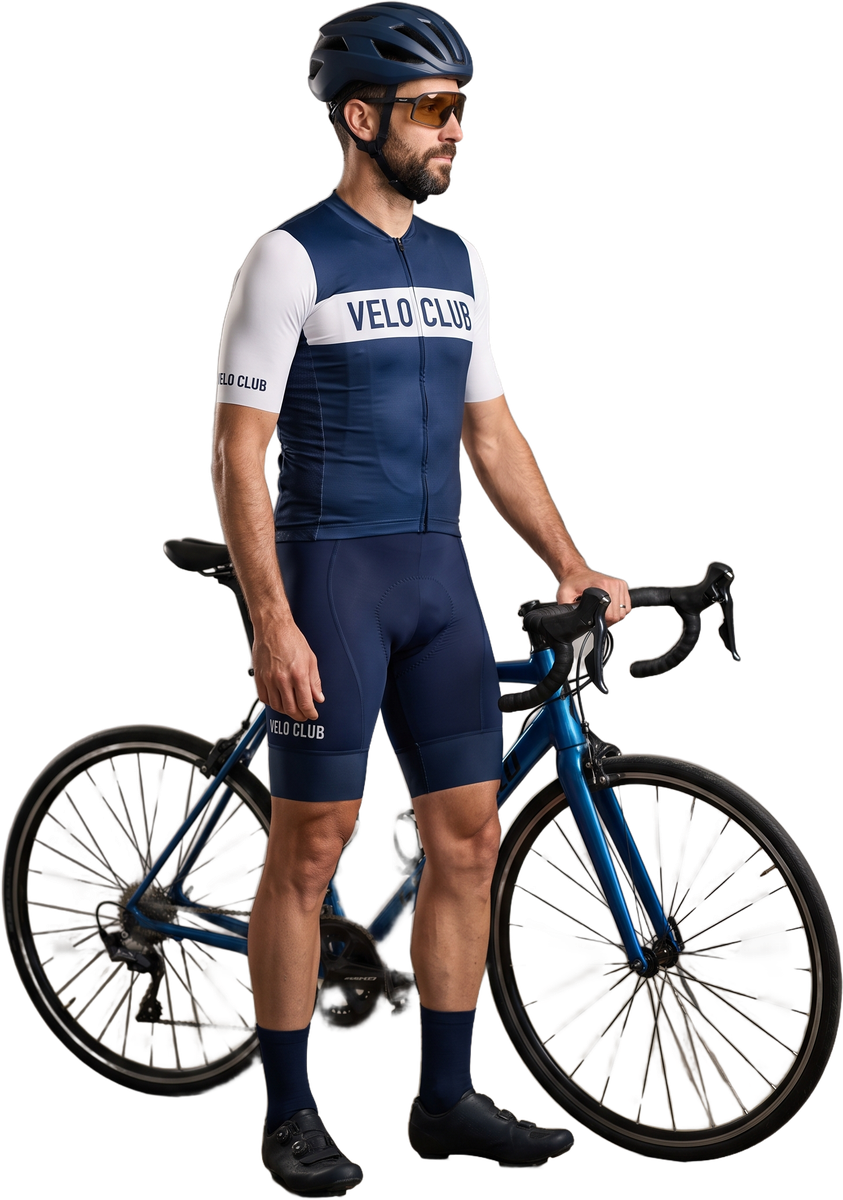 Endurance athleteVLamax ≈ 0.2–0.3 mmol/L/s≈ 150–300 W
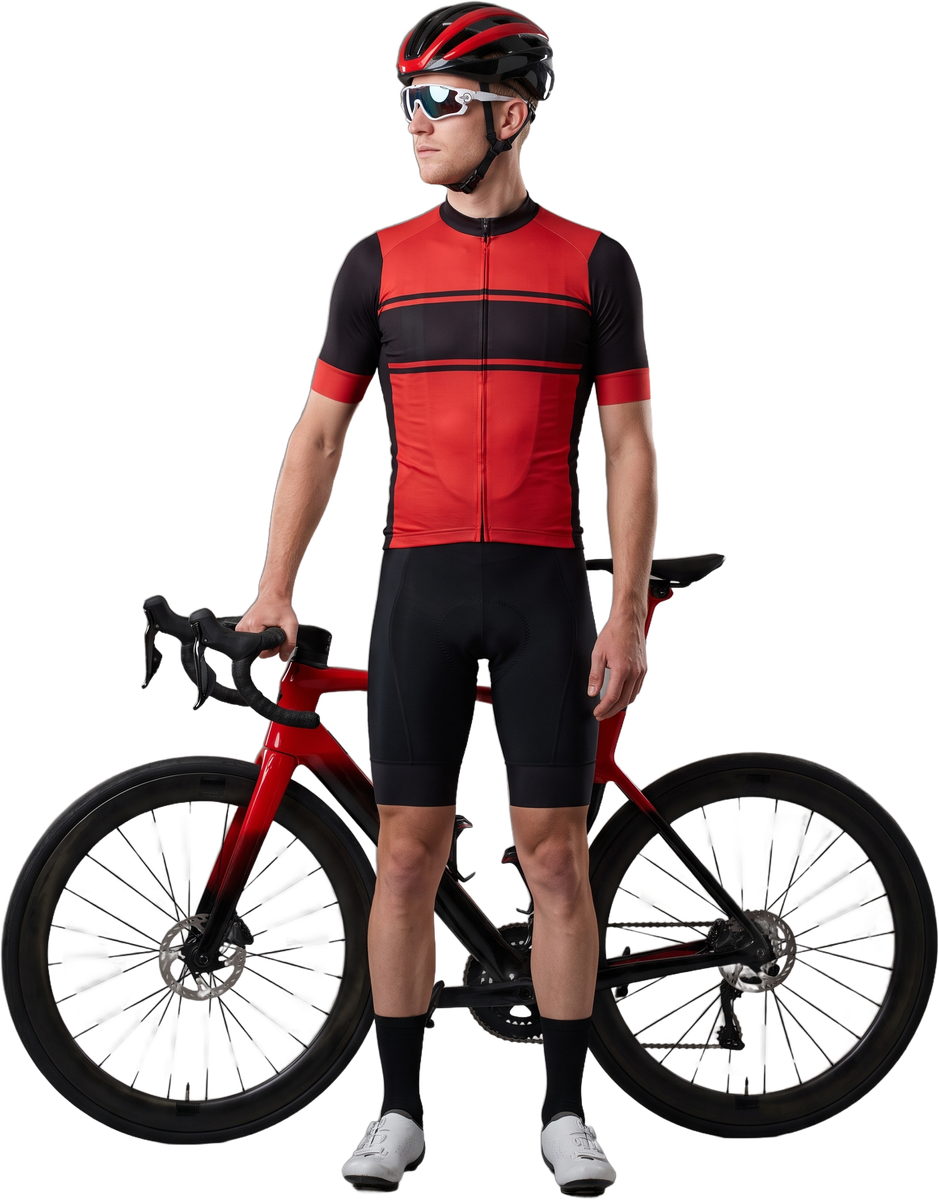 SprinterVLamax ≈ 1.0 mmol/L/s≈ 1000 W
Approximate glycolytic power contribution during a 15–20 second sprint
The original VLamax sprint test.
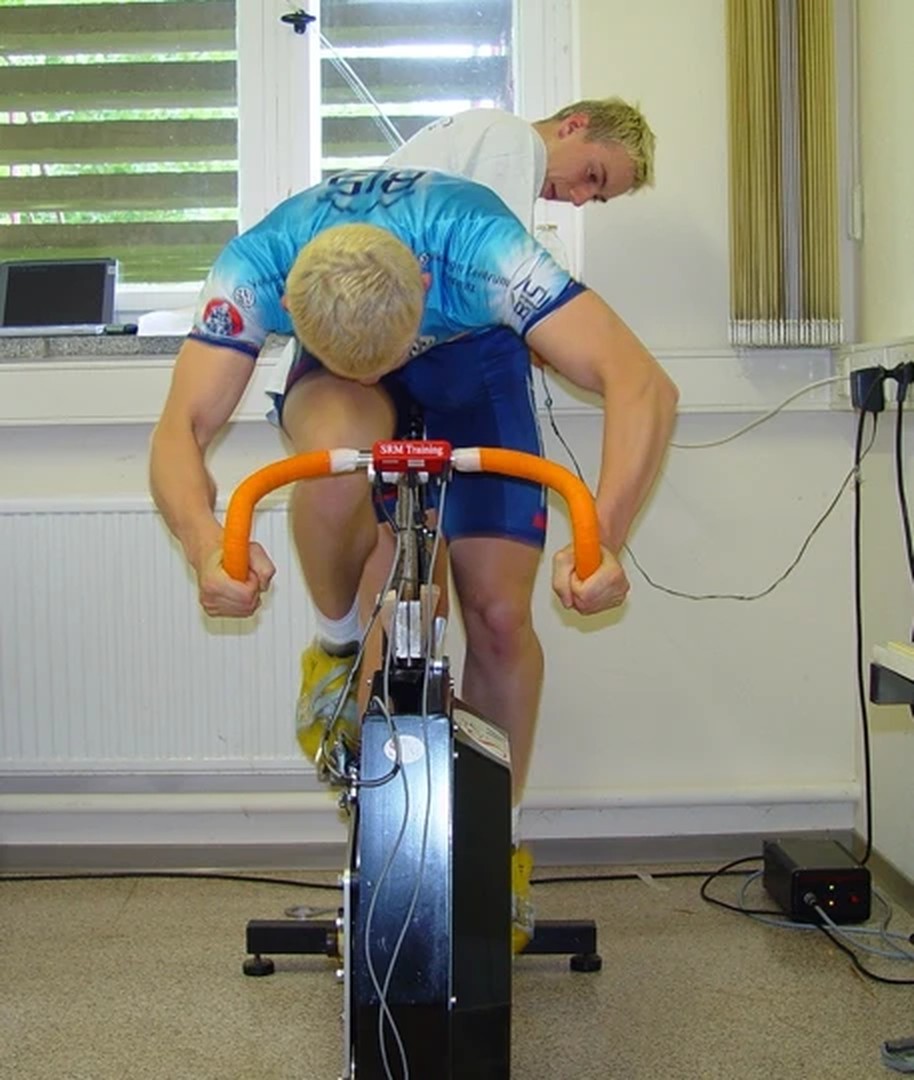
In 2003, INSCYD founder Sebastian Weber developed the first protocol applying this approach on a cycling ergometer.
The principle seemed straightforward: measure blood lactate before and after a maximal sprint and divide the increase in lactate concentration (Δlactate) by the effective glycolytic time. This effective time was calculated as sprint duration minus an assumed “alactic time”, the initial part of the sprint during which energy production was considered to come predominantly from creatine phosphate rather than glycolysis.
Why Δlactate / Δtime is not enough
The problem with this approach is that several assumptions required by the equation do not accurately represent what happens physiologically during and after a sprint.
Most importantly, the concept of a fixed “alactic time” is problematic in itself. Glycolytic energy production does not simply switch on after a predefined number of seconds. Its contribution depends on both exercise duration and intensity, which depends on the ability of the athlete to accelerate against a load.
Training can change acceleration, sprint power, muscle mass and creatine phosphate availability, all of which will change the relative contribution of energy from glycolysis and creatine phosphates during such a sprint. As a result, the physiologically appropriate “alactic time” changes from one test to the next, even when the equation continues to assume the same fixed value. This means that even test-retest comparisons based on a fixed alactic time can systematically misrepresent changes in VLamax.
Further limitations include lactate distribution and combustion, the offset of glycolytic flux after the sprint and body composition.
Together, these factors mean that Δlactate / Δtime cannot be treated as a direct measurement of maximal glycolytic energy production.
This is why even the founder of INSCYD, who developed the first ever sprint testing method for VLamax, ditched this method entirely.
Measure VLamax with INSCYD.
The new sprint test to measure VLamax
Today, VLamax can be assessed from an approximately 20-second maximal sprint without measuring blood lactate. Instead of using Δlactate and an assumed alactic time, INSCYD models the contribution of the different energy systems throughout the sprint, accounting for factors such as body composition and muscle mass.
The longer sprint allows the glycolytic rate to reach its maximum and begin to decline, confirming that peak VLamax has been reached, similar to identifying a plateau in a VO₂max test. Because the calculation does not rely on a fixed alactic time or post-exercise lactate, differences in acceleration, power development, test setup or changes through training do not introduce the same methodological limitations.

Determining VLamax from submaximal efforts
More practically, VLamax can be determined from submaximal endurance tests that are already part of an athlete’s testing routine, without requiring a separate sprint test. As explained above, VLamax directly influences the lactate concentrations measured during submaximal exercise. When other relevant factors, such as body composition, are accounted for, the measured lactate concentration allows to calculate the actual lactate production rate and thereby VLamax.
The resulting VLamax can also reproduce the athlete’s glycolytic contribution during sprint efforts. This approach eliminates the need for a separate testing protocol and allows VLamax to be integrated into existing testing procedures across different sports.