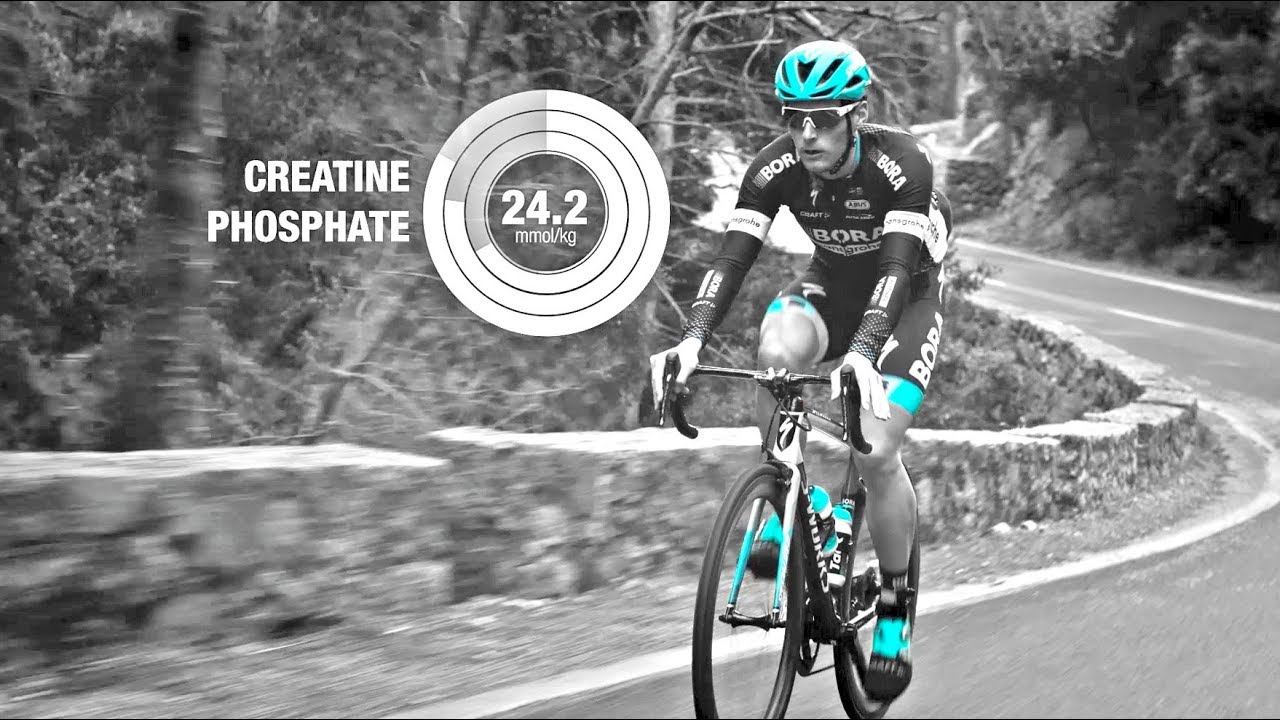
Body Composition in sports and performance testing
When expressing VO2max in oxygen uptake per kg bodyweight, or FTP in watts per kg bodyweight, you immediately understand the importance of body composition. However, it seems like not all coaches and labs feel the same when expressing blood lactate values in mmol per liter.
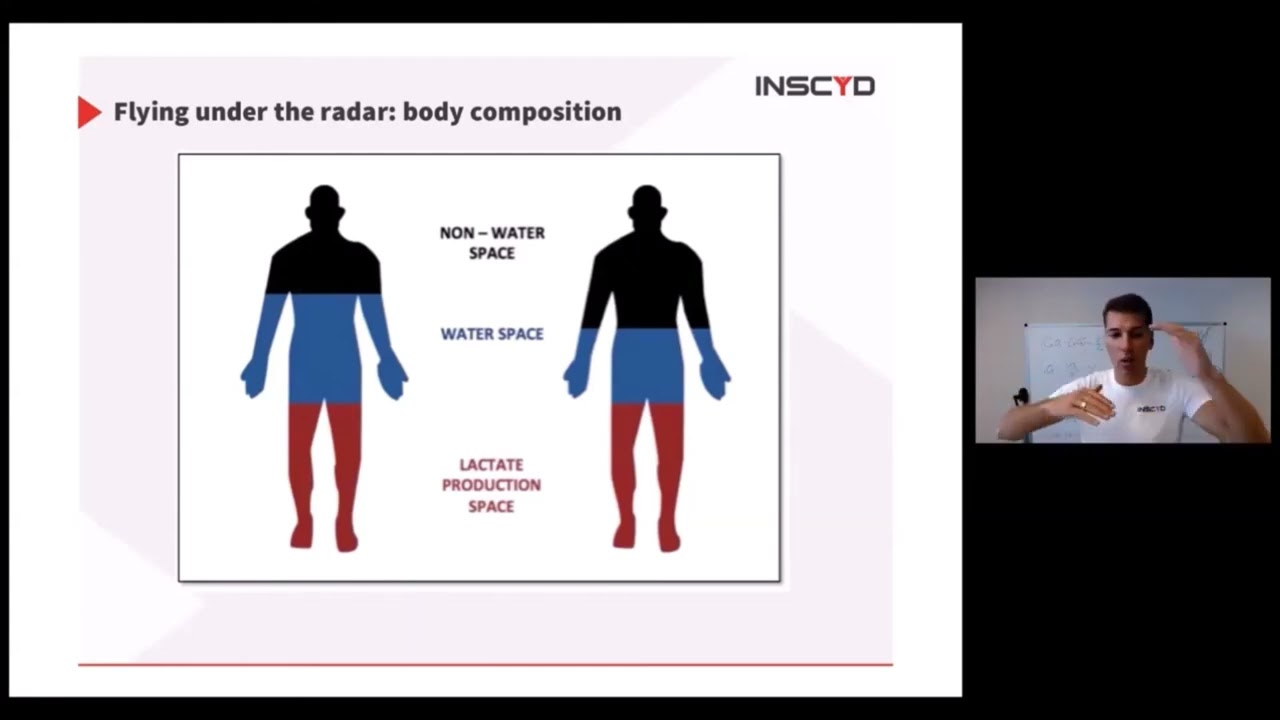

When expressing VO2max in oxygen uptake per kilogram of body weight, or FTP in watts per kilogram of body weight, you immediately understand the importance of body composition. However, it seems like not all coaches and labs feel the same when expressing blood lactate values in millimoles per liter. But do you know which liters we talk about?
The liters in this case refer to the lactate distribution space in the body, which is the volume of water in which lactate dilutes. Because lactate dilutes in water, an athlete with more body fat and less lean mass will have a smaller distribution space and will show higher lactate concentrations at the same production rate compared to a leaner athlete. This means that comparing lactate values between athletes with different body compositions, or comparing values for the same athlete across a season when body composition has changed, can be misleading.
The solution is to measure body composition and include it in the lactate analysis. When you do this, you can correct for the effect of body composition on lactate concentration and get a truer picture of the athlete's metabolic capacity. INSCYD's algorithm includes a body composition correction factor that adjusts lactate values to account for differences in distribution space, making comparisons between athletes and across time more meaningful and accurate.
https://inscyd.com/whitepaper/body-composition-in-performance-testing/
https://inscyd.com/article/muscle-glycogen-and-exercise-all-you-need-to-know/
Body composition is something like, yeah, it's always nice to have. If you just do it and you just measure a body fat and, yeah, log it, so to speak, right, it's a little bit flying under the radar. Don't get me wrong, it's no offense against anybody, I'm just talking about my experience and common practice, what I've seen out there. But there are two, three things, this body composition, beyond just, you know, your fat value. When people talk about body compositions they often think, oh, it's about the body fat, and how much fat do I have, because I don't want to carry too much body fat with me.
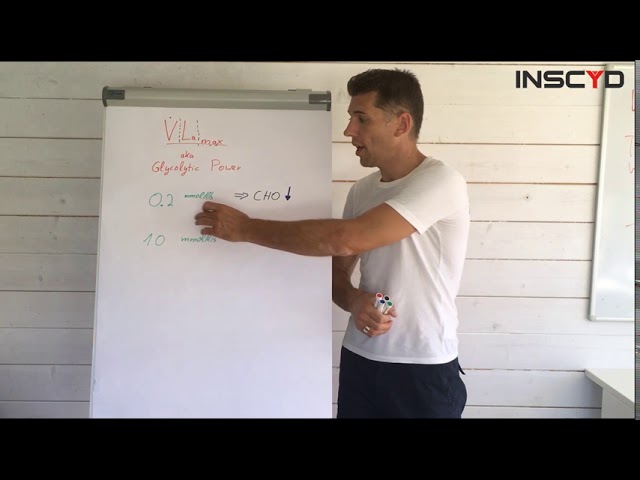
Well, fair enough, you don't want to do that. But one thing often forgotten: you talked about lactate initially, talks about lactate initially, and lactate is measured in a unit, mmol per liter. However, you don't even talk about the liters in most cases. Like, yeah, three mmol, 4 mmol, 10 mmol, 8 mmol. No, it's mmol per liter. It's a little bit ironic, because if I talk about VO2, everybody talks about per kg, and then the question comes up, how much kg, how much kilograms are there?
When I talk about what's per kilogram, question comes up, how many kilograms do you have? Same thing with the mmol per liters. It's a normal division, however nobody's asking for how many liters are there. So what I'm trying to talk about here, what I'm trying to tell you, is that lactate dilutes in water, it's water soluble. And if you have an athlete with more fat, percentage wise more fat, it obviously means that percentage wise body water is less.
And vice versa, if you have an athlete with lower body fat, percentage wise the athlete has to have more body water. The same is true for somebody for example doing weight training in the gym. You do weight training in the gym, you grow muscle mass. Muscle is approximately 75, 78% water, which means you have more muscle, you have more water, right? We just talked about how lactate shuttles between muscles. Okay, so another thing that comes out of body composition is glycogen.
Glycogen is stored in the muscles. The more muscle you have, the more glycogen you have. The higher you're trained, the more glycogen you have. If you change your diet, what you have, it's obviously the most precious fuel, right? If you haven't seen it, we have I think a very good blog article about it, why you need to think about glycogen that you have in your working muscles and not as the whole body, because it cannot transfer from, you know, from upper body to lower body for example.
And what you can see here, sorry, I didn't have the red circle for the full one, but look at the body fat just a little bit above there. Everything else is the same: 60 kg, 80 cm. One time is 15% body fat, one time is 25% body fat. Look at how much change you have in glycogen. And if you want to plan race pacing and fueling, 120 grams of glycogen, that's huge. That is an additional 30, 40 watts on the bike, because this is an hour longer running.
So don't underestimate that, what you can do with good body composition data.





![[Tutorial] Training Zone Builder Update](https://cdn.prod.website-files.com/69fb420749df096c7fb865ef/69fdf1e0d26c1f6fe0d4c945_maxresdefault.jpeg)


![[Tutorial] Virtual Test & Performance Projection: Compare Training Outcomes in INSCYD](https://cdn.prod.website-files.com/69fb420749df096c7fb865ef/69fdf1e2a6495029773d8211_maxresdefault.jpeg)


![Create Training Plans Like Top Coaches [5 Steps]](https://cdn.prod.website-files.com/69fb420749df096c7fb865ef/69fdf1e491172a8381d183ad_maxresdefault.jpeg)