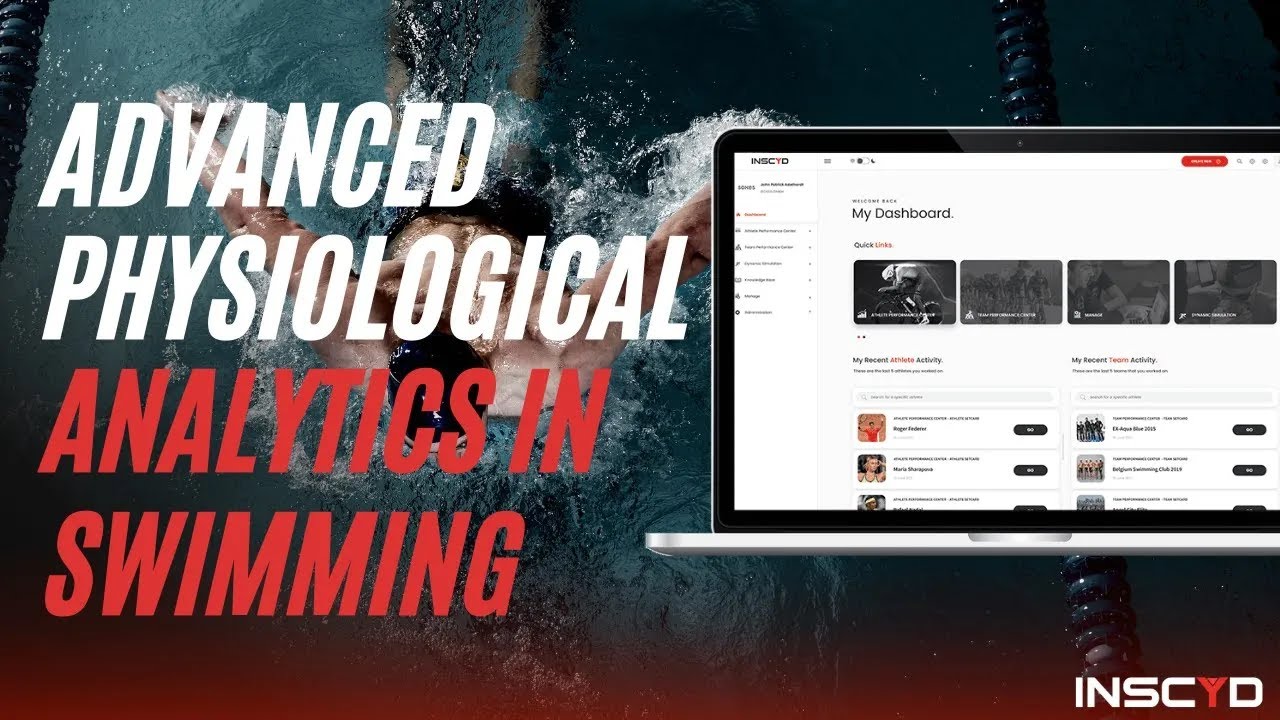
Performance Testing in Swimming | 3 Key Metrics & Custom Training Zones
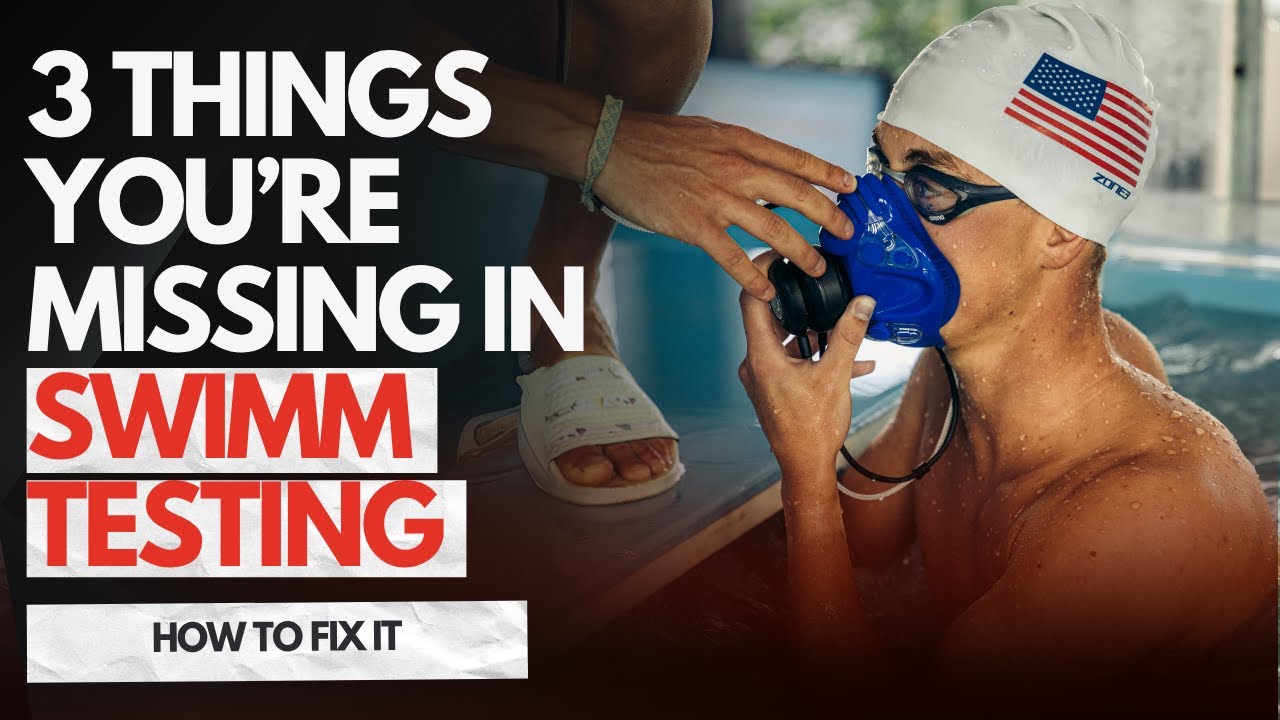
Unlock swimming performance with full metabolic profile from your lactate testing for swimmers. Discover how a single protocol merges lactate vs VO2 testing to build individualized training zones you can use tomorrow.

Unlock swimming performance with full metabolic profile from your lactate testing for swimmers. Discover how a single protocol merges lactate vs VO2 testing to build individualized training zones you can use tomorrow.
⏱️ Chapters 0:00 Why lactate-only tests fail 1:45 Conventional lactate test protocols (pros & cons) 3:30 Combining sub-max & all-out efforts 6:05 Measuring race-speed economy without a flume 8:40 VLamax explained—link to anaerobic power 11:20 From data to custom training zones (live demo) 15:55 Next steps & free resources
📌 Resources: 💡 Related Article & Studies 👉
https://shorturl.at/xEHGs 💻 Turn conventional lactate tests into a complete 360° Athletic Performance Assessment - https://inscyd.com/functions/lactate-testing
📺 Watch next 👉 https://bit.ly/physiology-education 📺 Watch training insights from top coaches and athletes 👉 https://bit.ly/training-insights 💻 Book a Free Demo 👉 https://inscyd.com/demo 🔔 Don't miss another videos 👉 https://bit.ly/43MK9bP 🌐 Visit our website 👉 https://inscyd.com/ 📸 Follow us on Instagram 👉 https://bit.ly/3Y5ZQK6 👍 Like us on Facebook 👉 https://bit.ly/3Ybwbz9 🔗 Connect with us on LinkedIn 👉 https://bit.ly/3rOsfbn
📌 Subscribe for weekly deep-dive science that converts lab numbers into podium results!
The lactate concentration itself does not give any explanation on to be fair most of the swimming performances are happening. You will also get aerobic and anorobic energy contribution, votox, vx, even substrate utilization. And what this means, you now can measure the economy in the efforts you're actually interested in.
You can actually put a number to it and quantify say this is how much speed or energy the athlete is losing or winning. that the more time you spend at a high fraction of your automax, the bigger the improvements of your max are. You can define the most individualized based on the unique physiology of an athlete training zones. You can get all that not reflected, not able to decipher that from a lactate incremental test.
Let's discuss three things which you can integrate into the testing and coaching of your swimmers which you likely don't do yet. Number one, testing your athletes. Testing the performance of your athletes.
Likely you will do one of the two following testing protocols. Number one common protocol is we just do allout tests. We just do come some kind of race simulations over different distances to understand what is the maximum speed.
What is the best time actually the swimmer can achieve in a certain stroke over a certain distance. Normally obviously testing the strokes and the distances we are interested in for training but especially racing. And then we use those times to break down percentages of it to say okay this is x% I want to use for my interval set. this is x percentage I want to use for this kind of training and so on and so forth.
The upside of that is it's very close to the real condition you're interested in because at the end what we want is we want to swim faster over a certain distance and it's also pretty easy and practical to do. The downside is it doesn't tell you anything, not one single thing about the physiology, about what actually changed from a physiological point of view in a test or retest scenario. And for the very same reason, because it's not telling you anything about the physiology.
It is not disclosing anything about what are from a physiological point of view areas for improvement and areas where your athlete already is pretty good. And let's make no mistake, physiology, aerobic capacity, buffering capacity, anorobic power, all these things which we're going to talk about a little bit here are ultimately those metrics which you try to improve by training and swimming. And the downside is if you use these very practical, very spot-on allout race simulation type maximum efforts of your athlete to progress their performance uh to to monitor the progress of their performance.
Yes, we do understand how fast they swim and do they swim faster or slower than two months ago or last month, but we don't understand why that is. What changed in the physiology? How did our training actually work?
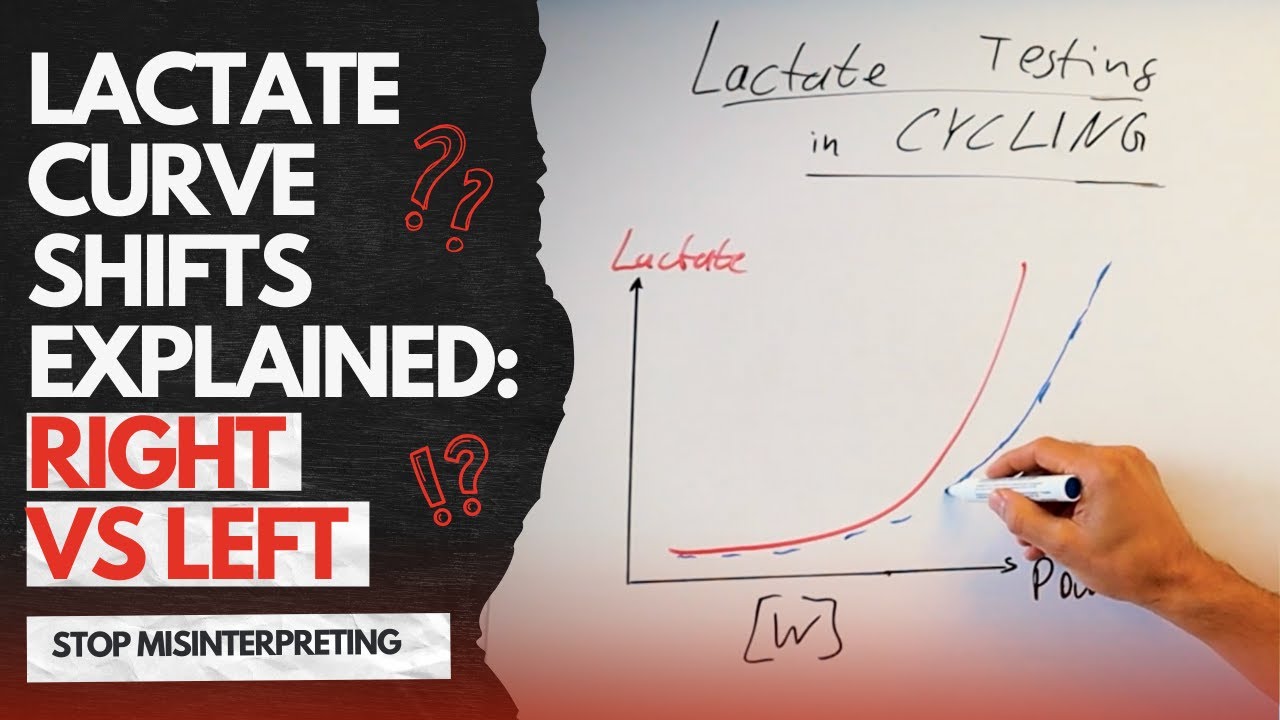
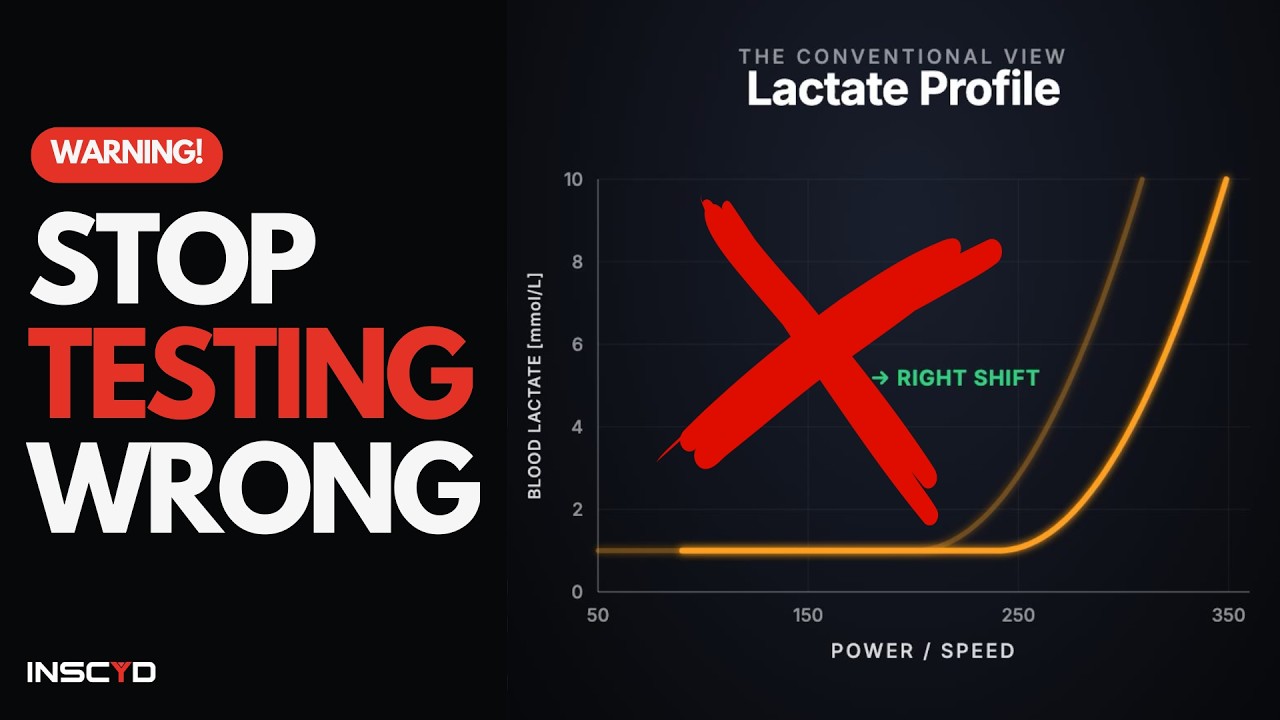
That's one way how testing is done in many many cases. The other group of coaches so to speak painting a little bit black and white here is doing lactate testing incremental lactate test four times 200 m three times 400 m whatever you do right so some kind of lactate testing where you know similar as they do in other sports you kind of incrementally increase the load in basically the swimming speed test the lactate pre-post get the lactate profile curve great then what most people do break down this lactate concentrations and say, "Oh, you know, we want to swim at a lactate of 2 millm moles or three or four or six or eight for whatever training intensity is on." Great. You can also do that.
Maybe you even get a threshold value and break down percentage of threshold. Cool. Downside is you entirely miss out on the other part.
Most most of this test is done submaximum. So tracking best performances no not happening right you would have to do these allout tests over certain distances in the specific strokes of the swimmer backstroke butterfly whatsoever additionally to that test adding to the time and then the other downside is what you're actually doing in this lactate incremental test you're mimicking some kind of quasi steady state conditions right 400 m steady speed and to be fair most of the swimming performances are happening at a mixture of aerobic and anorobic energy contribution as a mixture of higher V2 max better swimming technique you know better swimming economy buffering capacity again all that not reflected not able to decipher that from a lactate incremental test. So yes it gives you a little bit a snapshot into the physiology as much as you are able to see oh the lactate is high or lower but this is where it ends.
The lactate concentration itself does not give any explanation on you know is the lactate concentration for example lower because the athlete combusted more lactate meaning higher aerobic capacity or produce less meaning lower glycolytic capacity. So also not perfect. So what are you able to change?
Here are the three things we are going to talk about. So here's number one. If you're doing these lactate test you can still do that.
If you're doing these all out test, different strokes, different distances, maximum speed, you can also still do that. What you're actually able to do, you're able to combine those two doing a few sub maximum effort with measuring lactate. For example, it can be even a warm up, right?
If your specific stroke of the swimmer is let's say butterfly, you can do freestyle in the warm up. Take lactate after three four um you know easy uh shorter distances and then design the protocol that you want in terms of hey I want 50 m butterfly 100 m butterfly all out. I want 100 m backstroke 200 m back whatever it is.
Okay, design the protocol containing the distances and the strokes that you're interested in and just measure lactate before and after. And then when you plug this into inside, we are able to decipher, you're able to disclose what was the actual lactate production and lactate combustion that created the concentration that you measured. Now that might sound very nerdy and you might say, okay, why is it important to me?
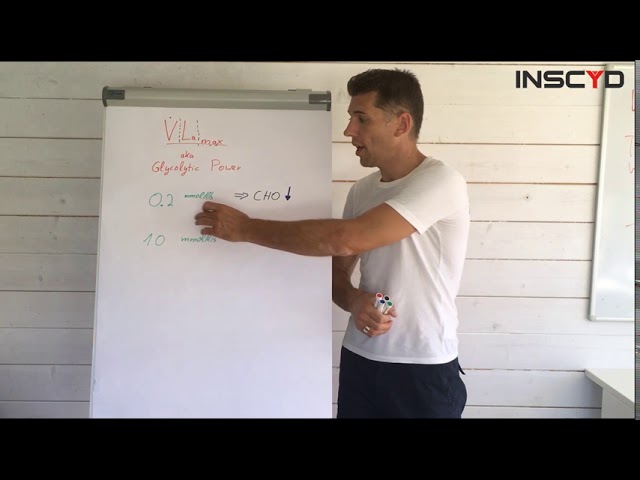
Why it is is because the lactate production is directly linked to the maximum anorobic capacity of the athlete or VA max to be more precise and the lactate combustion is directly linked to the aerobic capacity or V2 max of the athlete. So by doing that, designing a protocol however you want it, some easier warm up, freestyle efforts to get training zones for the freestyle endurance training, volume training so to speak, combined with whatever allout efforts, race simulation and the specific stroke of the athlete. You design whatever you want.
You take lactate pre and post and beside just getting only the lactate curve and the lactate concentration. You will also get aerobic and anorobic energy contribution, v2x, vmx, even substrate utilization and how fast the athlete athlete accumulates lactate and how quickly the athlete can combust and therefore recover from high lactate for example in between interval sets. So what I'm saying is you get this complete huge metabolic profile.
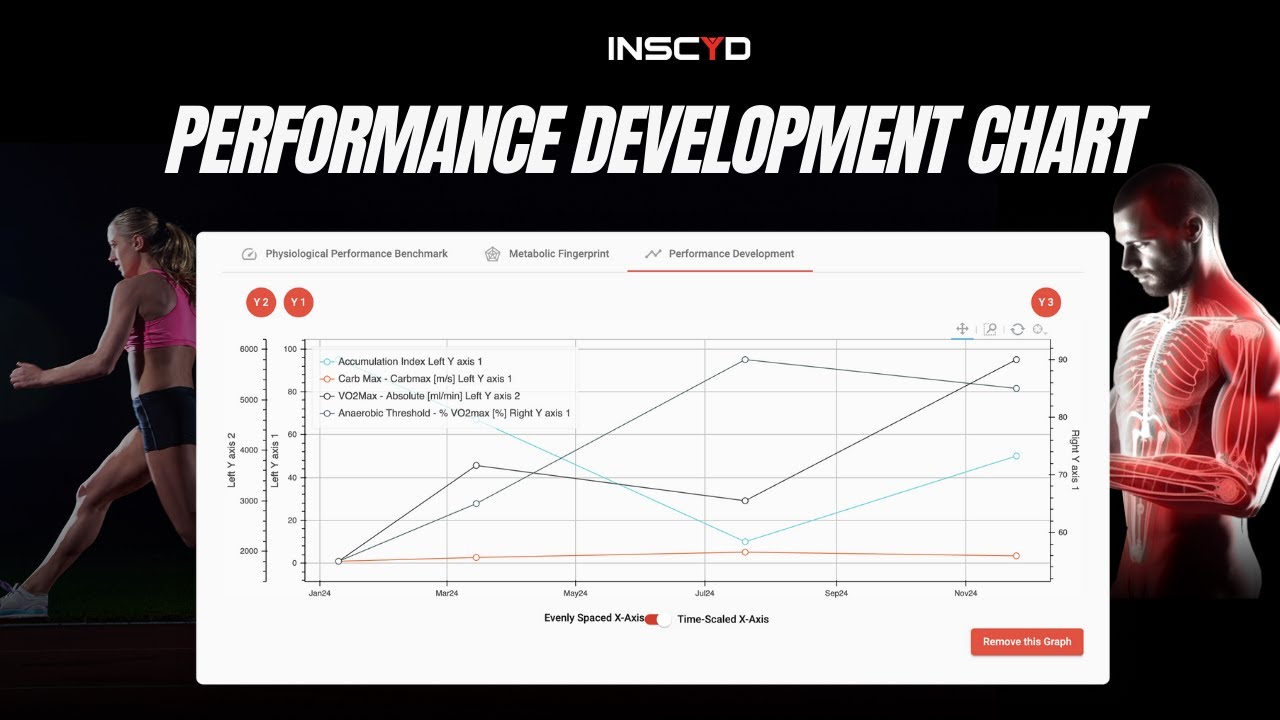
So you have a much much more complete picture of if you for example do a test and retest. So testing and retest after a training block you can now understand in very great detail for example why did the the speed why did the speed increase why did the time over whatever my 100 meter all out 50 m all out fun or whatever it is why did it improve was it because the aerobic system got stronger was it because the glycolytic system got stronger and so on so forth number two swimming economy we don't need to argue about that I think we don't need to argue about that the swimming economy. What I mean with that, the energy demand to swim a certain speed at a certain stroke obviously is crucial to performance.
We have seen from elite triathletes to modern pentathletes to elite swimmers to recreational swimmer, amateur swimmers, we've seen tremendous differences in the energy demand to swim a certain speed in a certain stroke. Meaning swimming economy, so energy output, energy demand to swim a certain speed differs tremendously in between athletes. Often this offers the single biggest room for improvement.
So how do you measure that? Well, first thing that might come to mind is that oh I need a snorkel. I need a 30k V2 analyzer.
I need to go into a flume. I will not have the real swimming technique. I don't can do flip turns or it's in a or it's in a in a in a flume and therefore you know it's not realistic.
That's gone. That's from the past. You can now test and the pool on the pool deck easily just putting the V2 analyzer on after the effort and we do the math for you.
We do the math in terms of we do you know a fitting of the offset of the V2. It's called backward extrapolation. is scientifically well explored and you can get the actual V2 number pretty precisely during the effort. Great.
Now you can say okay I can do that. That sounds good. But similar to our problem with electing you can only get reliable numbers if you do that.
You only get can get a reliable analyzes for the low speeds for your training speeds. And to be fair, how much are you actually interested in swimming economy in submaximum let's say freestyle effort of your 100 m fly athlete? It's not so relevant, right?
Is it? So why can you not do it after 50 m fly or 100 m fly or whatever your specific distance is? Well, very straightforward because in the majority of all swimming events, there's a very very big amount of the energy of the performance contribution coming from anorobic metabolism.
And obviously anorobic metabolism as the name tells you is not measured is not covered by doing V2 measurements. So your V2 measurement that you can do in the pool is not cutting it when it comes to the economy that you're interested in. And this is the economy at your allout race simulation events.
Right? So what I'm saying is you should not be so interested in if you're a fly or or breast stroker you know has a good swimming economy at low speed freestyle. You are interested hey what is the economy at race speed at the specific stroke and V2 does not measure that because a majority of the energy coming from the anorobic sources.
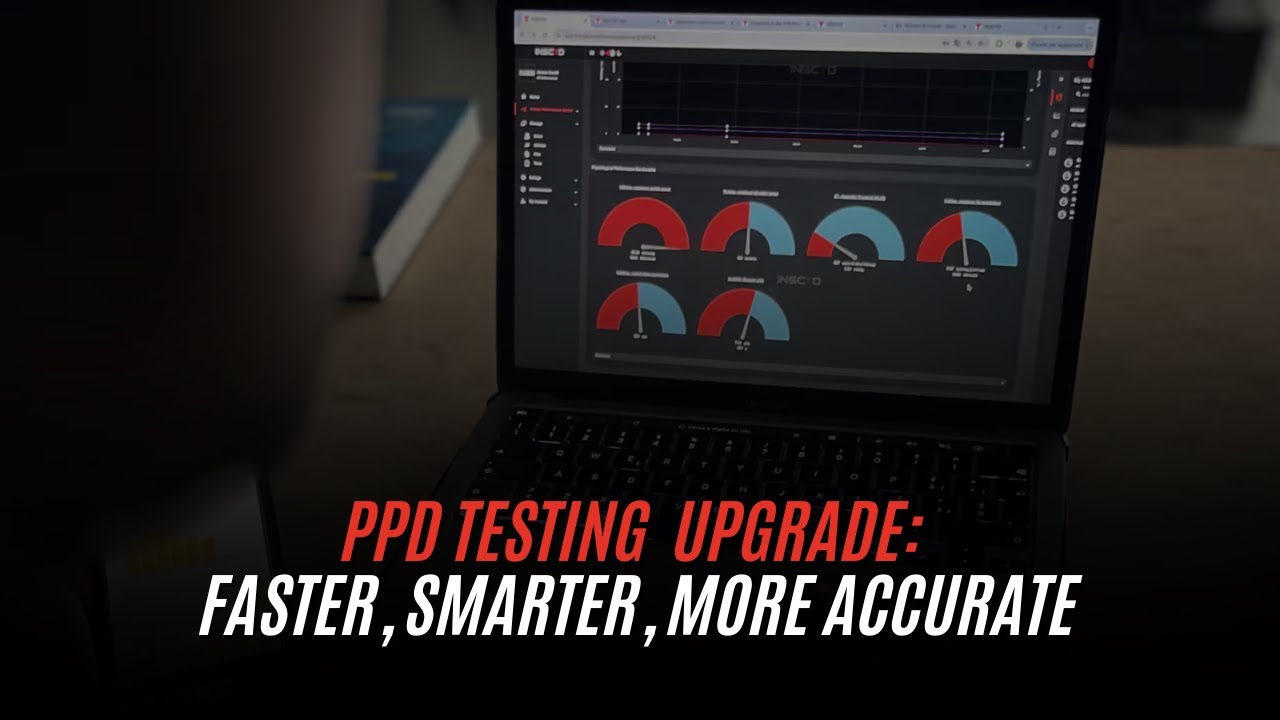
Now again what you can do now you can combine the V2 measurement with a lactate measurement just pre-post this effort lactate you plug it into inside and what it does it analyzes the energy from the aerobic part and the energy from the anorobic part and by adding those two together you now get the total energy demand or energy expenditure even in short 100 m race simulation like efforts. So what this means you now can measure the economy in the efforts you're actually interested in. big big improvement very important point because now I can really understand hey is there something is there something to you know to learn from that should I actually can this athlete gain performance improvements from improving technique and you can actually put a number to it and quantify and say this is how much speed or energy the athlete is losing or winning gaining over his peers over data that we have stored from the literature you can compare to that and say okay how good is it athletes from econ economy point of view and therefore likely how much room is there for improvement. So that was number two and number three is setting training zones that goes a little bit back to the testing.
So one thing that you will likely want from performance testing and swimming is not only what we discussed seeing the progress of an athlete from a test retest scenario and understand better how the training actually worked and what it did trigger in terms of adaptation and what it didn't. Again, we discussed that needing to look at the physiology. The other thing that you likely want to get from such a testing is indications for speeds, for you know um lab times for your training.
Either it's endurance training or that's interval training, high intense interval training, extensive interval, whatever it is you want that. Okay, so we discussed that. How do you do that?
Well, you do your old school conventional allout efforts over several distances. Take a percentage. Then you don't really know what is actually going on physiologically during these efforts.
Or as we discussed, you maybe take do a lactate test and you do know now oh this swimmer at whatever after 400 m and that whatever lap time has a lactate concentration of three. Now you cannot extrapolate that and understand oh this would be the lecture concentration after 200 m or 600 m or 800 m or 50 m at a different speed. So the application of that value these values is very very limited plus on top of that just because you know the lactile concentration you don't know what else is going on.
So giving you one example, scientific literature, I'm going to link it here in the article. Scientific literature tells us that it's pretty well researched and proven that the more time you spend at a high fraction of V2 max, the bigger the improvements of V2 max are. So therefore for example you would want to look at oh what is the V2 max utilization during the interval training I like to prescribe in my athlete in the specific athlete based on the individual physiology and either your best times know your lactate concentration training zones model tells you that.
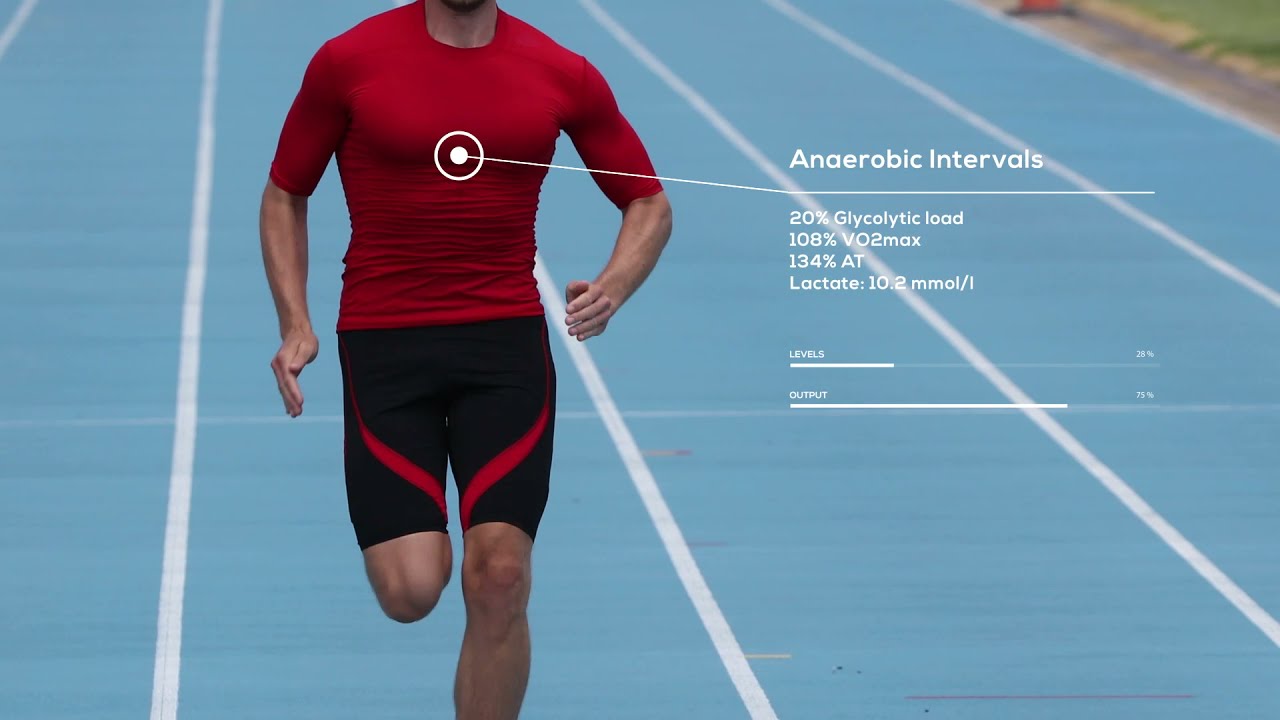
So what I'm telling you here is now when you do what we discussed previously in step number one when you do have this whole metabbody profile you can actually now create training zones first based on the metrics you're interested in. So instead of defining a training zone as a percentage of best time or the lactate concentration from whatever you know distance that was used in the test, you can go in and say hey for each individual athlete based on the individual physiology at this athlete of this athlete at this moment I want to know give me the speed or the lap time that triggers 95% V2 to max after 200 meters and freestyles with me. Boom.
You get the speed for that. Give me the speed lap time for 20% anorobic energy contribution over 400 meters freestyle. Get it?
All these things. Give me the speed that triggers 10 mill of lactate after 100 m breast dogs. Boom.
Whatever it is, whatever your training is, you can define a zone. And not only training zone, you can even define a distance and say, "Yeah, I want to do this over 200 m, 100 m, 400 m, whatever it is." Okay. And inside training zone builder will tell you exactly the speed in that specific stroke over that distance.
And then on top of that you can ask the question okay what else is going on in the metabolism. So for example you create your training zone based on lactic concentration because that's what you're used to fine but maybe you want to know what is the percentage of voax that I'm utilizing or that the athlete is utilizing here. So what is the erobic training stimulus?
So for each training zone you can ask five of those questions and say I want to know five physiological parameters. Percentage V2 max lactate concentration percentage of anorobic threshold aerobic energy contribution carbohydrate combustion lactate clearance for the recovery rates. Whatever physiological marker you're interested in you can get this for every speed over every distance you're prescribing your training.
I know it sounds crazy, but it's already in use with several swimming teams, national swimming teams and federation across the globe successfully. You can define the most individualized based on the unique physiology of an athlete training zones you can get for whatever your training regime is. It's not about the training philosophy.
You have your training philosophy and you do have the intervals you want to do and now you can understand what's actually going on during those intervals in each specific athlete based on the individual physiology and therefore understand what will likely be the training result what is the training stimulus what is the training trigger and that you can do for any training zone you want so those were the three things it doesn't take a lot in terms of you can either keep doing the testing protocol that you currently here. Or if you're not happy with that, you can design whatever training testing protocol you want, you can design testing protocols specifically for the swimmer of of concern. You can do it for you know if you have a fly sprint swimmer or a freestyle more like long or mid-dist swimmer whatever protocol you want you can use.
You will always get the same metabolic profile all the metrics the automatics VLM I'm talked about with the same accuracy. You can measure the economy and the efforts that do matter and you can get the specific training zones with the specific physiology of the swimmer for whatever distance and speed you like. I will link all that more explanations, the science behind it.
I will link all that how that works in the article here so you can take a deeper dive if you want. Thank [Music] you. Heat. [Music] Heat.
Heat. Heat. [Music]


![[Tutorial] Training Zone Builder Update](https://cdn.prod.website-files.com/69fb420749df096c7fb865ef/69fdf1e0d26c1f6fe0d4c945_maxresdefault.jpeg)


![[Tutorial] Virtual Test & Performance Projection: Compare Training Outcomes in INSCYD](https://cdn.prod.website-files.com/69fb420749df096c7fb865ef/69fdf1e2a6495029773d8211_maxresdefault.jpeg)


![Create Training Plans Like Top Coaches [5 Steps]](https://cdn.prod.website-files.com/69fb420749df096c7fb865ef/69fdf1e491172a8381d183ad_maxresdefault.jpeg)