A survey reveals three metabolic metrics athletes consistently want but rarely receive from coaches, and how providing VO2max, VLamax, and substrate utilization data increases athlete retention and program adherence.
As a sports performance coach, you’re well-versed in creating training plans and guiding your athletes to success. However, are you providing them with the metrics they truly crave? Our survey revealed that athletes are highly interested in 3 specific metrics, which most coaches often overlook. Here are these 3 metrics, along with tips on how to collect and use them to enhance athlete performance.
Help us spread the word on these essential metrics for athlete performance! Share this article with fellow coaches and athletes, and together, let’s revolutionize the way we train.
Discover how simple it is to gather these 3 essential metrics and see the significant impact they can have on both you and your athlete’s performance.
By the end of this article, you’ll learn how to collect these metrics without investing in expensive testing equipment. But first, let’s delve into the 3 metrics athletes want to know, according to our survey (completed by INSCYD users and non-users).
Over 75% of athletes in our survey expressed their interest in knowing the amount of carbohydrates they burn during training and racing. This information is vital as running out of carbohydrates can mean the end of an athlete’s performance in a race.
Do you have this data on your athlete? If so, do you share it and apply it to their sports nutrition plan?
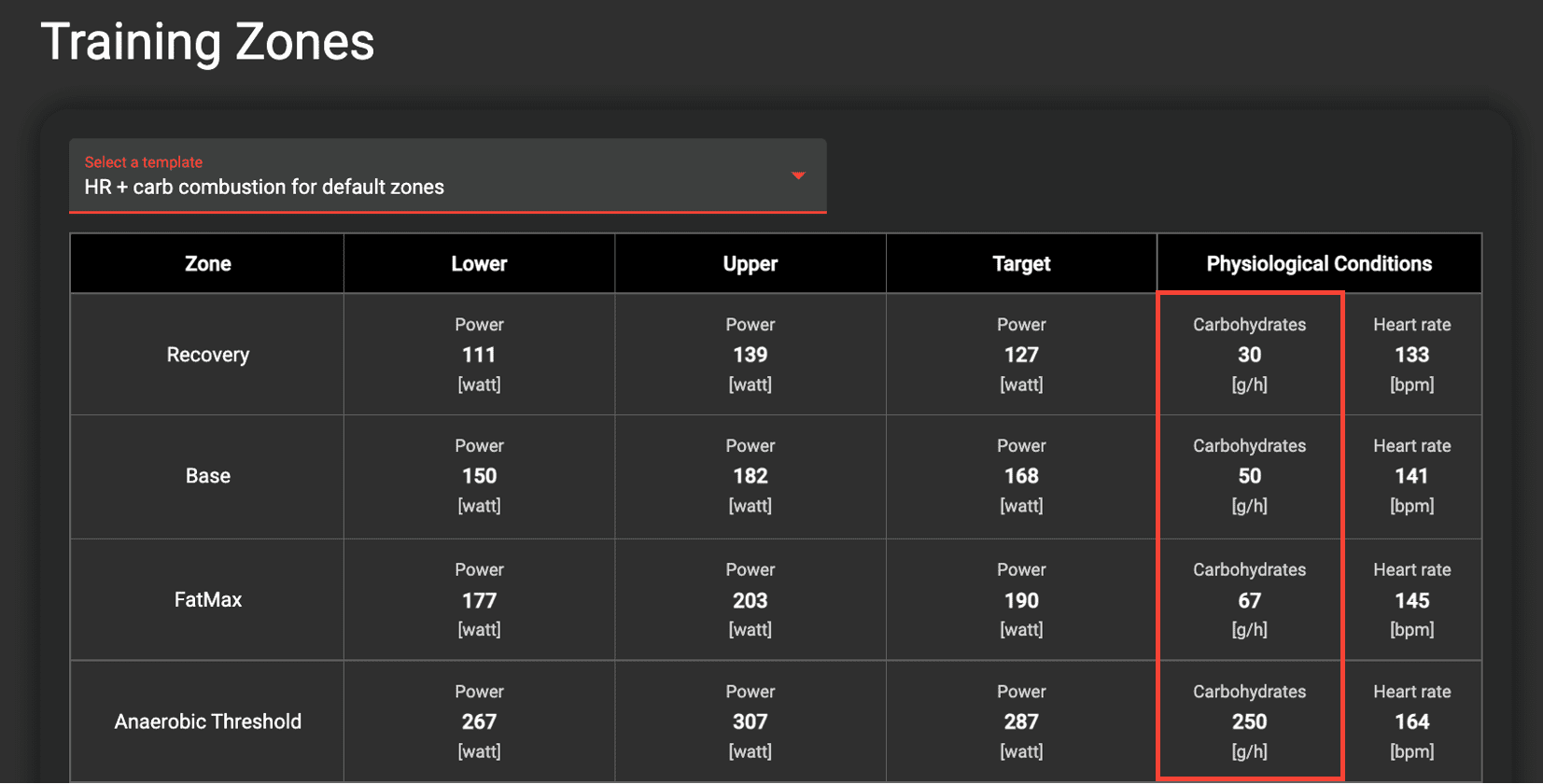
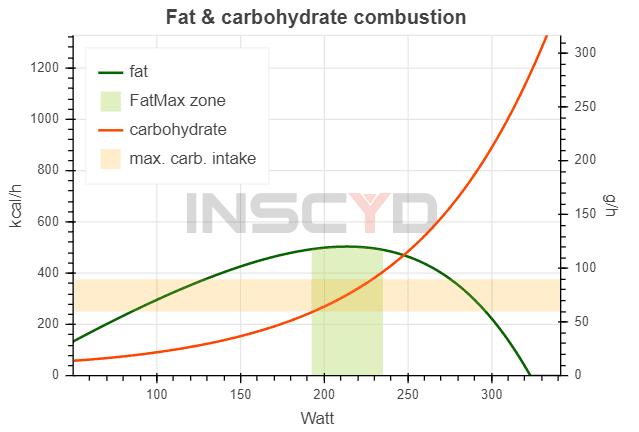
INSCYD coaches simply use the training zones to see how much carbs are burned per hour in a certain training zone (image 1). If they want to dive into the details, they use the Carbohydrate combustion graph, which is available for both power and speed/pace sports (image 2).
INSCYD coaches can easily monitor carbohydrate combustion per hour in different training zones (image 1). For a more in-depth analysis, they can use the Carbohydrate Combustion Graph, available for both power and speed/pace sports (image 2).
Understanding your athletes’ carbohydrate combustion is crucial for you as a coach. To learn more about this, read our article on How carbohydrate combustion determines pacing and fueling.
74% of athletes also want to know their fat combustion rate during training and racing. High fat combustion is associated with high endurance performance. The ability to burn fat effectively helps conserve carbohydrates, delaying fatigue in endurance events.
Some athletes may also be interested in fat combustion for weight loss purposes.
Once again, INSCYD training zones can provide the rate at which your athlete burns fat, which enables you to determine the zone 2 training intensity, used by professional cyclists. For a detailed view, use the Fat & Carbohydrate Combustion Graph:
Read our fat combustion article and download three hacks to increase FatMax: FatMax definition, training (zone), and exercise test.
Schedule a free 1:1 consultation with our INSCYD experts today in your own language and stay ahead of the competition. Our experts will help you optimize training for maximum results. Hurry, spots are limited!
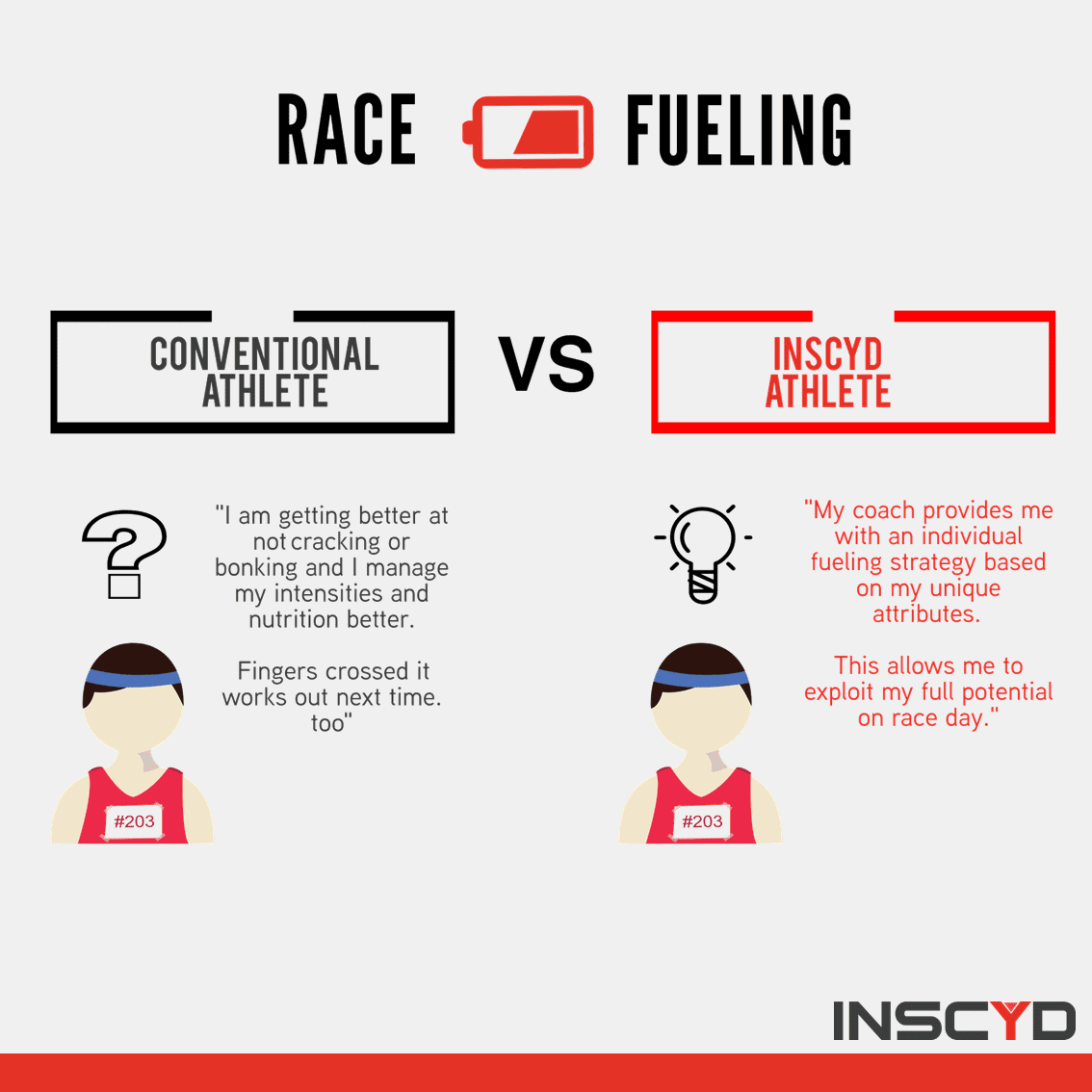
More than two-thirds of athletes want a tailored fueling strategy for training and racing.
Creating a plan is simple. Combine carbohydrate combustion numbers with the amount of carbohydrates stored in the muscles (glycogen), as provided by INSCYD, to determine the exact energy your athlete needs to consume.
Download our whitepaper and learn how to create a fueling and pacing plan.
You probably think you need a metabolic cart (VO2 analyzer) to get the carbohydrate- and fat combustion data. Indeed, this is one way to do it.
However, with INSCYD it’s possible to get the metrics with whatever test protocol you prefer, using only a GPS watch (running), or power meter (cycling), or lactate analyzer, or VO2 analyzer. Test in the field or in a lab, remote or together with your athlete. However you want to test, we make sure you get a full metabolic report with lab-level accuracy.
Differentiate yourself from coaches who are not able to give their athletes what they want to know. Start by learning more about the INSCYD test, results and pricing: INSCYD test: protocol, results, cost and more.
Understanding carbohydrate and fat combustion rates, along with creating a personalized fueling strategy, can significantly impact an athlete’s performance. Here’s how:
As a sports performance coach, your primary goal is to help your athletes reach their full potential. By focusing on these three essential metrics—carbohydrate combustion, fat combustion, and fueling strategy—you can significantly improve your athletes’ performance in sports nutrition and endurance training.
Using tools like INSCYD, collecting and analyzing these metrics becomes a straightforward and accessible process, allowing you to make well-informed decisions that lead to better results for your athletes.
If you found this article insightful, share it with your network and help others unlock the power of these crucial metrics for athlete performance. Let’s make a difference together!
With INSCYD, you can tailor training programs with unparalleled precision, ensuring your athletes achieve their peak performance faster and more efficiently.
Don’t let your athletes settle for anything less than their absolute best. Book a Free Demo with INSCYD today and experience firsthand how you can elevate your coaching game.
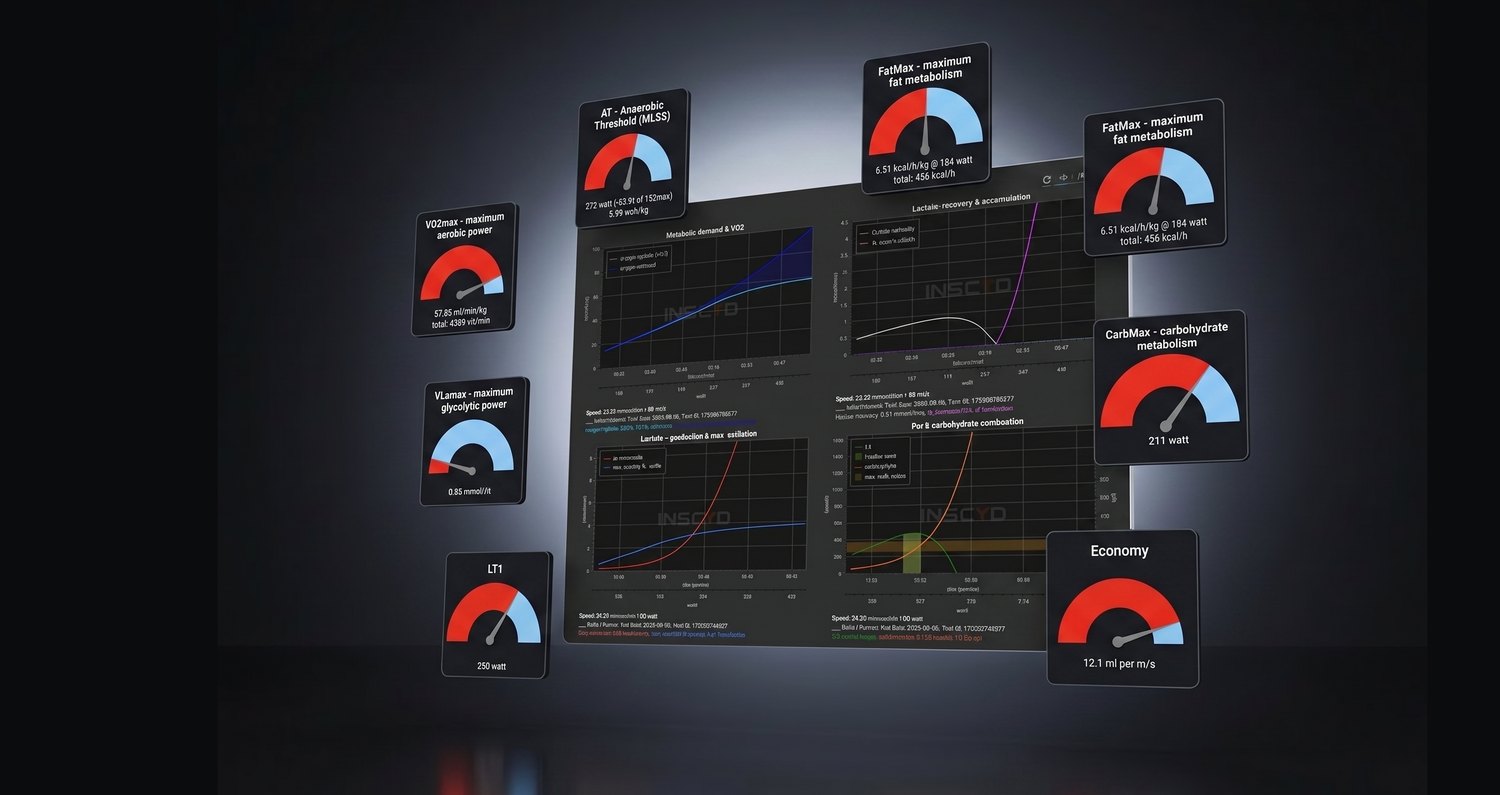
VO₂max, VLamax, FatMax, thresholds, fuel use and training zones, from a single test in the lab, in the field or fully remote.

