Five physiological metrics, VO2max, VLamax, FatMax, running economy, and lactate threshold, that predict healthspan and longevity, with practical guidance on how to measure each outside a traditional lab setting.
More and more people are waking up to a powerful truth: longevity isn’t just about living longer—it’s about living better. Staying active, sharp, and independent deep into old age has become a personal mission for millions. But slowing aging or wanting to age well is not the same as knowing how. And while fitness trackers, smartwatches, and popular health apps claim to guide us, the reality is sobering: most of the available tools miss out on providing the metrics and guidance that is really needed to improve longevity and healthspan. And because of this deficit most people—and even many professionals—are flying blind when it comes to training for long-term health.
This article is here to change that. Whether you’re someone who wants to improve your own healthspan, or a coach, personal trainer, or healthcare provider aiming to help others do the same, we’ll show you five physiological pillars that actually matter for longevity—and how to measure and train them efficiently. No hype. No guesswork. Just science-backed insights and a radically more accessible way to guide longevity-focused fitness.
We created a video that breaks the most important metrics for longevity and heals, and how a single, science-backed solution can uncover the metrics that truly matter for longevity and health.
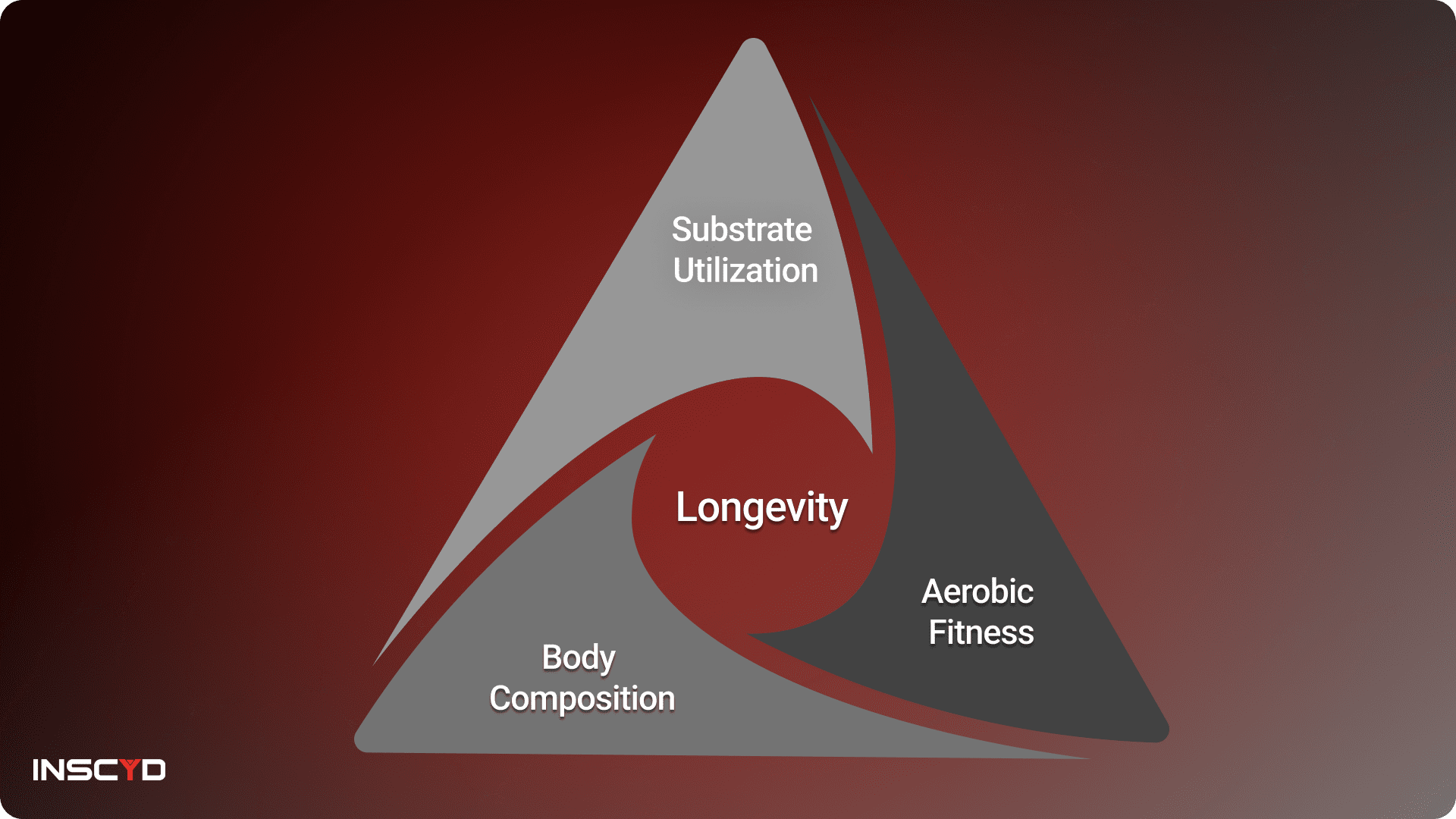
If you want to live longer—and stay healthy and independent while doing so—you need to look beneath the surface of your fitness routine. The key lies in how your body manages energy through metabolic flexibility , builds and maintains tissue, and responds to physical stress. Three physiological domains stand out as critical to longevity: substrate utilization, body composition, and aerobic fitness.
Your body’s ability to switch between burning fats and carbohydrates—a process called substrate utilization—isn’t just about fueling a workout. It reflects how well your metabolism can adapt. Poor metabolic flexibility is tightly linked to insulin resistance, type 2 diabetes, and low-grade chronic inflammation—all major drivers of accelerated aging and disease [1].
Body composition, especially the balance between lean muscle and fat mass, is another pillar. Muscle isn’t just for movement—it plays a central role in glucose regulation, hormonal health, and immune function. Too little muscle, or too much visceral fat, significantly increases the risk of frailty, cardiovascular disease, and metabolic syndrome as you age [2].
Finally, aerobic fitness—how well your heart, lungs, and muscles use oxygen—has emerged as one of the strongest predictors of all-cause mortality. Higher aerobic capacity means better mitochondrial function, improved circulation, and greater resilience against nearly every age-related decline, from cognitive dysfunction to immune fragility [3].
These systems don’t just determine how fit you are today—they shape the trajectory of your health decades from now. That’s why understanding and training them is essential if longevity is your goal.
Now that you understand the physiological foundations of longevity, it’s time to make them actionable. The good news? These systems aren’t vague ideas—they can be measured, trained, and improved. Below are five key physiological pillars that form the blueprint for any longevity-oriented training program. For each, we’ll show you the best markers used in sports science and human performance labs to assess progress and personalize interventions.
Your body’s ability to burn fat or carbohydrates for fuel should be dynamic and responsive. In a healthy, long-lived individual, this system is flexible, efficient, and adaptable.
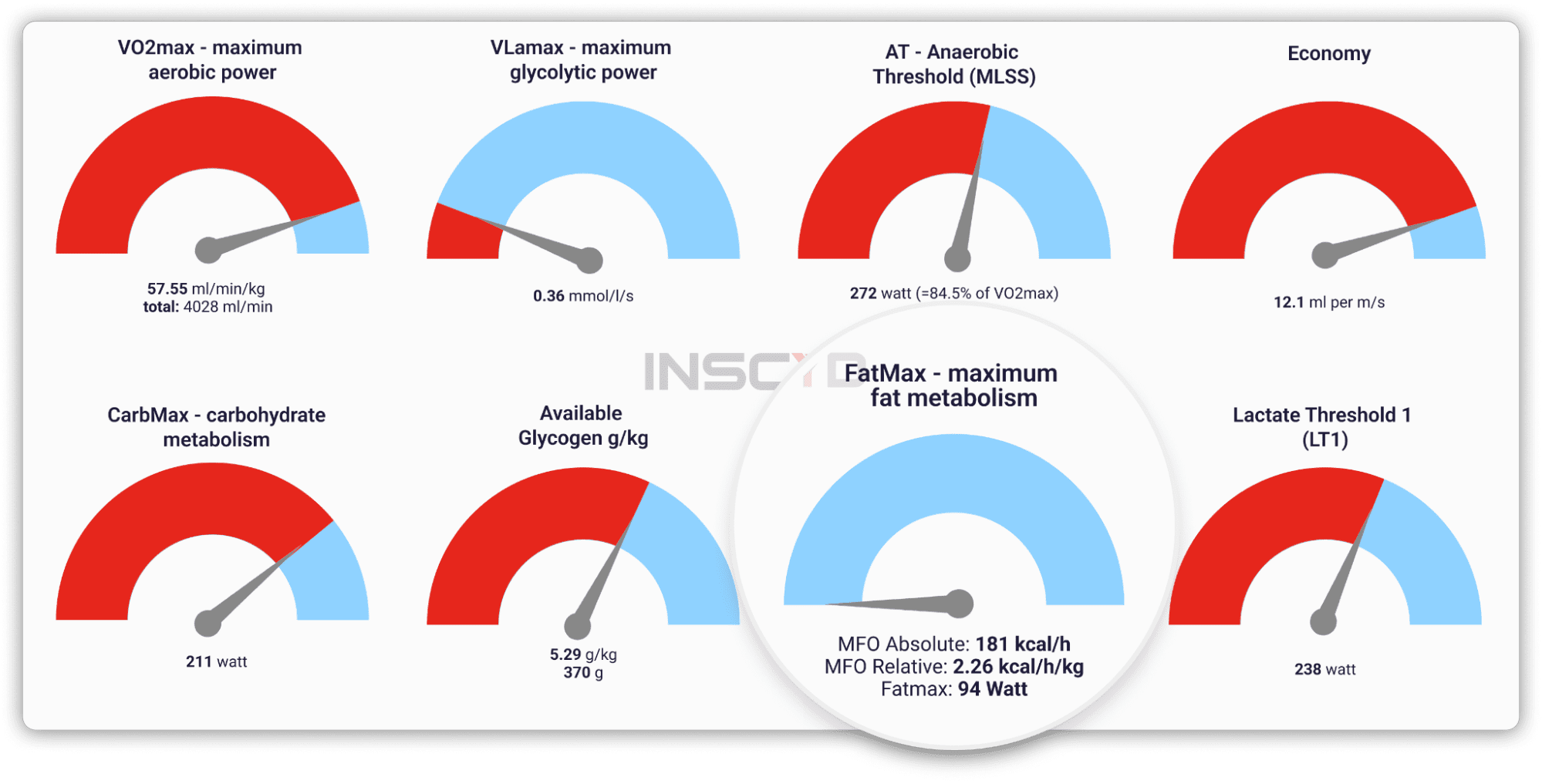
Best practice markers:
Forget body weight. What truly matters is the balance between lean muscle mass and fat mass, especially visceral fat. Healthy body composition supports metabolic health, strength, and resilience as you age.
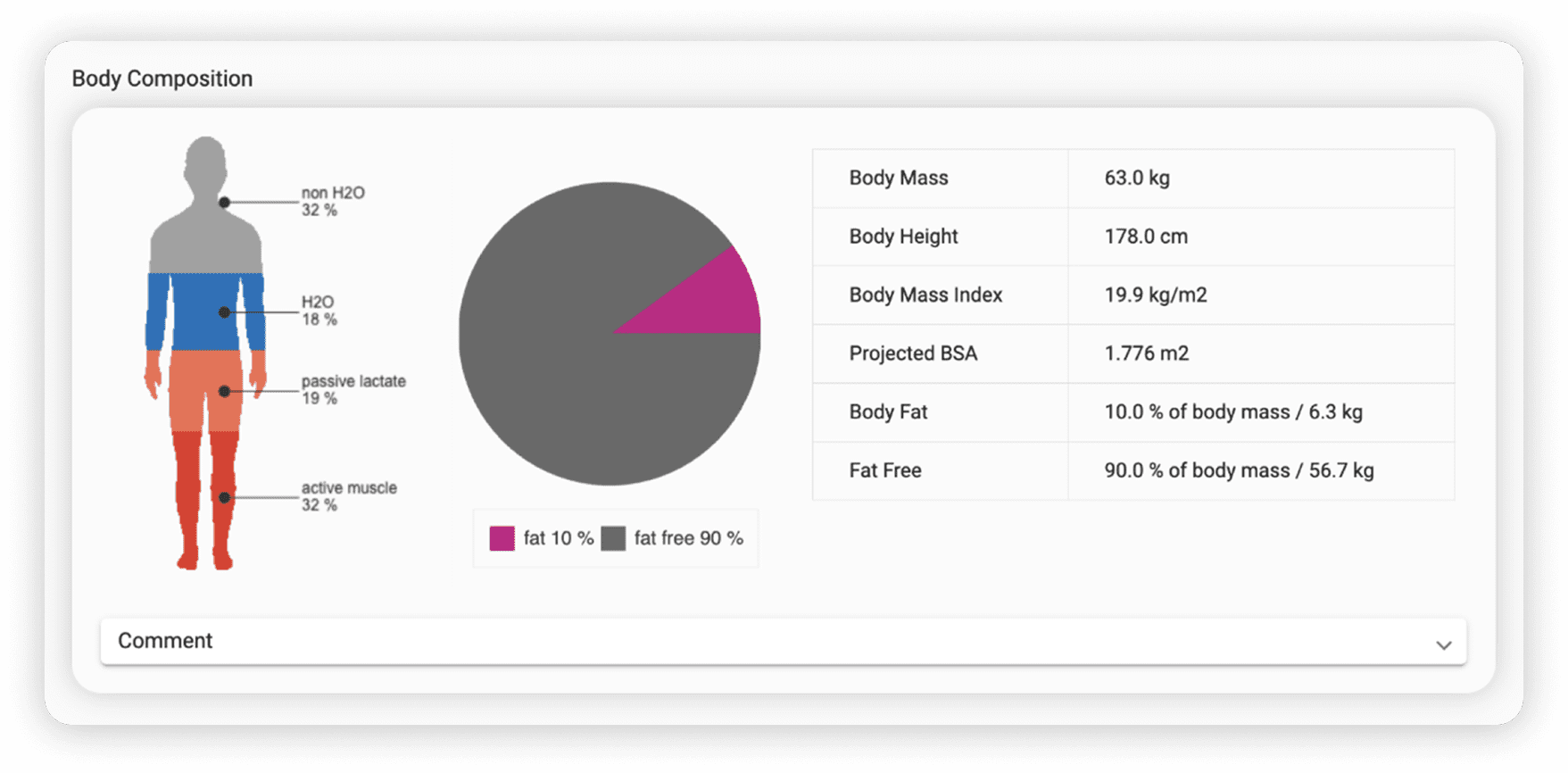
Best practice marker:
Your ability to deliver and use oxygen efficiently is one of the strongest predictors of lifespan. It reflects mitochondrial health, cardiovascular integrity, and metabolic efficiency.
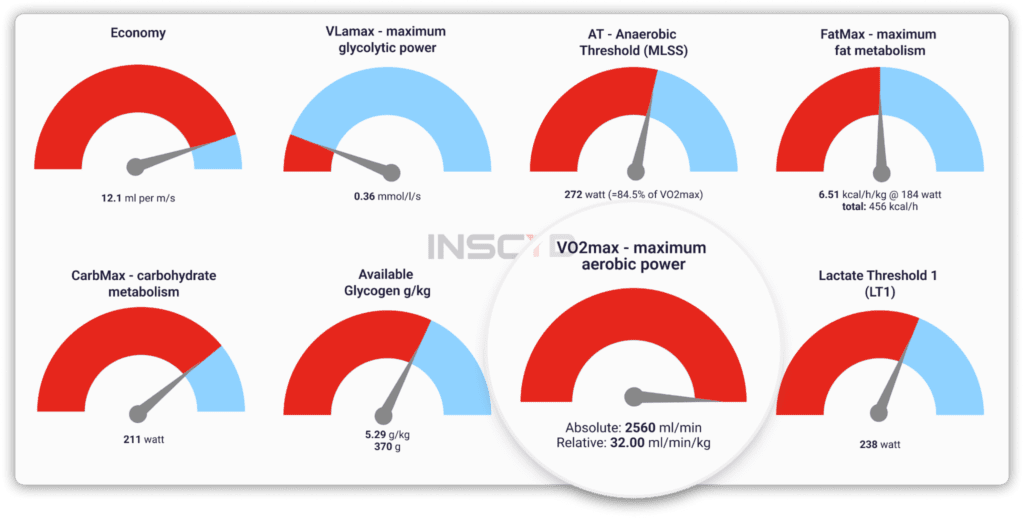
Best practice markers:
By now, you know what matters. You understand that improving fat oxidation and metabolic flexibility , building and preserving muscle, and maintaining strong cardiovascular fitness are essential to living longer and better. But here’s the problem: the tools to measure these systems—the very metrics you need to guide your training—are locked behind walls most people can’t get through.
To measure fat oxidation or metabolic flexibility? You’ll need access to a $20,000+ metabolic cart operated by a trained technician, usually in a high-end performance lab or university clinic. VO2max testing? That’s a second test, often requiring additional equipment, a separate appointment, and hours of preparation and recovery. And even if you find a facility that offers it, the costs can be prohibitive—$300 to $800 per assessment, if you’re lucky.
Worse still: these services are geographically scarce, often available only in elite athletic centers or metropolitan hubs. Good luck finding regular access in smaller cities—or using it to track your progress over time.
And what if you want to test all five pillars? Now you’re stacking tests, sessions, appointments, and invoices. Even if you’re highly motivated, time, cost, and access quickly become insurmountable barriers. Most people give up. Most professionals never offer these services in the first place. And so we’re left with a global health crisis where the most important physiological metrics for long-term health are invisible to nearly everyone.
But here’s the good news: there is a better way.
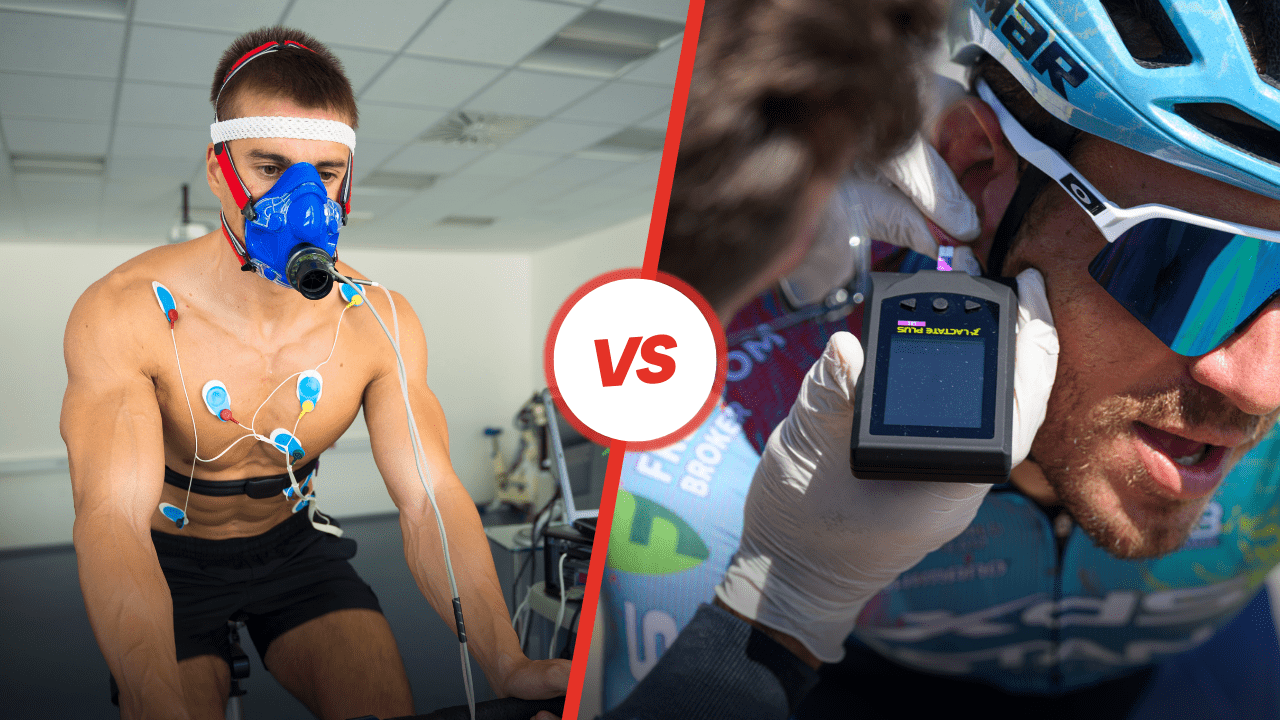
What if you could measure all five physiological pillars in one single test, in under 30 minutes, without needing expensive lab equipment or complex protocols? That’s exactly what’s now possible—not with conventional lactate testing, but with a next-generation approach that redefines what lactate analysis can do.
Lactate is no longer just a marker of exhaustion. It has emerged as a key player in cancer research and is increasingly recognized as the fulcrum of energy metabolism [4]. It reflects how your body produces, utilizes, and regulates energy—across fat and carbohydrate metabolism, aerobic and anaerobic systems. With advanced lactate profiling during a structured exercise test, we can extract powerful insights into fat oxidation, metabolic flexibility, and cardiovascular efficiency—all from a handful of lactate data points.
When combined with a simple, low-cost body composition measurement, this modern approach to lactate testing provides a complete view of the five most critical physiological domains linked to longevity:
And the best part: the cost of equipment has dropped from ~$20,000 for a full metabolic setup to under $500 for everything needed to run these tests. The test itself takes less than 30 minutes. No labs, no technicians in white coats. Just science-grade diagnostics that can be offered anywhere—in gyms, by personal trainers, in health clinics, or as part of mobile setups.
This is how we make longevity-focused fitness accessible. Lower cost. Less time. Wider reach. Let’s democratize diagnostics and bring next-level health data to everyone who wants to train for a better future.
We get it—being able to assess so many critical aspects of health and performance in one short, low-cost test might sound unrealistic. That’s why, in the next steps, we’ll walk you through exactly how this works. One domain at a time. Clear, simple, and grounded in science.
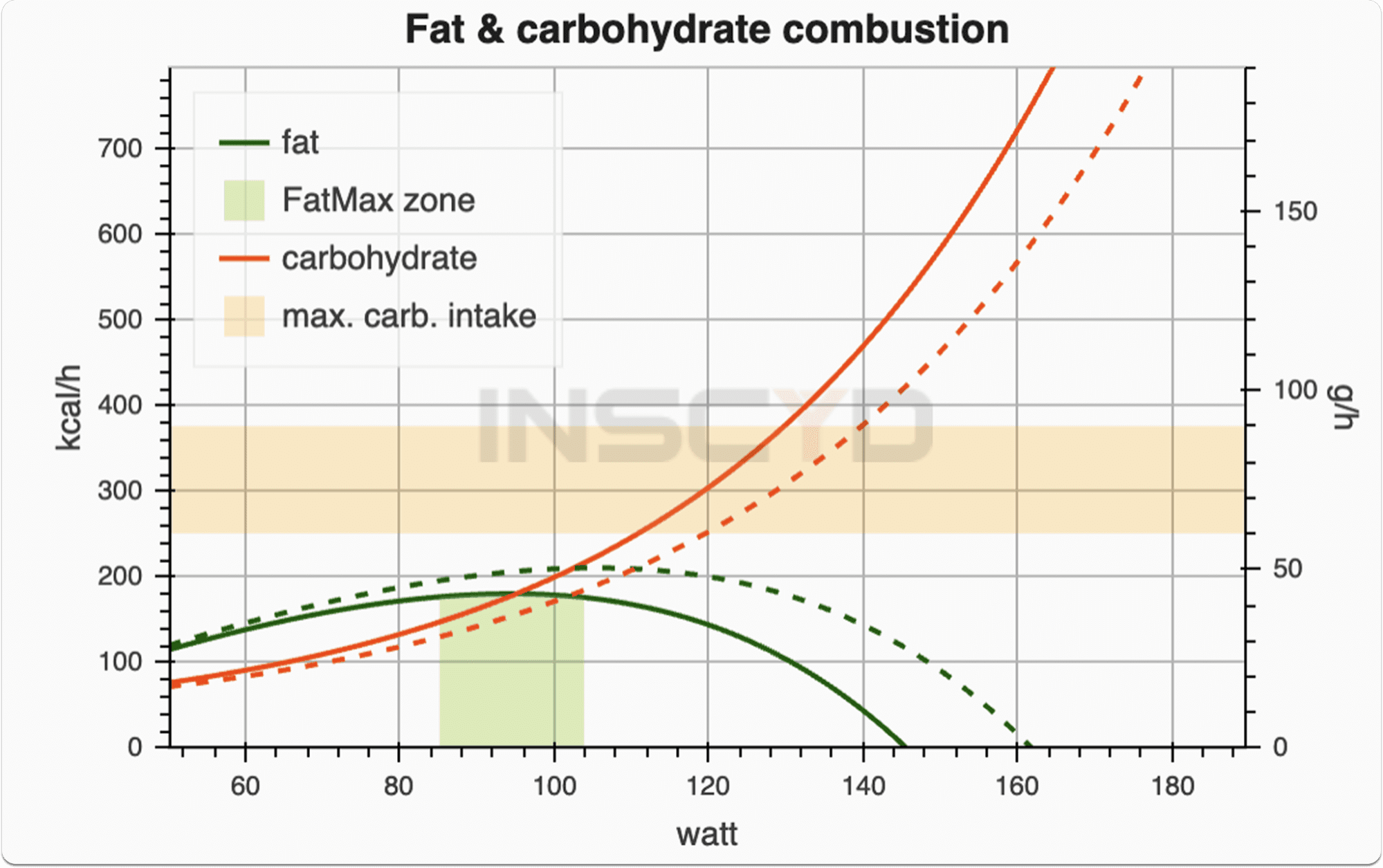
With the right technology, a simple 20–25 minute exercise test can now reveal how your body uses fat and carbohydrates for energy—and how that changes with exercise intensity. This tells us two incredibly important things:
So how does it work? Here’s the high-level explanation:
When you exercise, your body produces a substance called lactate. It’s created whenever you break down glucose for energy. The more glucose you burn, the more lactate you produce. At the same time, your body is also clearing and reusing lactate—especially when it’s burning fat.
With advanced software and new science, we can now decipher how much lactate is being produced versus how much is being burned—not just the concentration sitting in your blood. And that opens up a whole new world.
Because:
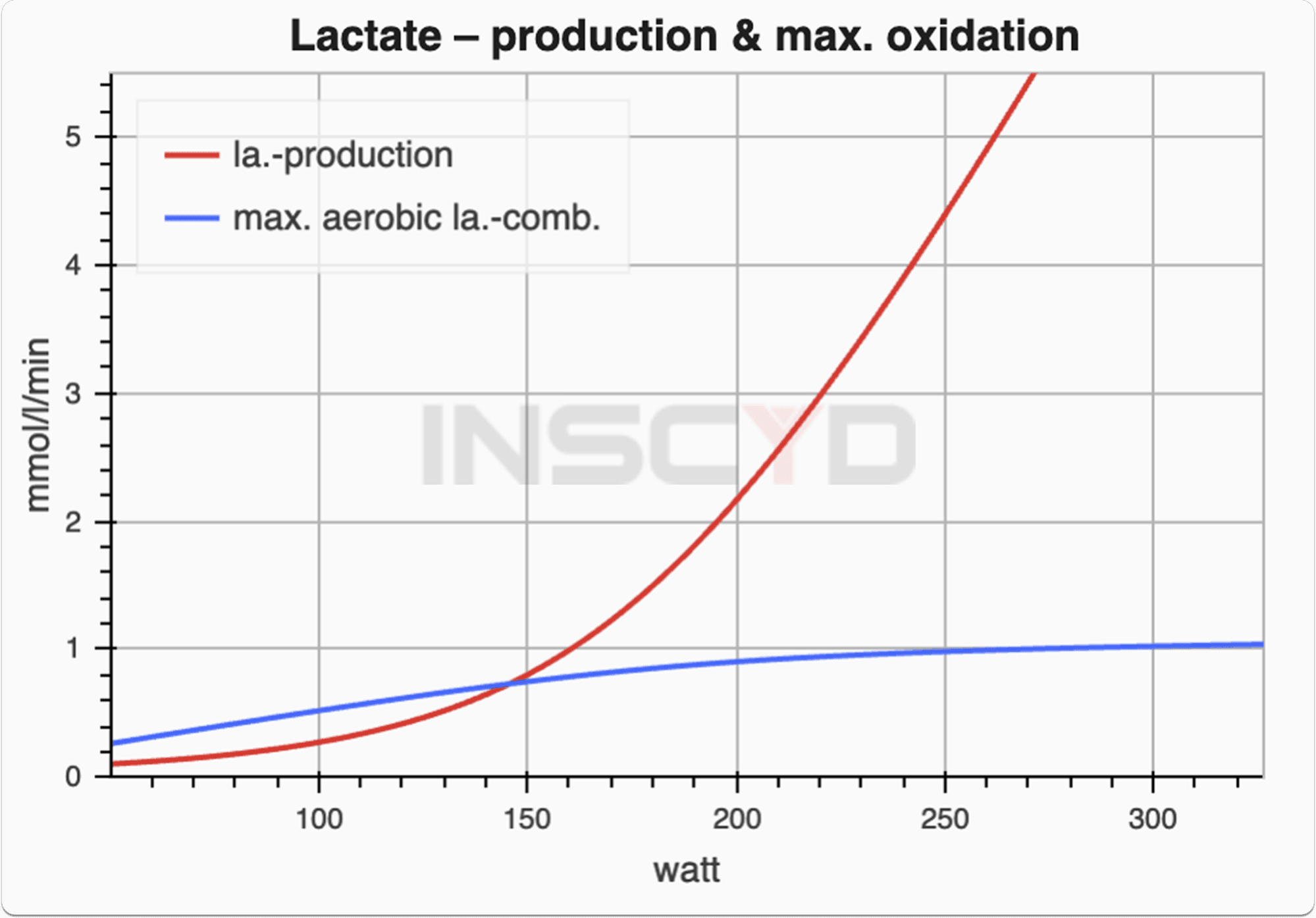
This is possible because lactate plays a regulatory role in your metabolism. It interacts with key enzymes like PDH (Pyruvate Dehydrogenase), which act as traffic lights for fuel use—controlling how much fat can enter the energy system when carbs are also present [4].
By running a structured, affordable longevity fitness test using lactate profiling , we can now map out your entire fuel usage curve—just like a metabolic cart would. Only faster, simpler, and at a fraction of the cost.
Training at Your MFO = Maximum Fat Loss Efficiency
Knowing your MFO allows you to train at the exact intensity where your body burns the most fat. This is not guesswork—it’s measurable. Research shows that training at this intensity is one of the most effective strategies for reducing body fat. (More on that below.)
Metabolic Flexibility = Long-Term Health & Resilience
Your ability to switch smoothly between fats and carbohydrates isn’t just about performance—it’s a marker of metabolic health. Poor metabolic flexibility is linked to insulin resistance, type 2 diabetes, and increased disease risk. Enhancing it through targeted training improves how your body handles energy—at rest, during exercise, and as you age.
You don’t need a hospital-grade scanner or a trip to a lab to understand your body composition. We’ve identified a non-invasive device, validated in a recent meta-analysis [11], that provides reliable and accurate body composition data—and it sells for less than $250. The device? The Tanita BC-545N.
Combined with advanced software algorithms, this 2-minute test gives you everything you need:
It’s fast, affordable, and field-proven. In fact, this exact approach has been used over the past three years by elite sports organizations around the world, including those working with Olympic athletes. Its results have been benchmarked against gold-standard tools like DEXA scans and Bod Pods—and consistently shown to deliver data within the same standard of reliability.
Muscle is metabolic gold.
As you age, muscle mass becomes one of the strongest predictors of quality of life, metabolic health, and even mortality risk. More muscle means better glucose regulation, higher strength and mobility, and lower frailty risk.
Fat distribution affects disease risk.
Monitoring body fat—especially visceral fat—is essential for reducing the risk of cardiovascular disease, type 2 diabetes, and inflammation-driven aging.
Tracking body composition over time guides smarter training.
If you’re training to improve your fat oxidation (MFO), lose body fat, or build muscle, you need to know what’s actually changing. Pairing this with your fuel usage profile (from lactate testing) gives you real-time feedback on whether your training and nutrition are working.
When it comes to predicting how long—and how well—you’ll live, aerobic fitness stands above all else. The most reliable marker of this is VO₂max, your body’s maximum ability to take in, transport, and use oxygen during exercise. And the research is overwhelming: VO₂max is the single strongest predictor of lifespan among all physiological measurements. Higher VO₂max = lower all-cause mortality. It’s that simple.
Unfortunately, wearables can’t measure it accurately, and the only gold-standard method available has been a metabolic cart test—which, as we’ve already discussed, is expensive, time-consuming, and geographically limited.
But here’s the breakthrough:
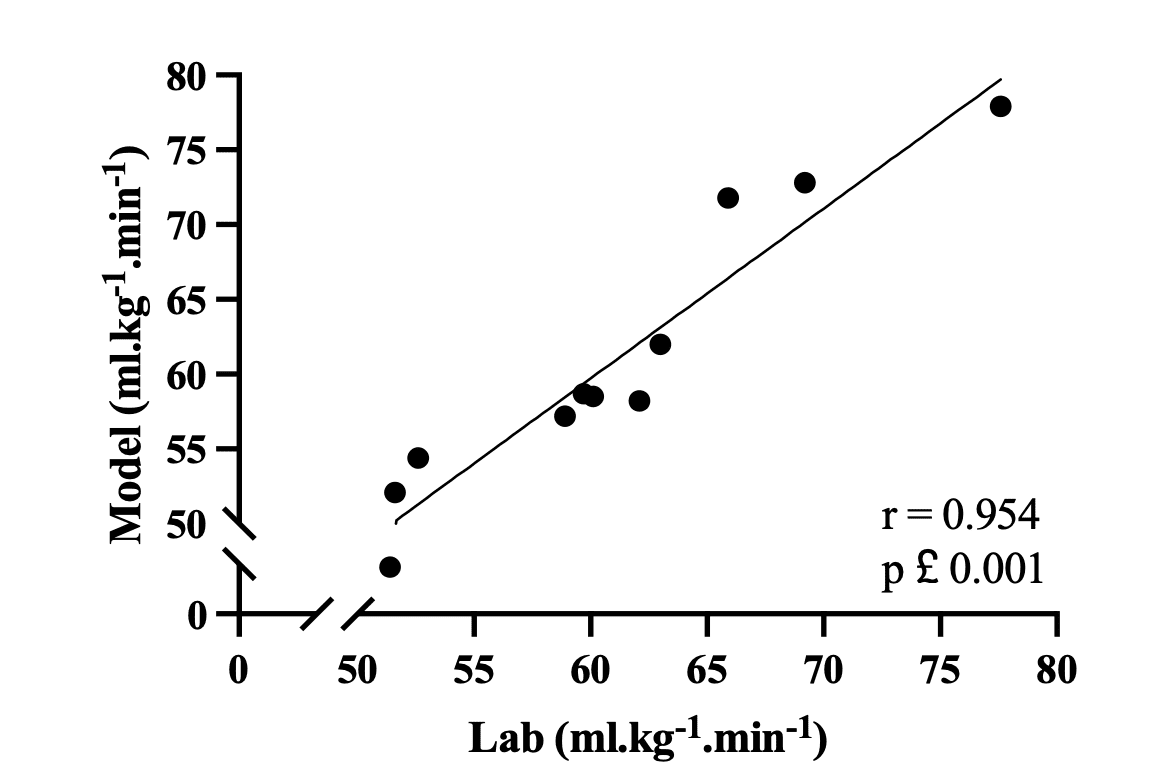
By combining heart rate and lactate measurements in the same 20–25 minute incremental test we already use for substrate utilization, we can now determine VO₂max with lab-level accuracy—no gas exchange equipment required.
This isn’t a marketing claim. The software platform used—INSCYD—has been part of peer-reviewed scientific studies comparing VO₂max values derived from lactate testing with those from metabolic cart testing. The result?
The difference in VO₂max between INSCYD’s lactate-based method and a traditional lab test is smaller than the natural variation seen between two repeated metabolic cart tests themselves.
In other words: you get metabolic cart accuracy—without the costly cart.
And That’s Not All
During the same test, we can also calculate your PWC150—your physical work capacity at a heart rate of 150 bpm. By integrating heart rate data, and converting running speed (or cycling/rowing, etc.) into power output, this value becomes a universally comparable fitness metric, regardless of exercise modality.
VO2max is the strongest physiological predictor of how long you’ll live.
Improving it has been shown to dramatically reduce risk of cardiovascular disease, dementia, and even cancer. Tracking it should be the north star of any longevity-focused training plan.
You can now measure it accurately, affordably, and repeatedly.
No need for lab appointments. No need for expensive machines. Just a short, structured test that also gives you all the other metrics—MFO, metabolic flexibility, fat and carb usage, body composition, and PWC150.
It turns gyms, coaching studios, and performance centers into precision health hubs.
When this kind of insight becomes widely accessible, it’s not just personal—it’s a shift in how we train for long-term health. And that’s exactly what we need.
This longevity fitness test is the simplest way to unlock the physiological data that truly drives long-term health.
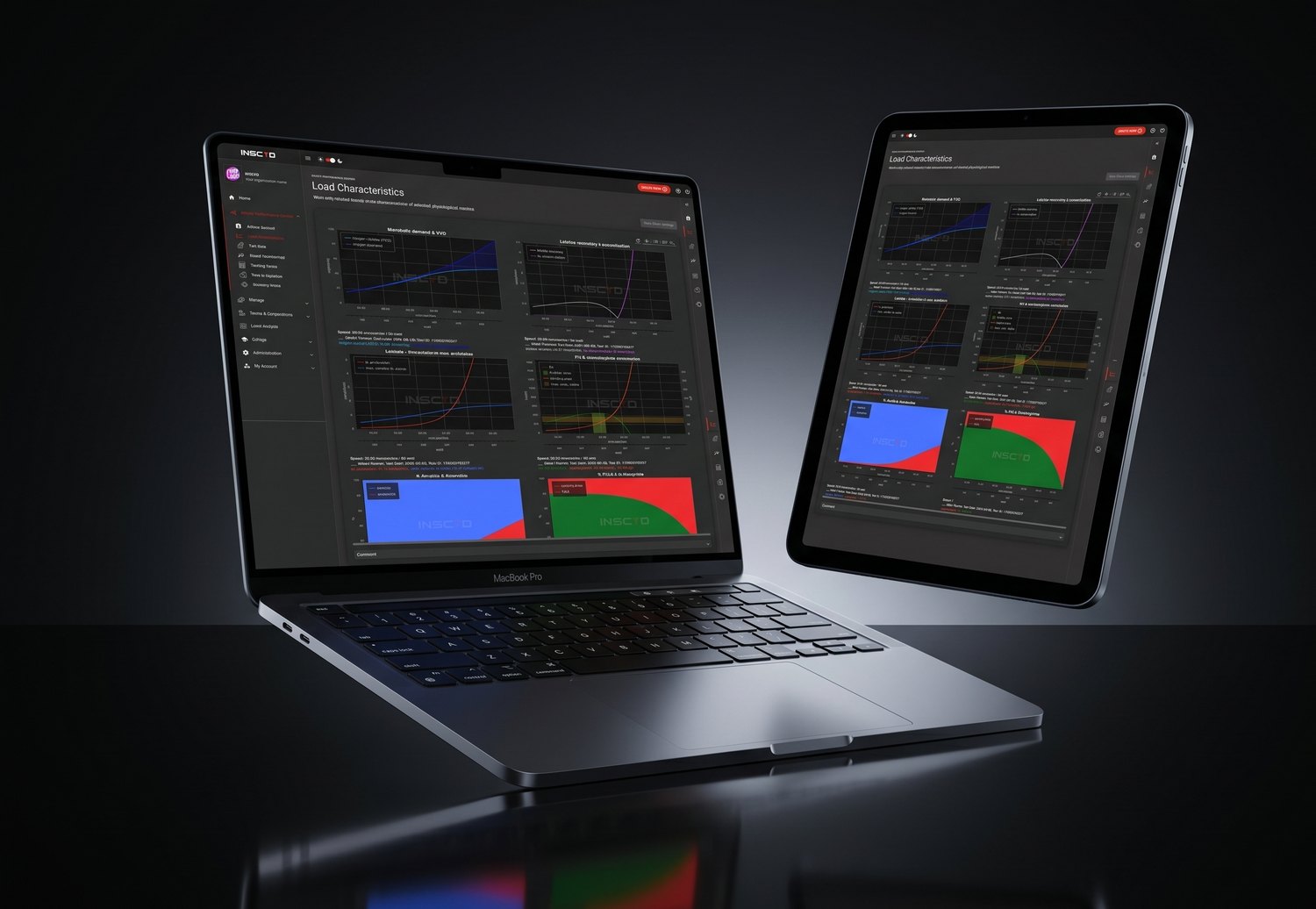
INSCYD doesn’t just give you numbers—it gives you a plan. The metrics you’ve just seen aren’t the end goal—they’re the starting point for smarter, more effective training that’s built entirely around your unique physiology.
Fat Loss Optimization — Personalized MFO Zones
INSCYD identifies the exact intensity (speed, power, heart rate) at which you burn the most fat: your Maximum Fat Oxidation (MFO) zone. This allows you to train at the most effective intensity for reducing body fat—no guesswork. You’ll also get your total energy expenditure and carbohydrate burn at that zone, so you can align your nutrition with your training for even greater results.
Why does this matter? Research shows that the most effective way to improve VO₂max is:
INSCYD calculates exactly what intensity (power, speed, heart rate) gets you into those zones—for any interval duration you want to use. No more trial and error. Just training at the right intensity to drive results.
Progress Tracking Made Easy
INSCYD also tracks your metrics over time—like body fat, muscle mass, and PWC150—so you can clearly see what’s improving, and when it’s time to adjust your strategy. It’s your personal performance lab—optimized for precision, designed for accessibility, and built to elevate your longevity training.
Because in a world where time is limited, training efficiency isn’t a luxury—it’s a necessity.
Ready to begin? If you’re not yet using INSCYD, book a free demo to take the first step toward integrating physiology-based training into your performance testing and coaching.
And if you’re an athlete, find an INSCYD-certified coach or lab.
Stop guessing. Start using real physiological data to individualize your clients training and drive consistent progress.
[1] Goodpaster, B. H., & Sparks, L. M. (2017). Metabolic Flexibility in Health and Disease. Cell Metabolism, 25(5), 1027–1036.
[2] Srikanthan, P., & Karlamangla, A. S. (2014). Muscle Mass Index as a Predictor of Longevity in Older Adults. The American Journal of Medicine, 127(6), 547–553.
[3] Laukkanen, J. A., Zaccardi, F., Khan, H., Kurl, S., Jae, S. Y., & Rauramaa, R. (2016). Long-Term Change in Cardiorespiratory Fitness and All-Cause Mortality: A Population-Based Follow-Up Study. Mayo Clinic Proceedings, 91(9), 1183–1188.
[4] Brooks, G. A. (2020). The Science and Translation of Lactate Shuttle Theory. Cell Metabolism, 31(2), 210–218.
[5] Donovan, C. M., & Brooks, G. A. (1983). Endurance Training Affects Lactate Clearance, Not Lactate Production. American Journal of Physiology-Endocrinology and Metabolism, 244(1), E83–E92.
[6] Patel, M. S., Nemeria, N. S., Furey, W., & Jordan, F. (2014). The Pyruvate Dehydrogenase Complexes: Structure-Based Function and Regulation. Journal of Biological Chemistry, 289(24), 16615–16623.
[7] Midgley, A. W., McNaughton, L. R., Wilkinson, M., Leach, G., & Jones, A. M. (2006). Exercise Intensity During Interval Training for Maximum VO₂ Improvement: Time Spent at >90% VO₂max is a Critical Determinant. Journal of Sports Sciences, 24(1), 85–95.
[8] Seiler, S., & Tønnessen, E. (2009). Intervals, Thresholds, and Long Slow Distance: The Role of Intensity and Duration in Endurance Training. Sports Science, 13(3), 52–61.
[9] Podlogar, T., Cirnski, S., Bokal, Š., & Kogoj, T. (2022). Utility of INSCYD Athletic Performance Software to Determine Maximal Lactate Steady State and Maximal Oxygen Uptake in Cyclists. Journal of Science and Cycling, 11(1), 30–38.
[12] Chula de Castro, J. A., de Lima, T. R., & Silva, D. A. S. (2018). Body composition estimation in children and adolescents by bioelectrical impedance analysis: A systematic review. Journal of Bodywork and Movement Therapies, 22(1), 134–146
VO₂max, VLamax, FatMax, thresholds, fuel use and training zones, from a single test in the lab, in the field or fully remote.

