Webinar: From Training to Victory: Strategic Planning for Championship
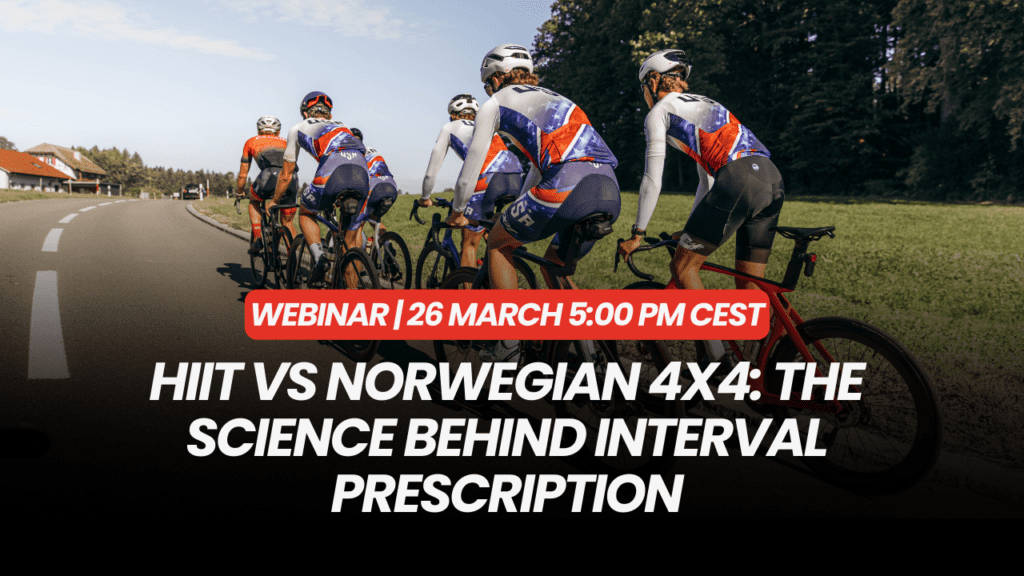
Join us for an exclusive webinar where we'll delve into the secrets behind Team Sportforum 's success in the 'Rad-Bundesliga' opener in Schweigen.
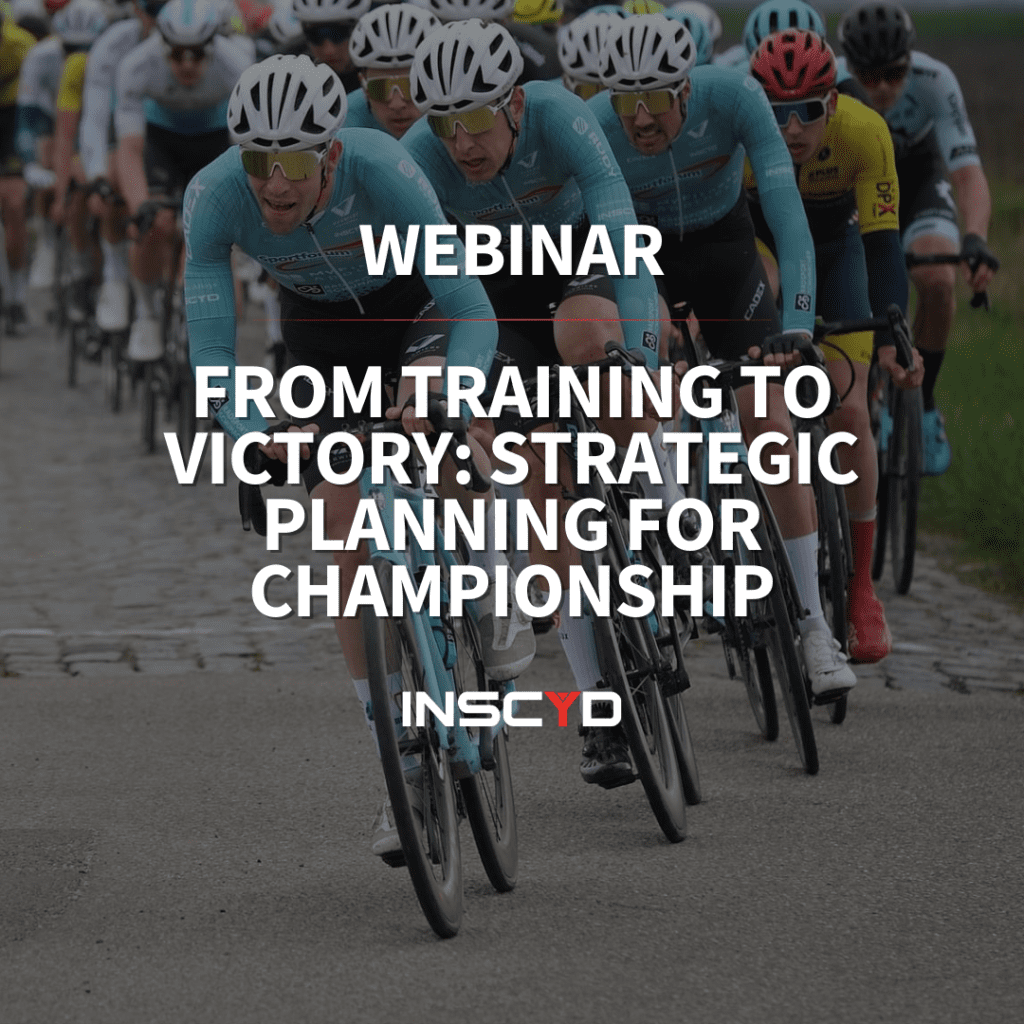
Join us for an exclusive webinar where we’ll delve into the secrets behind Team Sportforum‘s success in the ‘Rad-Bundesliga’ opener in Schweigen.
Guided by Luke Derksen, Head of Performance, we’ll discuss the strategies and methodologies employed to elevate the team to the status of the best amateur cycling team in Germany. Learn from their real-world experiences and implement them to train or become a champion.
Whether you’re an athlete, coach, or team manager, this webinar will provide a comprehensive overview of the strategies and planning that can take you from training to victory.
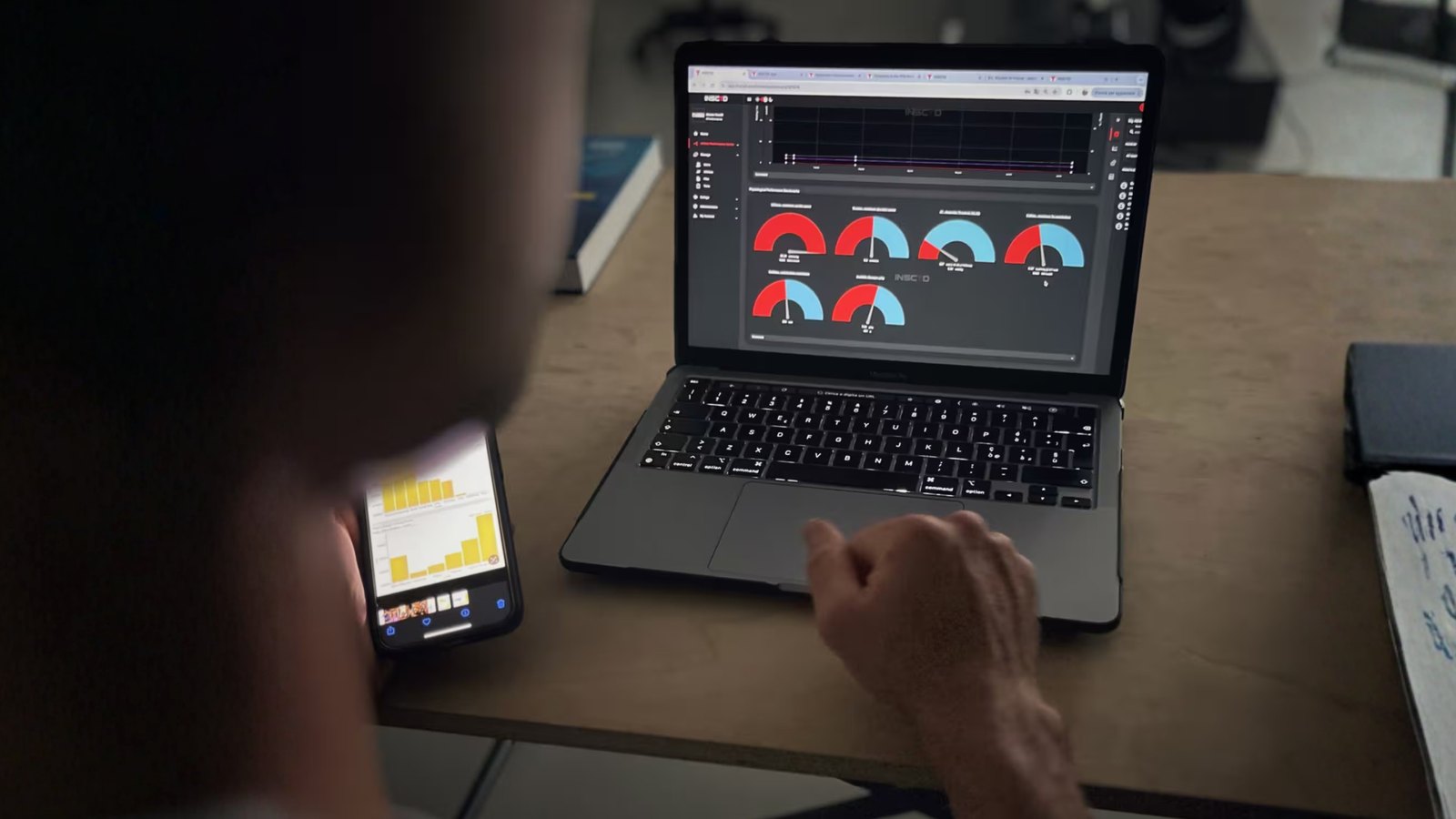
For an in-depth understanding of the Team Sportforum’s journey and how they use INSCYD, we recommend reading our blog post which details the team’s talent development, race strategies, and how they implemented INSCYD in their training routine.
Agenda:
- The Art of Long-Term Planning: An Overview of Squad Management and Training Periodization
- Unlocking Success in the Mid-Term: Insights from Our Team Camp and Effective Testing of Nutrition and Material
- Mastering Short-Term Planning: A Deep Dive into Route Study, Weather Forecasting, and Scenario Analysis
0:00 Thank you. Thank you. Thank you.
1:30 Thank you.
2:00 Thank you.
2:30 Thank you.
3:00 Thank you.
3:30 Thank you.
4:00 Thank you.
4:30 Thank you.
5:00 Thank you.
5:30 Thank you. Thank you. Thank you. Thank you. Thank you. Thank you. Thank you. Thank you. Thank you. Thank you. Thank you. Thank you. Thank you. Thank you. So, I will think that we can start now. Thanks for joining. Welcome to the webinar about, yeah, kind of our story about the team. And I hope you can all hear me. And then let's start into into my slides. And yeah, first of all, I think I will get to use the stories, the input around 30 minutes, not longer, and then we can make a Q&A if there are questions from you or something other stuff.
6:36 We can do that after the input. So, yeah, let's start. Yeah, first of all, maybe about me and the team. My name is Luke Derksen. I'm 28 years old, based in Dortmund in Germany. I'm head of performance at Team Sport Forum powered by my fitness apotheker. That's the first word wrong. The team base is in Wittgen, Germany. Maybe somebody of you knows it because there's a track since a long time. I'm in the team since 2018. I joined the team as a rider and I'm now in the role of head of performance and head coach.
7:24 But it's quite one thing. But I'm not the only coach. We have a coaching team. It includes me. It includes Mr. Dr. Lars Langner and Thomas Koepp. So we are three coaches to coach our riders. And then we have our team chef, Mr. Lars Witte, just to mention. And okay, so quick, quick intro about us and who we are. And then let's hop into the story. Yeah, we have three big topics like you maybe saw in the webinar subscription. We have some kind of long term planning.
8:13 It's squad management and winter planning or periodization. We have the team training camp as a midterm planning point with testing riders nutritional material. And then we have, of course, our short term planning. This is a route study, weather forecasting, special scenario tactics and the outcome. We're talking about the Radbundesliga opener this year in Schweigen. So it's the National League in Germany. It was the first race of the year in that series. And we were pretty, yeah, pretty successful in that race. And that's why we're talking about our story, including what gains we had from inside.
9:03 And yeah, let's start with the long term, with the long term planning. So squad management, we have some kind of performance grid and our rider hates for you. So that is just for example, it's not all riders, but it's mostly all riders. And it's that are the riders riding for us this year. So it's after the point of recruiting new riders and so on. And what you can see here is that we have a really more classic style squad. So even in November, yeah, we knew that maybe the really, really tough races are too hard for us.
9:53 We have quite a huge amount of riders with a good absolute threshold power, but relatively it's not that much that you can play with it in the hill, in the climbs, maybe. So yeah, that's the classic style races that suit us the most. And yeah, you see it with the rider hates. We have really a small amount of small riders, including me, for example. And then we have some, yeah, six guys over 185 and I think two or three above 190. So pretty big guys. And that was the first point.
10:42 We knew that we should have an eye on the German league opener. We knew pretty, pretty early that it will be the race in Schweigen. The race in Schweigen took place in 2022 for the first time in the league series, I think. And yeah, it was, it was mentioned that it could be slightly harder than last year and that it is much earlier in the year. So, so we had it, we had an eye on that race. And yeah, then it was the first race. It was expected to be mid to late March.
11:27 I think it was around 20th of March then at the end. And we planned the team camp for February. And yeah, so our conclusion, even November was that the estimated squad that we are planning to bring for Schweigen needs to be in a quite good shape when we're heading to Spain in February to really work with them and to bring them in shape. Because we didn't have so much races before. I think we did Stefan Zwolle and the Gans Darden in Belgium, but it was for us as an amateur team, it was pretty early in the season in the middle or at the end of March.
12:14 So we knew we had to do something over the winter period and to make sure that they are fit. Yeah. Then the winter planning, the general aim, I mean, we all knew that is to improve the athletes generally throughout the winter. So we discussed within our trainer team, within our coaches team, what is maybe the golden way for a certain athlete. I brought you an example here. We had an athlete who was quite, who has quite low numbers coming out of winter break with the VO2 max below 70.
13:02 And so I don't know if you can see it that good, but before the race in Schweigen, he had a V2 max of somewhat below 78. So it's quite a huge, huge performance gain, but it's it's quite individually. So we have riders that are pretty, pretty in good shape coming out of a longer break. And on the other hand, we have rider who, who has that kind of up and down in their performance after a bigger break. But it's, it's relatively fat. That's up to pace again.
13:44 So this is just an example for that. I have the fat and carbohydrate combustion shot from inside for you. You can see clearly the dotted line you see is from the test we made mid March. I think it was just before the race the week before or something like that. And yeah, here we see a quite huge performance gain. But yeah, I think we shouldn't over overthink that part now. My tip for everyone is don't overdo it in the winter period, because I think many athletes, especially when you have really big early goals, can overdo it.
14:34 And we have to do it because it's really cold in Germany, for example, or in the middle of Europe and sometimes less or small. But we knew we have to operate at the upper end with the athletes who needs to be fit at the start of the season. So I brought you another example for what you can do over winter period. Here we have different numbers. We had a really young athlete coming from junior ranks. We knew that he can be fast, but we also knew that he have some problems when the races are longer than two hours.
15:15 And I think nearly every race we do is pretty much longer than two hours. So we thought, OK, what can we do? And here is our way was to say, OK, let's use the winter period to try to reduce your VLA max. And quite surprisingly, it went very well with this athlete as VLA max remained nearly the same. I think it's something that we can work on now. But the VLA max nearly dropped one tenth from 0.65 to 0.57, if I see it correctly. And it is not that big performance gain we thought in the example earlier.
16:04 But for the athlete, it was a big performance gain because he is now more able to finish the longer races and to have the benefits of racing them. So we expect him to be much better next year and the second year. And we always try to give young guys the time to evolve because clearly not everyone is like Tadej Pogacar or Remko or Van der Poel who are good from the start in the elite class. So, yeah, that's what we do. I think that was probably what I wanted to tell about the long term planning.
16:58 Now let's take a deep dive into our midterm planning and the team training camp. Yeah, like mentioned earlier, we tested riders, nutritional material. The most interesting part here is maybe nutrition for us. But first of all, we tested our riders. So basically like maybe you all know it's in warmer environments. You do probably more endurance training with all riders in a training camp. The spirit, the morale is high. You can ride longer. You have time for that now because many of our riders are working and riding and it's altogether sometimes a bit time crunchy.
17:51 So, yeah, the main aim is, of course, endurance training, longer training, right? But for the Schweigen riders, we had to do harder efforts, sometimes race like efforts. And we coupled that efforts with the nutrition testing part. I will dive deeper into that in the next slide. And what we also did was some kind of sprint training. We don't really have a poor sprinter we can rely on or we ride for in the races. But in my opinion, the sprint training, especially in those training camps are really great thing for communication, for bringing the squad together, working together and learning a bit more of everybody.
18:44 Yeah, when they do it. So I think that was quite a good thing that these estimated squad work together already in the training camp. Yeah, testing nutrition. We had a new nutrition partner with Squeezy and we tested all the products. Yeah, we get from them with all riders in the training camp to check if anything just don't work. If anyone doesn't like the tasting or whatsoever. And but more interestingly, we tested high carb intake with the riders. We implemented it over the winter period with all riders because we think it's you have to train to do 100 grams for an hour.
19:43 So if you maybe a few years ago, if you do your rides solely on water and you you just eat and eat and eat in the races, most of the people really get problems with their tummy. So, yeah, we tested it and trained it a bit, but we tested this in the training camp with the new nutrition we had with and without heavy training loads. So we firstly did around 80 on a really long ride. I think they did around seven hours or so to check if there are major issues anyone have and everything was fine.
20:28 And then we did it with heavy training load and there was the first problem. We discovered one one rider had really big stomach problems. And then we tested that the last point here. Another energy powder from from squeezy we had with us without fructose. And then it went away. So it's really good to know to to know it before the races, because yeah, would be would be pretty a shame if you lose a race because you didn't know that kind of stuff. And yeah, the exactly the same we did with 100 grams.
21:16 I think nearly every rider told me afterward that it is that it's a pretty, pretty thin, thin road you you ride on. So if you do too much, you get problems and maybe when you really do hard stuff, you get stomach problems. But when you really train it and do it correctly, you feel the benefit of doing 100 gram. And that's something I could show our writers with the help of insight again. Here we have the time to time to depletion tool from insight. I have quite generically the GP Schweigen with estimated around three hours and 30 minutes.
22:14 And I first showed them with the cup intake from 60 gram per hour, which seems to be low. But in our, oh yeah, what we saw the last year is that there are quite a lot of riders doing less because they just forgot or they just aren't able to to fully fuel enough under heavy, heavy pressure in the races, especially early in the season with wind. I think it's the most common problem of some riders. And on the other hand, I had the blue line worth with 100 grams per hour.
23:00 And you clearly can, can see this shift in the curves and it's, it's pretty, pretty heavy, the difference. So we have here around estimated three watts per kilogram with 60 gram per hour. And we have, yeah, now it's really, for me, it's really, I think it was around 3.7, 3.8. And I mean, that's on average. And that's a huge difference. That's the difference between finishing a race and not finishing a race. So I think this was quite helpful for all our riders, especially the ones where we knew that it is a problem that they often forgot to fuel.
23:53 Yeah. And I think that was, well, the good performance gain for us as a team to, to know that things and to, to can visualize it for our riders. And that it has quite bigger impact than they may be thought. Yeah. Apart from that, we tested material. We had new team bikes from Bianchi. We had new wheels from Kardex. They had a new wheel set on the market at that time. And we had some new riders never ridden on the wheels before. And we also use the Kardex tire this year.
24:34 So we had to test all the different tires with different pressures and to see the puncture resistance before races. So, yeah, we tested that in training and it was quite interesting. I think what I can tell there is that there were differences in the appearance of snake bites between, between different wheels and different tire pressures. So, yeah, maybe I didn't estimate that, but, uh, was quite useful for the, uh, cobalt races because we, uh, knew we, we can, we cannot go too low with our tire pressure because then we have really had problems with, uh, snake bites.
25:28 So, um, yeah, that was quite helpful too, for us to minimize the risks because, um, yeah, we all knew in, in the early, early races, um, it's often really fast from the beginning, bad weather and so on. And, um, yeah, you just don't want to have a flat tire if you can avoid it. So, um, um, yeah, it was quite good that we were able to bring all that stuff to Kalpe. Uh, that's a big advantage over flying that we can drive there by car. So, um, yeah, maybe, maybe I would recommend that for other teams, uh, to do it similar or, yeah.
26:17 Last point, uh, maybe the most interesting point, uh, you see GP Schweigen. Um, we did route study, uh, before we did route study one day before the race. Uh, and yeah, we were pretty aware of weather forecasting. So, uh, like two weeks before we, we saw, okay, that could be really interesting with the wind. And, uh, it remained the same to the race. Uh, the wind were more than we expected even, but it was the, uh, the right direction. So the wind direction was how we, how we thought it would be.
27:03 And so we can, or we are, would, or we were able, sorry, we were able to, um, to build a tactic, a special tactic for, for this race and a pretty, yeah, out of the box tactic. Um, and, uh, yeah, what we did first is of course, we, uh, we looked at the route, um, via Google maps, for example, or street view at the beginning. And we saw it's quite open roads, but I will talk about that later and have a picture of that. Um, here we have our guys, um, have a quick talk during pre-race, uh, route check, uh, discuss something.
27:50 Um, the tactic was clear the day before, so they, uh, were able to, to talk about that during the ride. And, um, yeah, look if the wind is how we thought it would be. And, um, yeah, if it, if it could work or not, what we were trying to, to do. And, um, yeah, the route, route specials, um, the first special thing, I think we were, we were the only team really aware of is that, um, the start seemed to be pretty easy. And after around a hundred meters or something like that, uh, the road made a, made a slight turn to the left and you were full in crosswinds and we knew that.
28:41 So, um, yeah, we tried to stay in the first row and, um, yeah, to be in the front when the crosswinds came. So it was a windy day. We have open roads in the background is, uh, that's around one and a half K after start. So it's quite open. Um, I think, uh, in March, maybe the plants were not that high. So, um, yeah, the wind, the wind easily could pack the riders. Um, you, you were soon out of sight. It was, uh, every time or a long time, quite, quite a bit fluid.
29:20 Um, you have, you had gravel sections in that race, um, pretty wet gravel sections. The day before and the week before we had a lot of rain here. So, um, I have a picture of that at the end of the presentation. Um, so it was quite muddy. It was not that muddy as expected on that day because we really had sunshine. Most of the day we had a bit of rain in the race, but, uh, most of the time it was sunshine and, uh, the race itself was not super long.
29:53 We had 144 kilometers to do. And with around thousand meters of climbing, it was not too heavy, not that heavy. Uh, we saw it on the slide before in the elevation chart. It looks pretty wild, but, uh, yeah, if you see the altitude with a hundred and two hundreds, kind of, um, yeah, you can estimate it's was maybe more shorter, steeper things and not, uh, the long climbs. Uh, the wind were much higher than on this picture. I think this was from one week before on race day, we had, uh, wind gas to around 70 kilometer per hour and the, um, yeah, the normal wind every time was around 35, 40.
30:43 So it was quite a windy day. It, uh, it's not that, uh, not everybody should have been aware of, of a race that will be decided in the wind. So, um, yeah, watch pretty, pretty heavy winds on that day. And yeah, our tactics, uh, mentioned earlier, we wanted to start in the first row. Um, there were no neutral starts, so it was like three, two, one go and race. Um, we wanted to attack from the start around the first edge, uh, the left hand I mentioned. And yeah, we, we then then want, just wanted to look how, how it worked, how it is.
31:29 Um, I think our guys saw that, uh, most of the bigger continental teams were pretty far behind at the start. And they thought, okay, this could be our day. I mean, that helped because, uh, the day, all day in the break is, is always quite mental. So yeah, our plan was if we are on the break with two or more riders, we, we just want to push and try and look how things go. And yeah, if it doesn't work, it's, it's not a shame. We are, uh, to that point were quite a, quite a no name or, or not even a super big team.
32:11 So yeah, we just didn't have anything to lose. We, we, we only could win. And, uh, yeah, surprisingly we did it. We did it in superb fashion. Uh, here we have these gravel, the gravel streets, um, more looking like a, yeah, I don't know. It was really muddy, deep, uh, so quite heavy to ride. And, um, I think it was much easier to ride it in the smaller group than with a bunch where everyone wants to be at the front. And yeah, a group of around 12, uh, were pretty from the start line, uh, the breakaway.
32:56 Uh, we had four riders in there. Um, then after maybe two or three kilometers, uh, this group even split it and, uh, reduced. So we had most of the race, I think seven or eight. I don't know, um, exactly, but it doesn't matter with three riders from us. Uh, the gap opened up. Um, one guy were lost pride early, I think after 50 K and the other were pretty till, till 30, 40 to go, uh, with them at the front. Um, and at the end, um, or within the race, um, we had the major point that we had a really experienced guy in the front, uh, too.
33:47 So he, um, talked a lot to our, uh, sports director, how the, um, how the gap is, um, how the race is, who is riding behind. Um, and, um, so the front was able to, to pay the effort. Um, and I think that was, uh, was the main reason they were never seen again because at the race, a bit started, uh, behind, they could easily ride faster at the front. Um, and I think that was kind of a mental win, uh, over the peloton at that point because, um, yeah, in those sleek races, maybe it's not that, uh, three or five teams with the same interests really work together.
34:39 They still ride against each other and then, um, yeah, such a story can evolve. So yeah, the breakaway remained at the front and at the end there were always, or only four people at the front with our three riders in it. So, uh, we were pretty hyped in that race. Um, yeah, and they played the cards very well. Uh, so, um, it was our luck to have the fourth guy was, was a pretty, pretty, um, pretty big guy too, like ours. So they were, they were really fast and, um, but they played their cards very well.
35:25 We placed first, second and fourth from the front group. Our, uh, next best rider was on, uh, place 14, which is, uh, which is also very good. So, um, yeah, we never dreamed of being, being so dominant in one race. I mean, um, it's a bit luck, it's of luck, of course, but, um, yeah, we just, um, try it and we had success. We won nearly all class, um, we won the team classification on that day, um, except the youth jersey. We won the team classification on that day.
36:00 And, um, yeah, it was pretty, pretty high in the team history. And, um, yeah, I think that was mainly our story. Um, but yeah, one point, um, if you see the results, I just screenshot it, the top 20 and the right, um, the right, um, numbers are the, um, are the gap to the front. And you see that really, really small groups, nearly, nearly, uh, solo riders, uh, arrived at the finish line. And the, uh, 19th place already had eight minutes and 51 seconds, uh, gap to the winner.
36:53 So, yeah, at the end, it was just, uh, war, I think, behind. But they never really were in contention to, to get them again. And, uh, yeah, what we did, uh, at the end was we provocated a much harder race than the others expected. Um, we have huge time differences for relatively flat route. And the route was harder than the year before, especially because of the, you know, some kind more, more wet, more muddy, uh, gravel sectors. But in 2022, the winner came in a kind of bunch sprint.
37:30 So it was not a real bunch sprint. It was a breakaway of, I think of three riders. They made it, they made it to the finish with one second, but behind there, what I think 100 guys sprinting for, for before. So, um, I think that is an example of, um, that riders makes the race. And, um, that was, I think, pretty unexpected hard day for, for many riders. Yeah. Um, so thanks at all for your interest. And, um, yeah, if you have question, I will try to answer the best I can.
38:13 We can have a quick Q and A. I hope I find your questions. And yeah. If you have any questions, uh, feel free to, free to ask. And if there are no questions, uh, yeah, we will close, close it. But, um, yeah, feel free to ask anything you want. Um, and I will try my best. Um, well, good question, Marcus. I really don't know. I think, uh, type your message. In the chat. So for everyone, uh, if you have questions, you have to type them in the public chat.
38:57 I will see. Great question. Um, so, um, if anyone saw it, uh, Marcus Burkhardt ask. Um, um, about macro and meso cycles. Um, so, um, if anyone saw it, uh, Marcus Burkhardt ask. Um, so, um, if anyone saw it, uh, Marcus Burkhardt ask. Um, so, um, if anyone saw it, uh, Marcus Burkhardt ask. Um, so, um, if anyone saw it, uh, Marcus Burkhardt ask. Um, so, um, if anyone saw it, uh, Marcus Burkhardt ask. Um, so, um, if anyone saw it, uh, Marcus Burkhardt ask. Um, if anyone saw it, uh, Marcus Burkhardt ask.
39:13 Um, if anyone saw it, uh, Marcus Burkhardt ask. Um, if anyone saw it, uh, Marcus Burkhardt ask. Um, if anyone saw it, uh, Marcus Burkhardt ask. Um, if anyone saw it, uh, Marcus Burkhardt ask. Um, if anyone saw it, uh, Marcus Burkhardt ask. Um, if anyone saw it, uh, Marcus Burkhardt ask. Um, if anyone saw it, uh, Marcus Burkhardt ask. Um, if anyone saw it, uh, Marcus Burkhardt ask. Um, if anyone saw it, uh, Marcus Burkhardt ask. Um, if anyone saw it, uh, um, if anyone saw it, uh,
39:36 under 23 level. And if we are doing season break, um, first seasonal peak. Is a thing. It's quite unique. It's quite individual. We have writers that remain on a pretty high level for a pretty long time. So it's no real peaking. Um, of course we tried to be in very best shape at that race. So for the writers that were at the front, maybe it was a kind of peak. Um, but they wrote further and we had from our race calendar, some gaps. So I think at the end of April or even after the second race, the ask big front, what we have had a slow gap or yeah, the small gap where some writers could back off a bit and some writers, uh, hold on.
40:36 But what we are more doing is, uh, what you mentioned the seasonal break, um, mid season. We, we do it mid season with, yeah, mostly every writer. Um, and, um, yeah, it's, I think half of the team did it after the nationals and the other half did it, uh, one or two weeks after the nationals, uh, because you were some smaller races, uh, in, in that part of Germany. So, um, yeah, that I hope that answers the question. Then I have to check. Um, new bikes, tires, nutrition.
41:16 What's been the hardest to integrate within the team? Um, good question, but I think, uh, nothing really was hard to integrate. Um, I think maybe the tires were the biggest, are the biggest challenge because, um, we always try to use the TT tires and, uh, we never knew or for a long time till training camp. We, we not knew if, if it, um, yeah, if, if it work. So, but after the team training camp, I think we had integrated everything and it was just fine. A few problems with bikes, uh, you have every year, but I think, uh, yeah, in general, it was, uh, easy to integrate new things.
42:09 Um, do you work on increasing riders VLMX? Um, yeah, tricky, tricky thing. Um, I think maybe there's no best practice to do it. Um, so I don't needed it till now. Let me say it that way. Um, there were, there was no, no case. Uh, it really made sense. Um, so I can't really say something about that. Sorry. Balances with stress and risk efforts. World season. Um, yeah, that's, that's, that's quite individual, um, how we do it within the season. Um, mostly, uh, between races. Um, and, uh, you don't have too much time to do specific things.
43:04 So, um, yeah, maybe that's not the answer. Uh, you wanted to hear about it's, it's quite individually. Um, yeah, it's often, uh, a more, a more thing between coach and rider to, uh, to speak every day and to, and to make sure that, uh, you're fresh for the next race. I think that's often it's, it's a bigger advantage to be fresh than to get that one more workout in the week. In. Can you share some nutrition plan before and during race? Um, yeah, maybe we can do that.
43:44 Um, we always try to have a last big meal three hours before the race. Um, I am a big fan of no carbohydrates the hour before the race, but that's obviously the first point, pretty individual. We have riders, uh, who, oh yeah, who needs it for them mentality to, to eat, uh, eat a energy bar 30 minutes before the start. So I wouldn't, wouldn't change it. If any, anyone really thinks it works. And, um, yeah, that's, and in the race, it's, uh, it's a mix of, uh, carbohydrates through
44:29 fluids and through jails. And energy bars, and that's highly depends on temperature. Um, yeah. Individuality is, is a big point there too. Um, but I think the main, main factor to, to do something different from team side is, um, it's the outer temperature. So when it's very, very hot, you probably have, uh, many more cold water bottles and so on. So, um, yeah. Yeah. I think, I hope that answers the question. Um, did you decide for Felix to win the race before the race? Uh, no, no, uh, we can't do that.
45:23 We never knew. Um, you mentioned a writer at the start who improved this view of Felix quickly. Um, I think he don't, uh, he didn't do, uh, he didn't do quite different stuff than the others. It's more, what I wanted to say is that you have, you always have writers who are, who are in shape out of, out of, out of a season break. Um, and you have writers who, uh, maybe have, have a bad test and they write for, for a few weeks and then the engine is back.
45:55 Um, that's more what I, what I wanted to say. Um, yeah. What you always, uh, should be aware of is, um, to, to have an eye on the weight. So I think often, um, gains in V2Max are related to, to weight loss. So yeah, maybe that's a bit, uh, that's, uh, that's the thing that, uh, maybe, yeah, makes a difference. Uh, when you, when you see it without weight, it looks always great. But when you see that a writer maybe had three or four kilograms more in the winter, it's,
46:34 um, yeah, the improvement is not that high. That's high than it looks. Uh, David Percival. Um, yes. All our writers have power meters and they train individually, like, uh, ask coaches plan, but in a road race, of course, they, uh, don't pace their effort with, uh, with their power meters. So maybe in that special race, uh, in Shweigen, of course, they will have, they will look at it, uh, when they are at the front, they know, um, yeah, what they are capable of to not, to not go too deep or to not blow off.
47:22 So that yes. But, uh, to give them a pace, no, that's, that's something for, for, uh, individual time trades, for examples. Um, do you have any experience with more, uh, more drinks? Um, no, or more. Uh, no. Personally, yes. As a team, no. Um, but not so much. So I can't say anything about that really. Again, Max Booker on trip phase. How many weeks do you plan for adaption to meet race demands before the first event? Um, can you maybe, um, specify what you really mean? So adaption to race demands in, in terms of gaining, gaining, uh, watts or in terms of adaptation?
48:22 I don't know really, um, what you maybe want to know. Um, we don't solely plan for GP Shweigen. So we just, um, put the bar a bit higher than we did on average with the other riders, uh, to make sure that we have a small group who is fitter, uh, at the season beginning and a group who maybe comes a bit behind to, um, yeah, to compensate. Um, when, for example, like you mentioned earlier, when, um, people need to need to break and, um, clearly with riders that are working or studying or even going to school, we have a few guys still going to school, making, uh, making the abitur.
49:17 Um, they will easier blow off or go a bit over the top than maybe, uh, someone who only rides his bike. Uh, trick. Um, sometimes yes, but not, not every time. Um, we track it, of course, and we look into it. And if sometimes we can see that probably a failure in the race is, uh, maybe due to wrong or not enough fueling, we will discuss it. And on the other hand, we also, uh, look for us. If we can see something we need to improve to make them their life easier.
50:13 For example, if we see, okay, we have a rider who, who just not came with the best guys over the first climb. We know, okay, he, he, he just can't go fast enough. It's not that he can't sustain it over three hours. So that is maybe, maybe a point we can work on, but, um, yeah, usually we have, have a more global plan or more, more overview over the riders than really to put too much work into every race reflection. How do you, that is a great question.
50:56 How do you force a lone rider from another team to work in the four men breakaway? Um, it's a good question. Um, we have to say here, the group solely was amateur riders. So it was a rider who first knew some guys from us. Um, yeah, for him, for him, for him, it would be, uh, even with, uh, fourth place, maybe his best results. So he have had clearly, clearly a point, um, why he should go with them because in his head, maybe he thought, okay, better, better fork than nothing.
51:45 Um, but yeah, you're, you're, you're quite, you're, you're good with that. But, um, maybe if you have a situation like we had in that race, you can force another rider to work with them because you could easily do the, uh, attacking game with three guys. And I think it's, there's nothing more annoying than to be attacked, attacked, attacked, attacked, attacked, attacked. And then you're right, you're right, because it's, it's much better for yourself to ride with them than to try to do it against, uh, three other guys.
52:26 Because yeah, even on that level, um, they are all fit and, uh, you probably don't have a rider who can really, um, outperform three of one team. Or even in that case, it was, it was not the case, uh, no Moxie sensors. We not, we are not using at all. Great. Um, if you have any other questions, we can. Ah, great question. Uh, that's maybe a bit my part. Um, I'm doing at the moment again. Um, I'm doing at the moment again. Um, how I scout potential writers and other potential or potential writers.
53:14 Um, both. Um, of course I have to look for results because I can't be at any race. I can't, I can't attend that, uh, the under 19 league races, for example. So yeah, I have to go in some way by results, but I also, um, at least have a quick chat to everyone who, um, who writes to us that he wants to write with us. And, um, yeah, if there is some, somebody who is interesting, but I think, okay. Um, the result, the results maybe, maybe are not enough to, yeah, to, I don't know how to say.
54:03 How to say to do it, to, to, to get him to, to join our team. Um, I will try to, to look into the numbers. And, uh, most of the time the guys came to me or to us, uh, with, uh, their tests in the hand. So, um, yeah, I think it's all, it's not only about numbers. Um, when you do both, when you look at results and numbers, you can a bit imagine if someone can, can do bike races. I mean, that's a quite huge, huge point apart from just, uh, pushing what's, um, I think, especially at the moment where you have after Corona, many, many really power horses.
54:49 Who can just push and push and push, but, um, yeah, can't ride a bike, for example. That's a problem. Did we track, uh, body weight and body fat percentage? Yes, uh, we do. We, um, bought pretty, I think it's was 10 Euro each or something like that from, it was pretty, pretty. cheap thing for every rider to track, um, body fat percentage and body weight, but we don't, we try to not overdo it because it can easily be, be a stress factor for some riders. Um, and we, yeah, we, we really don't want to have that weight game every time.
55:44 Um, so yeah, it's maybe it's a metric that is, that is just going with us because we needed to have accurate tests, but, um, only when we really think it, it hasn't big influence. We talk about weight loss or something like that. Great. Great. Then I think, um, we're done. Thank you for all the questions. I hope there were, uh, good answers. Um, was my first time doing so long something in English. So yeah, if I, uh, at some point didn't have the right word, um, I'm sorry, but, um, yeah, I hope you enjoyed it and, um, hope you have a nice, nice evening.
56:48 Um, and, uh, thank you and, yeah, see you soon. Uh, hope you enjoyed it. Have one last slide last slide. Um, thank you for your attention. Ciao.
57:18 Thank you. Thank you.
57:48 Thank you.
58:18 Thank you. Thank you.