Aerodynamics, Biomechanics & Metabolism - shaving off > 1h in IRONMAN
This webinar will teach you how to use a holistic approach, utilising biomechanics, aerodynamics, training and nutrition to tremendously increase the performance of a triathlete in no time.
This webinar will teach you how to use a holistic approach, utilising biomechanics, aerodynamics, training and nutrition to tremendously increase the performance of a triathlete in no time.
Learn how to use real world biomechanical analysis, nutrition strategies and efficient training programs to maximize value of your coaching and bike fitting service.
High Performance Expert leaves no stone unturned to shave off more than 1h of the IRONMAN time of an amateur triathlete.
In this webinar you will learn how motion analysis and aerodynamics can be used to increase efficiency and speed on the bike. We will disclose how to use metabolic profiling and nutrition strategies to increase the physiologic performance of an athlete and create laser focused pacing and fueling strategies.
Agenda
- Biomechanics: using real world motion analysis for bike fitting
- Aerodynamics: go beyond conventional bike fitting to increase speed for a given power
- Physiology: create a 360° metabolic profile of your athlete & identify performance limiters
- Nutrition: tweak nutrition to training and come up with a fueling plan for race days
- Training: create efficient training programs to work on performance limiting factors
The Presenter
Benito Flores – High Performance Expert – Sportsmetrics
Benito holds Master of Science in Biomechanics & Sports Nutrition. He is not only an experienced endurance athlete and former elite level soccer player, but also a very successful. Within his laboratory named Sportsmetrics, Benito utilizes the latest technology to analyze and increase the performance of his athletes. This includes: sweat analysis, metabolic profiling and bike fitting incl. Pressure mapping and 3D motion analysis.
0:00 The idea of this webinar is to talk about agrodynamics, biomechanics and metabolism. The companies that we are working together about this project is Leomo, a Japanese company inside an European company and Sportmetrics, a Mexican company, that we are working on in some topics that we will share with you. First slide is one of my favorite photos of 2018 in the tour. I really love this picture and I just want to start to share this, a great picture of one of the best stages of the last year.
0:48 Okay, my name is Benito Flores. I am a mechanical engineer with a master in mechanical engineering biomechanics. I made my bachelor in Mexico and my master in Germany. After that, I have been working in endurance sports more than eight years ago. As a full time and I made a master in nutrition, background in analytics, as a biomechanical specialist. And also, I am also doing coaching as a pro level and at your level. Some of these, there are some companies that I am working with them around the world from Asia, Europe, America.
1:37 And some of them are for coaching, another one for running, for bike, swimming, etc. And that's some of the ideas that I have developed with some of these companies. And the result of how can we integrate solutions together. Okay, teaching. What we teach in this webinar is how to use a holistic approach utilizing biomechanics, aerodynamics, training and nutrition to tremendously increase the performance of a triathlete. Also, you will learn how to use a real world biomechanical analysis, nutrition strategies and efficient training program to maximize value of your coaching and bike fighting services.
2:43 Okay, you will learn. What would you learn? You will learn how motion analysis and aerodynamics can be used to increase efficiency and speed on the bike. We will disclose how to use metabolic profiling and nutrition strategies to increase the physiologic performance of an athlete and create laser focus spacing and fueling strategies. Okay, the beginning of this project. I call Ironman project for this webinar. And this project is start in July 29, when an athlete from USA, from Colorado, he lives in Boulder. He's a triathlete, a top age group.
3:40 He wants to go to Ghana and he tried to raise Ironman Canada in July 29, 2018, and without the proper sub-self that he was looking for. After that result, the athlete asked me if we can work together for three months to raise Ironman Cosmos of a project and to know what's going on or what can we do together to get a better result in November 18, 2018. The process that I made is, okay, the first thing is diagnosis and then science and then decisions. And at the end, what I proposed, I plan to work with him in training in biomechanics, in aerodynamics, nutrition and psychology.
4:40 We made some cycles of data, data science, and then we have some decision science to generate the plan for work in the next months. Okay, the result from Ironman Canada is 10 hours, 49 minutes, 25 seconds. And here is the division of in swings, 58 minutes, 20 seconds, 5 hours, 38 on the bike leg, and then 4 hours, 6 minutes in the wrong leg, with 10 hours, 49 minutes in the full distance. I know, and it's very important that this project was very good. We had very, very good success and very good results.
5:38 But we need to know that there are different kinds of courses. We have different kinds of scenarios, temperature, altitude, humidity, et cetera. But at the end, the idea of this webinar is to explain or to describe how was the approach that we were working together to improve or to get better results. Okay, finish line, finish line. What is needed to be at the finish line? Okay, we divide the four different topics in training, in biomechanics, in nutrition and psychology. But the performance factors that we try to develop or proper diagnostics and to have a better insight of what we want to do is,
6:39 we describe in here, because some of this we need right now knowledge and technology and a lot of information that we can have a better understanding about all these factors to have a better control and at the end to have a better result. We, the only factor that is out of our hands is the weather, but we can predict some, with some companies, the weather condition, but at the end, the physiological, the biomechanical, the recovery, the equipment, nutrition and hydration, psychological and tactical factors. We, we can have a better behavior of every, these factors with a proper analysis and with a proper knowledge and the proper technology.
7:39 And at the idea, this is the whole picture of the project that which, that I, that we are working with every athlete, because every athlete, it is, we have, every athlete is, is different. And for that reason, we need to know what are the factors at this, at that moment, from every athlete to the below. Okay. Capacity to perform. The physical capacity to perform is a result of the interaction of physiological, nutritional, psychological and biomechanical preparation. For that reason, we, what we are trying to do is to have the most of this variable in control,
8:26 during the training and also in the racing period and absolutely in the race date. For that reason, we are taking care of all of these variables or factors in, in the metabolic, strength and muscular endurance, in, as a nutritional and fueling and recovery, psychological, the mental training and the skill development. In the biomechanical, as a motor skill, posture, fit and development pattern, that we have the quality movement. Okay. And we, what we do is a systematic progression that we divide in, in different kind of phases. The initiation for mode with proper mechanics and motion, the reach for maximal velocity and max force development.
9:17 The sustained, maintaining submaximal output for goal direction and repeats to enhance the ability to repeat maximal performance with full recovery, perform consecutive submaximal X4 and repeat with limits and incomplete recovery. Okay. Okay. I also want these two variables, there are two, or they're very important for, for this project to measure the efficiency. That is the radio of work doing, done during cycling to the total earnerly expense. And in this project, we measure three different sport, um, swimming, cycling and running. But this webinar will be more focused in, in the cycling.
10:08 I'm going to describe some, um, some protocols that I made with this athlete. And in fact, um, some of this information is really focused on the cycling because, um, the company that we are working together decide that, okay, we are, the idea is to, it's to show how, uh, all this information can work together as a different sport with a proper focus in cycling. And the economy is a measure of the, a, a, a, a, a, a, a, a, a, a, a, a, a, a, a, a, a, a, a, a, a, a, a, a, a, a, a, a, a, a, a, a, a, a, a, a, a, a, a, a, a, a, a, a, a, a, a, a, a, a, a, a, a, a, a, a, a, a, a, a, a, a, a, a, a, a, a, a, a, a, a, a, a, a, a, a, a, a, a, a, a, a, a, a, a, a, a, a, a, a, a, a, a, a, a, a, a, a, a, a, a, a, a, a, a, a,
11:09 a, a, a, a, a, a, a, a, a, a, a, a, a, a, a, a, a, a, a, a, a, a, a, a, a, a, a, a, a, a, a, a, a, a, a, a, a, a, a, a, a, a, a, a, a, a, a, a, a, a, a, a, a, a, a, a, a, a, a, a, a, a, a, a, a, a, a, a, a, a, a, a, a, a, a, a, a, a, a, a, a, a, a, a, a, a, a, a, a, a, a, a, a, a, a, a, a, a, a, a, a, a, a, a, a, a, a, a, a, a, a
11:39 a, a, a, a, a, a, a, a, a, a, a, a, a, a, a, a, a, a, a, a, a, a, a, a, a, a, a, a, a, a, a, a, a, a, a, a, a, a, a, a, a, a, a, a, a, a, a, a, a, a, a, a, a, a, a, a, a, a, a, a, a, a, a, a, a, a, a, a, a, a, a, a, a, a, a, a, a, a, a, a, a, a, a, a, a, a, a, a, a, a, a, a, a, a, a, a, a, a, a, a, a, a, a, a, a, a, a, a, a, a, a
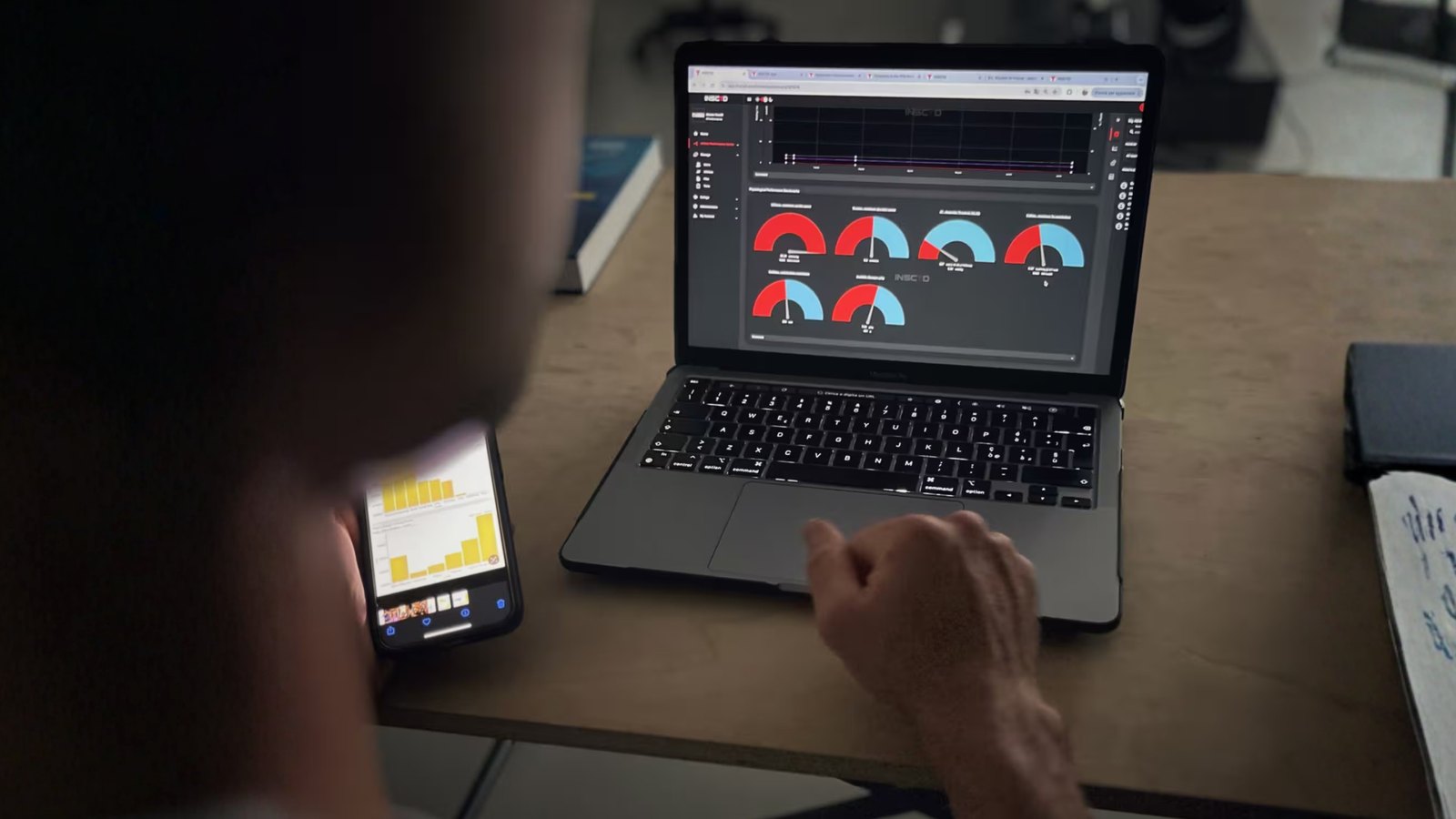
12:09 We developed different kind of and also we're we made with the some development that we are working with especially with this company inside to know what is the finger the metabolic fingers bring for the athlete in running and swimming and also this is a but also we made the same in cycling. Okay, at the end what we need to know is how the energy systems are working or are interacting together. This is an example of how the glycolytic engine and also the aerobic engine are working together for this athlete and how the anaerobic and also is producing lactate and how also the aerobic is combusting the lactate that we are in
13:05 that we are working to analyze these athletes. Okay, these are the different kind of characteristics that we have for the aerobic and anaerobic system that how can we use different kind of strategies to have a better development in the training. And what I am trying to express and to describe this because when I have when I have that request from this athlete is a, a, a, a, a, a, a, a, a, a, a, a, a, a, a, a, a, a, a, a, a, a, a, a, a, a, a, a, a, a, a, a, a, a, a, a, a, a, a, a, a, a, a, a, a, a, a, a, a, a, a, a, a, a, a, a, a, a, a, a, a, a, a, a, a, a, a, a, a, a, a, a, a, a, a, a, a, a, a, a, a, a, a, a, a, a, a, a, a, a, a, a, a, a, a, a, a, a, a
13:59 a, a, a, a, a, a, a, a, a, a, a, a, a, a, a, a, a, a, a, a, a, a, a, a, a, a, a, a, a, a, a, a, a, a, a, a, a, a, a, a, a, a, a, a, a, a, a, a, a, a, a, a, a, a, a, a, a, a, a, a, a, a, a, a, a, a, a, a, a, a, a, a, a, a, a, a, a, a, a, a, a, a, a, a, a, a, a, a, a, a, a, a, a, a, a, a, a, a, a, a, a, a, a, a, a, a, a, a, a, a, a
14:29 production and three years. And then this was the, the first protocol that we met to make this, all this testing together here in Mexico at the beginning of the process. And what we developed during this protocol, we have this, for example, we use insights where, with different kind of protocol for running, swimming, and cycling, everything we made it outdoor, in the swimming pool of 50 meters, and in the road. And also we made the same protocol in the track. And here's an example of some of the metrics that we had after that protocols.
15:25 And some watts, for example, this, we have a different kind of watts, and what is the metabolic demand that we have, and oxygen uptake, and oxygen demand, and how all these graphs are, and the behavior that we have a different kind of watts to know what's going on with all these, or with those two variables. And here's an example, we have the, at 300 watts, that is very close to the anaerobic transfer of him. And what is the oxygen demand up here for 52 milliliters per minute per kilogram, and the uptake is 4.1.
16:08 Okay? And I don't want to spend a lot of here to describe every graph, because they have a lot of detail. But if you have questions at the end, we can talk especially one by one, but to have the proper time for the webinar. And also we, we, we got the lack of p2b and lactate accumulation at different kind of watts. This test is, that we are talking is on cycling. Here are the, the lack of p2b and also the lactate accumulation. Here for example, I, we have here at, at 342 watts, the lactate accumulation that we have here.
17:01 And also we start having accumulation after 300 watts. The lactate production and concentration and maximum, maximum oxidation. And we have here also the same, at 300 watts, how the lactate production, the max agroble lactate combustion combination. And, and also the lactate concentration, how they are working in the same, at a different kind of watts, at the different behavior. And also this graph is one of my travels because we have the intensity in terms of watts. And we can have the, the fat and carbohydrate usage for a different kind of, and intensities.
17:54 And this is very important to, to, to, to know what's going on with the athletes about the fueling or the energy of the fuel. And how the, the, the, in the watts, in where are coming from, for in which energy system and also from what source. For that reason, and this is an example of, for example, for one workout of that, we want to do something at 223 watts. And we are having different kind of carbohydrate, come, combustion and also the fat utilization. And this is also important because at the end with all this testing, we have this metabolic fingerprint.
18:43 And what about, at that moment, the, the, the fingerprint for the athlete, what this, and with this, okay, after this, I, I was prescribing. I, I made all the plan to know what we need to develop and what we need to do for, to have a better result. And with the different kind of, or strategies to do during training, during the different kind of, and, and the factor that we need to attack or to solve, to have a better behavior during the training and the race day.
19:30 This also, we designed it, these training zones with this information that is very valuable for us. Because in different kind of, it sounds, we are having the different behavior about the carbohydrate and fats. And for that reason, and we also start doing the proper plan for nutrition and also for hydration because, after that, we made all the interviews with the athletes and also all the analysis, we detect that one of the most important part for the diet is what the nutrition and hydration and strategies for, for training and raising.
20:19 Okay. This is the result of the test and the, the, the B02 max 61, BLA max 0.35, then aerobic travel 4.2 watt per kilos, the fat max and the carb max, the carbohydrate metabolism and okay. This was the beginning from the, from the physiological part to how can we need to develop for the next phase. And then we, okay, what's, we develop something to, to develop a better B02 max. And we select some of these kind of workouts to develop the proper plan for the next month for Agro, September, October,
21:07 and just 17 days of November. And then we select what kind of workout do we need to know, and to increase about of this and aerobic workouts are, adopt aerobic session to develop the O2 max to have this behavior on the, on the body. And also from this project, and also we need to do something with BLA max. And for that reason, from the plan, we start working in some sessions to do some very, very good workouts with these athletes athletes to have a different BLA max or to have a better behavior between BLA max and also B02 max.
22:09 And these are some of the factors that, that we are utilizing for what do we need to develop for anaerobic training to know what we want to do with B02 max and also BLA max. And for that reason, the proper baseline for these athletes after to have the proper physiological protocols is very valuable because we, we know what we need to know and where we want, and where do you want to go for, to be at the race day. For that reason, with this is very useful to design the proper plan for every athletes.
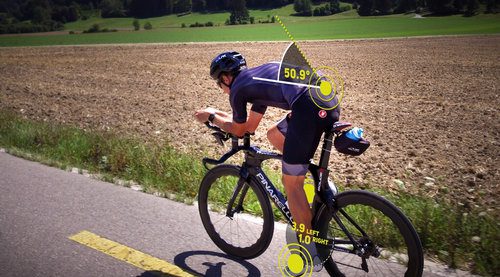
22:52 Okay. The quality of movement, the motion analysis can provide information to assess posture technique, weak neck asymmetry, and can be evaluated with bike fits or, and dynamic position and assessment. And what we made is some about technique or to identify a structural deficit, weak neck asymmetry, feet position, posture, et cetera. And this was very important because also the second button was not in, in the number of priorities, but one also the biomechanicals for these athletes. We identified a lot of opportunities to have a better development for the athletes on the bike.
23:43 And the process that we made with him is we made an interview, the body dimensions, the physical testing about the different protocols that athletes, we made a different kind of physical test to know about the support of the body, the strength and conditioning about the body, and also the mobility of the body. Also, we made the bike measurements, the four distributions, and when he's riding on the time trial bike, the posture coaching, the pressure mapping about the contact points on the paths, on the saddles, on the feet,
24:26 the motion card capture how the angle joints are working together. And when we are doing some of that movement in the panel, also everything connected with power. And we also include the dynamic motion analysis about ranges, and then we made the summary. Okay, for us, it's very important that the bike feeds or every biomechanics and aerodynamics evaluation, we need to do it in the dynamic, and we need to do it as realistic as possible, individual, and evidence-based, and support, but not driven by technology. The most important is the driving must be the knowledge.
25:14 But the technology is very important to know what's going on in some part of the analysis, because the technology and knowledge together, we have data and science, and we can have a decision science that is very important for us. And at the end, what we need to have is balance between positioning and contact point optimization. What we, as I mentioned, we had the pressure mapping, the motion analysis, the 3D video capture, and also everything with power. This is a session that I went to Colorado to work with these athletes, and we have this indoor or in-lab session
26:06 with the feet pressure, the saddle pressure, and also we were working with motion at the same indoor, and also we made outdoor. Okay, also we were using during all the process the LIOMO. The LIOMO is very useful for us and also for me with this athlete, and also with my lab, to identify what's going on with the motion or the speed for the stroke. And also it is very valuable because we have the connection with the metabolism cause that we are having by power, and also with the different kind of results of every side because we can divide what's happening in their left and their right side,
26:59 that we will analyze in a couple of minutes. But with this, we analyze everything indoor and outdoor, and in the real time. And this is some pictures that we made here in Mexico. This track evaluation was in Aguascalientes, one of the fastest velodrome around the world. And we were using here the LIOMO and also the pressure mapping from GBIOMY that we are integrating all these technologies together, and also in the dynamic version. Here are some videos that I would like to play. He was doing and raising this position on the lab.
27:59 We made this on the lab before to go to Aguascalientes. And then we started doing also in Aguascalientes some protocols that we were working together on also with AlphaMentes from Garmin Technologies to measure the CDA, the coefficient of aerodynamics, in the real time together with the pressure mapping and motion. And then some of the testing that we made on the lab to measure the force analysis from the feeds from the left and the right, to know what's going on about the pressure of every foot. And here is what we were doing.
28:54 And this could be very deeply, but at the end, the objective of this webinar is how can all these data can work together for generating better solutions to look for the success that we're trying to reach. Okay? We can have here the pressure of every site. And also this is very important because we can, and we know exactly what's going on with the support when the pedal stroke, when we are doing the down stroke and the up stroke of every phase of the pedal stroke. And if we are having a lot of movement that we are, what is what we are having with a lot of athletes,
29:39 we are designing a lot of insoles tailored for them because what, or to select the proper cycling shoes in connection. We have at the same time, the saddle pressure and the path pressure. And also we know how the body weight of the rider is distributed by the different contact points of the bike at this different kind of intensities. And for that reason, we have here some of different kind of behavior. And how can we, by some adjustment, we can have a better behavior of the support on the feet to change some measurements on the bike
30:34 and also to change something that we made here, especially we change the cycling shoes, we change the insoles, and we have a better support to have a better efficiency to transfer the metabolic cost to a mechanical power and then to a speed. And here also the saddle pressure that we were working at the beginning and then we do some change. And also the idea is to reduce the shifting on the saddle, the lack of stability. And before to change something on the bike or the equipment, it's better to have this very deeply understanding
31:19 or to know what kind of saddles or what's at the beginning is, okay, what position do we want to do? And, okay, we made workouts with the Leomo outdoor in riding five hours. And we started testing this during this process and we found, and here is the dead spot score. And every point in here is, I'm going to describe here what is the dead spot. But the idea is when we are having a different kind of speeds and this acceleration or acceleration, and we are having like a stop and continue, and we are having more inefficiency on the left side than the right side.
32:13 And that is very, is correlated with the visuals that we designed or identified, sorry, during the visual 3D motion, because on the left side we saw that he was moving a lot of the, especially the heel, he was feeling a lot of heel down and also he was having a lot of movement on the left side than the right side. And also we found on the physical ascending that he has a symmetry on the hip flexor of the left side. For that reason, he was rotating from the left sides.
33:01 And in the first approach, the dead spot score that I was talking about is the pinpoint the magnitude and location where pedaling velocities lack smoothness along the left and the right pedal cycle. And here, for this right, we found that in a complete right, we made different kind because he was training on every, every workout with the Leomo. But at the end, what I suggest is to try to do at least one per week, or even if you are not having the Leomo or you have on the lab to try to track all this metric at least one per month, or if you have,
33:49 you want to have a better understanding at least one every week or two weeks. But it's very important to follow up the process for the biomechanics because in only one session, you can identify some metrics or some behavior, but at the end, in the real world, it's outside. And we identify here that we have in the left side a lot of inefficiencies, say 6.8%, and on the right one, much better. And also the foot angular range, we have more movement in the left one that when I was telling you that we,
34:36 the athlete was movement, the heel down and heel up a lot of, and this is the range that was higher than the left, than the right one, and also was higher also for in the leg, especially on the tights. And for that reason, okay, with this, and also he was doing very good torques, rug, and torques rotation. We made different kind of evaluation with how he was moving in the torso, and also with different kind of evaluation of the sacrum, to know what's going on with the angle.
35:18 And this is another workout that we have the different, a better behavior than this, with some adjustment, but also the left side is not playing a very good role, but we have a better, because here we have 3.8 and 0.4 against or versus 6.8, 0.8. And then right now we are in a better spot with a different kind of behavior. And then what's the testing number one with some change. And the testing number two, we start doing a different kind, a different kind of cadence, a different kind of power.
36:07 And we also start having a better behavior with the athlete, reducing the inefficiency. And for that reason, for me, it was very valuable to use this analysis together, and also indoor, outdoor, to know what's going on with the new cycling shoes, with the new insoles, with the different kind of bike measurements, with the different kind of posture coaching, with the pressure mapping, with the feet mapping. And at the end, we have more than 4% of efficiency in this kind of behavior, at different kind of protocols. And the biomechanics start applying a better efficiency for power transfer.
37:03 Some of these, we measure the CDA, that with pressure mapping on the track, and also what's another metric that we were doing. And this is the CDA in real time, and also with the pressure mapping in real time. And what we found is that he was shifting a lot of during the pressure when he was riding. And also this information was very valuable for me because we started doing some changes to calculate here, some of these different kind of CDA. And it was very good because with this, we were measuring the CDA in real time,
37:56 the CDA with the stability numbers with the pressure mapping. Here are some pictures that when we were testing in Aguascalientes, Mexico, this is a real good velodrome that is really, really fast because the air density is very, very low. For me, it's one of the lowest around the world. It's less than 0.1, it's 0.93, 0.94 sometimes. And here are some of the changes that we start using. Here he was riding in Colorado. Here's some fun picture before to start doing the testings on the velodrome. And here, here, a better behavior of the athletes in biomechanics.
38:51 And we increased 6.7% of the better CDA. And that is, we have a better speed with the same metabolic cost. Okay, let's move to the fatigue factor. We also, another analysis that we were doing in a deeply, in a deeply way is, how can we identify the fatigue factors for these athletes? And we made an analysis of muscle acidosis, gut disturbance, hyponatremia, hypohydration, muscle damage, so optimal CNS activity, the muscle carbohydrate depletion, and the muscle PCR depletion to identify what's going on with the nutrition that we are having during training,
39:50 or to optimize the recovery process. For me, the recovery process is the most important because it's when the body is getting the adaptation that we are trying to develop. And for that reason, we, this, this, this studies, is very important for me to know what are the strategies to know, to develop for the athlete, because all these are the fatigue factor that we can find on every athlete. And here are the key nutrition strategies to combine fatigue factor. For that reason, when, when I was working with this athlete, we identified a lot of opportunities, areas in the hydration,
40:41 about sodium, and also the sweat rate, and also gut-disturbing training, acidosis, carbohydrate intake, that was one of the most important. And we start doing, because with the power and all the analysis that we are doing, I use a WKO4 software for all these kind of, so, integration, data analysis. And we made all this, I don't have time to describe all these kind of analysis, but it's very important for me to mention that we made it. And we have also, we had a very good result in the behavior of the athlete during the training analysis,
41:32 especially in the, we start training the gut training, because he was, before the race, we developed that he needs to, the carbohydrate rate per hour was around 90, 90 grams per hour, and we need to develop the gut training to get this intake plan for the race, as an example. And, okay, we made the training periodization, that's okay, where we are, and then how many weeks, if we try to do all this process. I made the process from the weeks that I have available at that time.
42:17 And, okay, so, we have to do all this process, and we have to do all this process, and we have to do all this process. And, okay, so, we have to do all this process, and we have to do all this process, and we have to do all this process. And, okay, so, we have to do all this process, and we have to do all this process, and we have to do all this process. So, we have to do all this process, and we have to do all this process, and we have to do all this process.
42:59 And, okay, so, we have to do all this process. And, okay, so, we have to do all this process. And, okay, so, we have to do all this process. So, this is an example of how we are prescribing some of this is an example of how this is an athlete that I prescribe. He's a cyclist. And how can we prescribe different kind of training, and also different kind of nutrition, low-carb nutrition, high-carb nutrition, fast training, high-protein breakfast, and this is at the end. This is a training periodization in combination with the periodization nutrition is working very good to get better.
43:49 And the performance nutrition, in my opinion, is not just about food. It's about mental nutrition. It's about how food makes you feel good, boost your spirit. It's about food stays in and so good that you want to eat and stay in the game. And this, enough calories at the right time. You are here, right place at the right time. See how this nutrition can work at this situation. Okay, how can we prescribe this or how carbs based on the workouts? In how we are working low intensity.
44:28 We are having three to five grams per kilogram per day. This is very different for every athlete. But at the end, we are designing the nutrition of the periodized nutrition by different kind of basis on the activity. And then we go to the carbohydrate intake. And also, this is very good about the duration of the exercise to prescribe the amount of carbohydrate needed. And then recommendation of type of carbohydrate. And then the additional recommendation. And this also was a big differentiation with this athlete to have a better success.
45:08 How, and this is the different songs that we were working. And how can I prescribe about the ability of the aerobic endurance, extensive or intensive aerobic power to prescribe? What intensity do I have to work with the athlete? And then what are the prescription of the nutrition and hydration? At the end, we develop this periodized nutrition. What are the rest and recovery day? Breakfast, carbohydrate, protein, fats, snack, lunch for the recovery day. This is for aerobic fat burning single session. When he is writing, pre-write fast steps.
45:58 And we start eating some carbohydrate during the ride. And we divide the total amount of carbohydrate protein and fats per day. Also, this is the difference about when we are working in threshold training. A different kind of distribution of the three macronutrients. When we are doing anaerobic training. I don't have too much minute, but I'm going to try to describe that when we are working at different kind of intensity. We need to have a different kind of nutrition. When we are having a mixed volume and a high volume and intensity.
46:46 We need to develop a different kind of nutrition. And a more carbohydrate during the day. A different kind of amount of carbohydrate per hour. Also the caffeine utilization, carbohydrate protein, fat. Double session when we are doing double session with intensity and carbohydrate and PM fat burning. Try to do some fast workouts. This is a different kind of description of the prescription of how the athletes. He needs to start doing the pro ride, the routine ride, the breakfast, lunch, the pre ride, during the ride. If we are doing the two workouts that day.
47:29 Okay. Let's move for hydration. And the blood volume plasma. Every athlete. We have a 3,500 milligram of sodium in the blood volume. And we are working also with this company precision hydration. Every athlete. We have all of us. We have this same amount of sodium in the blood volume. But the difference is that every athlete. We are sweating a different kind of concentration. Okay. This is the test that we are. This is in Spanish. But I'm gonna. I'm gonna. I'm gonna. I'm gonna. I'm gonna. I'm gonna.
48:16 I'm gonna. I'm gonna. I'm gonna. I'm gonna. I'm gonna. I'm gonna. I'm gonna. I'm gonna. I'm gonna. Okay. What I am describing here is the process of how we are doing the sweat test. We are stimulating some cells to get. Sweat. Sweat. Sweat. Sweat. Sweat. Sweat. And by electrical. Stimulus. And after that we. Start recollecting from that cells. The sweat. From the athletes. And then we are in measuring the conductivity of that sweats. And we are. What we are trying to get is. The sodium of that sweat because the sodium conducts.
49:01 And. And we are identifying the amount of sodium per liter of sweat. Of every athlete. And that's very important to prescribe. What is the. The test. The intake. For hydration. Especially of sodium. That's. Is. For different kind of studies. 90. 91% of the sweat. That we are. Sweating by liter or by hour. Is sodium. Here. Is. For example. From this athlete. We identified that. Seahandled. 14 milligram. Of sodium per liter of sweat. And we have the concentration. And he was training in Colorado. And we made the sweat rate test.
49:47 By. By weights. A different kind of. Because here. This is for genetics. And this. This is one time in the life. Because it doesn't change. And. With the proper studies. Say that. We have this. For. For all. All. Of. Our life. What we have to measure. A different kind of. Humidity. Temperature. And altitude. In the sweat rate. For example. When we were raising. Cozumel. We. Made this. A protocol. And also. We have this protocol. For. Cozumel. Colorado. And we. Also. Made the prescription. With the duration. And we.
50:29 We have the. The net losses. For. This athlete. For that reason. What I prescribe. For. Different kind of. Dates. Of intensities. And also. Different kind of. Workout. And especially. For. Cozumel. For hydration. Because the humidity. Is too high. And the temperature. Was high. For these athletes. We. With this. I was very. Sure. That we will. Have. The proper hydration plan. For. For the continuous. And. For the. Ironman. We were. Expecting. To raise. In less than. 10 hours. Another tracking. That we were doing. Is the. And the recovery.
51:12 By the. High rate. Variability. And the rest. High rate. In. In. In rest. And we were. Using. The. One device. That the name. Is cool. And. We are tracking. When. How many. Disturbance. The athletes. Is getting. During the sleep. And. To try to. To track. The. With a different. Kind of algorithm. The resting. The sleeping. Hours. And to know. If the next. We are having. The proper. Recovery. If not. We can. Change. Something. The individualization. Nutritional system. Basin. In the. Basin. In the. In the. In the.
52:01 In the. In the. In the. In the. In the. In the. In the. In the. In the. In the. In the. In the. In the. In the. In the. In the. In the. In the. In the. In the. In the. In the. In the. In the. In the. In the. In the. In the. In the. In the. In the. In the. In the. In the. In the. In the. In the. In the. In the. In the. In the. In the. In the. In the. In the. In the.
52:47 In the. In the. In the. In the. In the. In the. In the. In the. In the. In the. In the. In the. In the. In the. In the. In the. In the. In the. In the. In the. In the. In the. In the. In the. In the. In the. In the. In the. In the. In the. In the. In the. In the. In the. In the. In the. In the. In the. In the. In the. In the. In the. In the. In the. In the. In the.
53:33 In the. In the. In the. In the. In the. In the. In the. In the. In the. In the. In the. In the. In the. In the. In the. In the. In the. In the. In the. In the. In the. In the. In the. In the. In the. In the. In the. In the. In the. In the. In the. In the. In the. In the. In the. In the. In the. In the. In the. In the. In the. In the. In the. In the. In the. In the.
54:19 In the. In the. In the. In the. In the. In the. In the. In the. In the. In the. In the. In the. In the. In the. In the. In the. In the. In the. In the. In the. In the. In the. In the. In the. In the. In the. In the. In the. In the. In the. In the. In the. In the. In the. In the. In the. In the. In the. In the. In the. In the. In the. In the. In the. In the. In the.
55:05 In the. In the. In the. In the. In the. In the. In the. In the. In the. In the. In the. In the. In the. In the. In the. In the. In the. In the. In the. In the. In the. In the. In the. In the. In the. In the. In the. In the. In the. In the. In the. In the. In the. In the. In the. In the. In the. In the. In the. In the. In the. In the. In the. In the. In the. In the.
55:51 In the. In the. In the. In the. In the. In the. In the. In the. In the. In the. In the. In the. In the. In the. In the. In the. In the. In the. In the. In the. In the. In the. In the. In the. In the. In the. In the. In the. In the. In the. In the. In the. In the. In the. In the. In the. In the. In the.