Webinar: Unlocking the Hourglass Model: A Revolutionary Approach to Race Preparation
Join Benjamin Tilus, National Champion Coach and Founder of XLR8 Performance Lab , as he demystifies the art of race preparation with the revolutionary "hourglass" model.
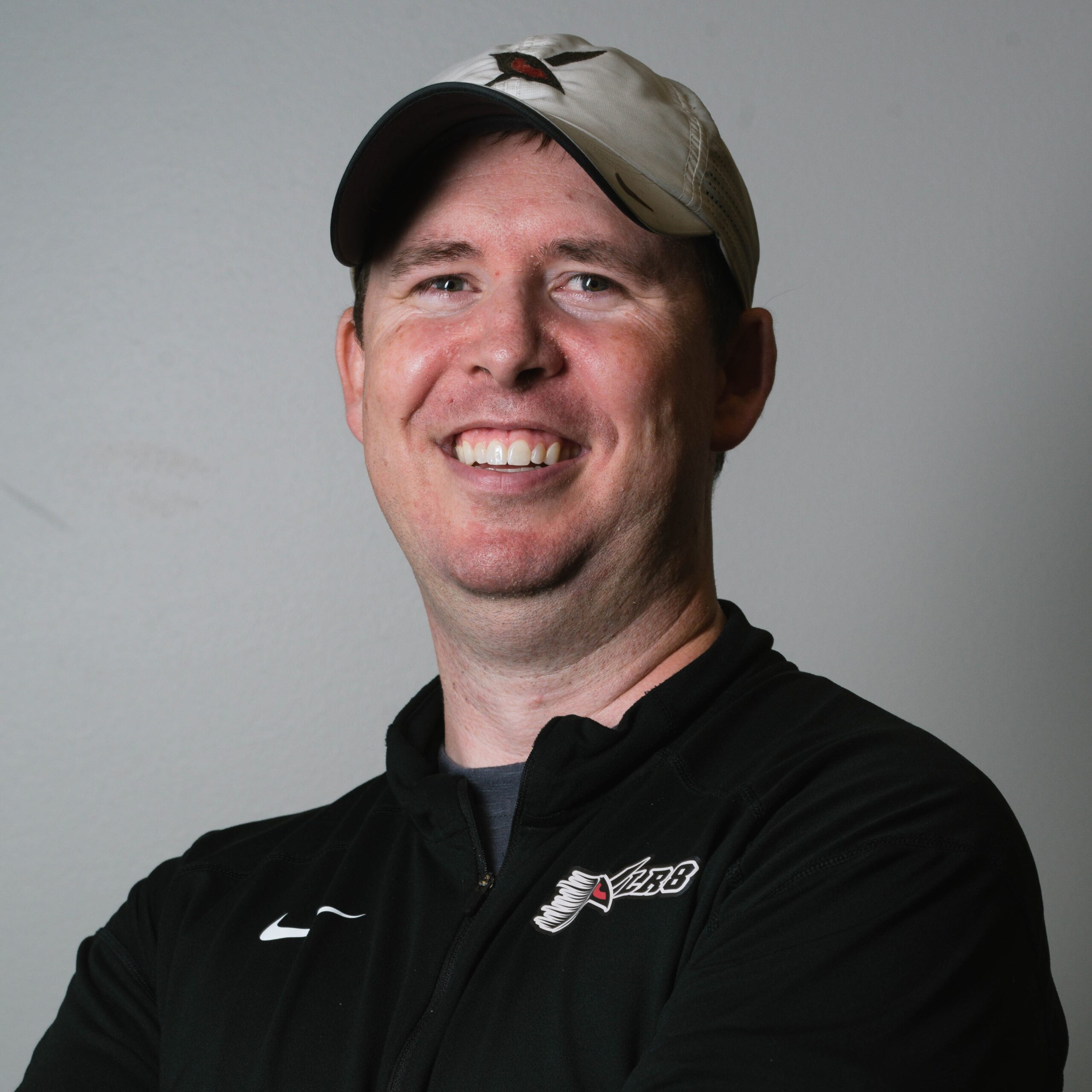
Join Benjamin Tilus, National Champion Coach and Founder of XLR8 Performance Lab, as he demystifies the art of race preparation with the revolutionary “hourglass” model.
This transformative approach has been pivotal in securing the US National title and has the potential to redefine endurance training across sports.
Join us for this transformative session and equip yourself with the knowledge to elevate your coaching and training methodologies. Whether you’re an athlete, coach, or enthusiast, this webinar promises to offer invaluable insights into the future of race preparation. Don’t miss out on this opportunity to learn from the best in the field!
Agenda:
- Introduction to Race Preparation
- The Pyramidal Model: Strengths and Limitations
- Introduction to the Hourglass Model
- Case Study: US National Title Journey
- Tailoring Training to Metabolic Profiles
- Differentiating Aerobic and Anaerobic Athletes
- Q&A Session
0:00 there's many, many more, but if that gives you a general idea. So now let's look at the things about these models that might be the biggest drawback to each one of those. And that is that every single one, as you read there, it's, they're entirely based on the requirements of that event. And none of those that I put out there as you can go back and see have anything to do with any of the metabolic characteristics of the athlete. Every single thing is based off of, you know, training for this.
0:29 The only thing that, you know, we're talking about maybe specific to the athlete would be what their threshold level is, so to speak, but everything else along here is all based around getting to your, you know, 5,000 meter performance by using other events and using certain paces and training specific for the 5k, but not built around the athlete. All right. So that's a, obviously a big drawback because I think we know, you know, we've got 80 people in the chat and I doubt 80 people or 80 people on the
1:00 webinar. I doubt 80 people. We'd all get the same stimulus. We actually know there's some really good info and we can send that. I can send that out. It's actually, there's a really good guy. I love following on Twitter. His name's Gareth Sanford. He's got some great stuff. He works with he's based out of Canada, works with a lot of middle distance training. And he just was sharing some research the other day about the difference in response to the same training that was done in a major study here recently.
1:30 And just everyone's massive difference in their, their, their training response to the same stimulus. So we know that just using a model is going to work great for some people, but hold others, you know, hang them out, you know, hang them out to dry, so to speak. All right. If we dive into this then, so that's the biggest drawback. Well, now let's look at this, the kind of start diving into the case study and why it is the hourglass model has an opportunity to be, you know,
2:01 something that I think could make sense to a lot of you, especially people that have used inside as a, as a testing service already and use their software and coaching. This can make a lot of sense. Her name is Peyton Noe. I just talked with her this morning. She's actually now running for the university of Arkansas, probably the most decorated, well, easily the most decorated school university here in the United States for, for running for the track and field side of things, far more national championships than any other program.
2:32 She runs for them full scholarship athlete down there. She was the national champion at time of 1604 and it was the only 5,000. 5,000 she ran in the season. So not a lot of opportunities to sort of state petitions and max out at like two miles. So, but we knew nationally that was possible for her as she was third in the U S in the cross country national championships in the fall. So we knew this was a great opportunity for those of you that know Hayward field,
3:02 the historic Hayward field there in Eugene, obviously just had the world championships. She actually ran the fastest ever high school 5k for a female ever in Eugene at that stadium. So kind of a unique thing at such a historic stadium. So anyways, that's Peyton Noe and let's dive into what we did to help this young lady run this time. And, and let's see kind of where we go from there. This is not all of her lactate data, but this is some of her testing data. These are done about every three months.
3:36 This was going back. So this would have been the second to last test she ever took. It was on another page to get to the last one, but the second to last test she ever took about, I think this one was only about maybe six weeks before her final test. There's specific reason we took one that close, but anyways, these were all about three months apart. All right. So development throughout her career VO two about 63. And you can tell what makes her really, obviously a longer distance runner was her extremely low VLA.
4:14 And for those of you who use the software know that that's her anaerobic power and sort of glycolytic power. And so she does not have a lot of that. And that's why, you know, she was definitely more of that pure distance runner to give you a good example of that. Her PR for 800 was around 218 at the time when she ran a mile PR of 443, you know, so not that different in pacing for her because she just does not produce super high levels of anaerobic power.
4:46 You can see here at the end, we're going to talk about this here a little bit as we talk about the hourglass model, how we got this, but these are all about three months apart. So you can see a nice little steady growth. And then all of a sudden we really put together some, some awesome training. She really dialed in. We got nutrition super dialed in and everything. We saw some real massive growth here at the end of her career. So that was really exciting to see this,
5:11 but anyways, this is somebody we've tested regularly. When she was running around 18 minutes for 5k, seven, we didn't really run on the track. That was more cross country. So probably mid 17s, low 17s would have been maybe on the track when she was in this data. And then by the time we got up in here, we got her down to nearly breaking 16. So how do we do that? So let's go ahead and look at that next slide. All right. The metabolic profile of Peyton, obviously if we looked at it more in depth on inside,
5:41 we would see she has a very high VO2 max. Okay. That 73 by the end is obviously extraordinary. And so she's, you know, really extremely talented athlete. She has very good, very high pace. She can run at, at her fat max, very high pace of carb max. She can clear over a millimole of lactate per minute, running it at a correct pace, you know, where she's burning lactate, combusting it at a high level, which is obviously she extraordinarily fit at this time. A very good lactate threshold and a high percent of her threshold at VO2 max,
6:19 sometimes approaching even 90% at VO2 max. And again, that's pretty common for somebody who's going to be more of an aerobic athlete is they're going to be able to run, you know, very fast at a steady state and be, be close to what their VO2 max is because also their, their aerobic power, their ultimate VO2 max is, you know, oftentimes when somebody has this high percent, not as high, but in an athlete like her, she's just super talented in both weaknesses, very low VLA max. And I'm not saying it's necessarily a weakness for her performance,
6:54 but it's not her, what that's not her athlete makeup is to be a strong VLA max. Okay. So that's again, the glycolytic power. She does not produce much lactate, you know, per, you know, per, per step, per second, per minute, et cetera. And all the other, you know, we'll just use lactate, obviously, since we're talking about lack, the fluctuate of lactate. But anyways, most of, you know, there's other things going on here, but since we're, we're talking lactate and then our maximum lactate concentration. So when she does an all out effort of around that three to four minutes,
7:30 often that's very low. We've had, we had a young man come in. He's a, he was a 17 year, he's 17 year old. Has run under 46 seconds for 400 meters in a, in a split is run. I believe in the 47 high or 48 lower engine and open. And it has another year of high school. He could get up to 21 millimoles in a three minute all out effort. She can only get up to sometimes for a long time, could never even get above 10. And we'll dive into that.
7:58 And sort of the reasons why, and why this profile then matters about what we do with this hourglass model in the training. All right. So that's kind of her profile.
8:12 All right. Observer profile. So this would be what we hear from other coaches, parents, athletes, just sort of those things that may be a non, I guess, like expert would notice about someone like Peyton. So she can run forever. Right. She's that one pace wonder. We all know who those are. Okay. We've had those. Like I said, she could run only barely under 220 for 800 and then keep that going. You know? And so that's, that's kind of the nature of these kids with that low anaerobic power,
8:46 high VO two max, no foot speed. Okay. They'd be like, man, you got to work on her kick, dude. You can see that here too. She can't kick. If you just worked on her speed, could you imagine how good she'd be is what we get a lot. We'd hear that a lot. Um, the longer the race, the better. They all know that. Like, Oh, well, when she gets to college, she'll run the 10 K and probably eventually a marathoner. And that's sort of, again, what, what a casual observer or fan might notice.
9:11 Small and weak in physical stature. If we go back over here, it's not the best photo. Um, but you can, she's not exactly a giant. So, um, as is often the case for these young ladies, very strong. Um, as you can see over time, you know, or whatever, like there were some gains here, got very, you know, very muscular, very strong, um, over time that really, uh, came on as part of her, her success, um, but not large, but very lean. Um, but yeah, weak in stature.
9:43 She's not going to win a dunk contest or, uh, um, be playing linebacker for anybody anytime soon. She's going to probably have the lowest vertical in our group and things like that. Um, and also she's got a high level of grit and toughness. So, uh, again, one of the, not always as easy to measure, but something that, that could be observed. And so you can go, okay, she's got that level of grit and toughness. That may also play into what can she manage in training as well,
10:11 because if that's one of her strengths, we can probably utilize that in training. All right. So this is kind of what you would observe. If you watched her race, you just think, wow, she can just go and go and go and go and go. Um, but if anyone's close to her, she's going to lose, um, in the kick. All right. Training characteristics. And sorry, these are a little bit smaller, but, uh, hopefully again, when you have the PDF, you'll be able to see it pretty clearly. Um,
10:37 these are the things that she could handle and do super well in training. She can handle high volumes of subthreshold training or a lot of training in that kind of two and a half to three and a half millimole range. I would say in general, she was somewhere this last year in roughly the, um, 45, very highest end would have been 50 miles per week. Um, and so, um, what would that be in kilometers? I guess six miles is 10 K. So 60 would be a hundred K.
11:05 So, you know, take, you know, take another 20% off that maybe in the 70 kilometer range, something like that. All right. And so, um, she can handle really high volumes. So let's say she was running, um, around that seven, let's just say it's 70 kilometers a week. If she was running that, she was probably doing roughly, um, let's say, right about probably 25 of that. Um, at some level, 25 K or so at some level of, of two and a half to three and a half millimoles.
11:44 All right. And so, um, that was very common for her to be able to handle maybe, uh, eight miles. Um, you know, so whatever, again, 13 K or so of, of a straight solid tempo run at what would be around two and a half millimoles for her. And then she could handle things like seven or eight mile repeats with a minute recovery, um, at around three and a half millimoles or so. Okay. Um, and so that was roughly, um, the type of training that we did. Um,
12:13 thank you, Jerry, 50 miles, 80 K you're the man. Thank you. Um, so I was in the ballpark. Thank you so much. Um, the chat, appreciate you. Um, and so, uh, that's the nature of what she can handle. That sounds like a lot, but if you kind of, again, look, maybe it's a little bit Norwegian model type training. She wasn't doing anything else hard. That was the hardest stuff she was doing. Um, during a lot, during a lot of her training blocks, but that's one of the characteristics she has.
12:40 She can handle extremely high volumes of that. And so it is what it is. I'm not saying it's, it's the thing that matters. It is what she could handle. VO two max and faster training takes a long time from which to recover. Try to use my proper English there. Um, and so what I mean by that is let's say she's doing stuff closer to her, uh, you know, velocity at VO two max pace or anything faster than threshold and, and, and getting faster and faster. Um, as opposed to maybe when she's doing sub threshold training where she can do
13:14 that every other day, this VO two max and faster training, she may need three or four days after a session to be ready to do anything faster than just pure aerobic training. And so even though there, you can get some nice elicitations of for performance here. Um, if you're only able to do it once a week or twice a week, um, you're going to some, some bang for the buck, um, may or may not be there all the way. Hey, Mark, I see you just joined us.
13:40 No worries, buddy. I know you can catch most of it on the, on demand. Um, so, and we're not even having hit the hourglass part of it yet. So we're just kind of breaking down our athlete Peyton here. Um, she enjoys long, steady workout sessions. If you remember, if we go back here, that's where this high level of grit and toughness, I would say one pace wonder can run forever. So the observer profile and her training characteristics and her metabolic profile, um, strong in these areas. Um,
14:11 you know, looking over here, this VLT max, low VLA max. Um, if you look at that, it makes sense that she can enjoy long and steady workout sessions. She loves, you know, that eight mile, you know, that 12, 13 K tempo run, just steady and strong, you know, or whatever. She loves that. She loves long runs. She doesn't like this next part, the shorter interval based sessions. She doesn't ever want to hear. She's got to do 400 meter repeats to her. That's like anything less than thousands is like super stressful for her.
14:41 Um, because she knows it's going to beat her up. She knows it's probably, um, going to mean she's got to run at paces that she doesn't often race at is a little bit uncomfortable. Um, um, so that's, again, it's just the training characteristic. It's not good or bad or, or means that every athlete that wants to run 16.04 or 5k needs this profile. This is her profile. Um, she's hadn't, hasn't had any injuries in the last 24 months. Um, when the majority of her training, um, we'd move to this high volume of sub threshold training.
15:13 She can just manage it, manage it, manage it, manage it. Um, and feels pretty good. I would say 90 some percent of the time is not feeling overly fatigued when she dealt with some things before we met her. And even at the beginning of when we met her, um, performing explosive workouts, or she'd do sprints or plyometrics or, you know, a lot of sprint drills or hard anaerobic intervals. Um, that's where she would end up with bone injuries, lower back pain, things like that. And so when we moved her to more of this,
15:43 she could handle significantly higher volumes, get significantly higher training at paces closer to threshold, um, much less training in the VO two max and faster, but a lot more at that threshold range and was very healthy with that. Um, like I said, has been, I don't think has missed the knock on wood. She's, she's trained with somebody else now, but she's with the college now, but she had about two months there without really missing any time for illness or injury. So, um, that's just something to be aware of.
16:11 Those are her training characteristics, not specific to a 5k kid, but to her. And this is going to be important here in a minute. What if we took all of that info from those last few slides and we built a model, a training model around her and knowing that the 5k is sort of the race she wants to run. We know it's her best race. We're not going to, so we're going to have a little bit of that in mind. Obviously we got to know, sort of,
16:36 we had to have a pretty good idea of what race we're wanting to run. Um, and probably based on her profile, you could tell it wouldn't be smart for me to try to train her for the 400 or 800. Um, but based off of her profile, you can see 5k is probably was pretty good for her for high school. Not going to race a lot of them, but the one she raced obviously went really well. Um, the start where we would kind of start off in her training,
16:57 let's say it's 24 week cycle. Cause this is the model that we use the hourglass model. When I decided to try it out was 24 weeks. Um, we're going to, you know, the start of that cycle, we were going to train to her strengths. And so what would that be? That would be subthreshold training, long, steady workouts, you know, those types of things. That's what we're going to train to in the middle. We spent a little bit of time shoring up some of the weaknesses. And forcing some super compensation.
17:24 What were some of the weaknesses? VO2 max and faster training, some shorter interval based sessions, things like that. We got a little bit of maximum sprinting, plyometrics, hard inner anaerobic intervals. Um, like I said, a little bit. Okay. And then at the end, again, we would cycle back with the strengths. So going back to ending with subthreshold training, long, steady workouts. All right. So what does that model look like? All right. Uh, hard to find. Google, but, uh, this gives you the idea. It almost looks like a wine glass sitting inside of like a stained glass
18:03 window or something, but think of it hourglass. Okay. And so, because why, if we start the training down here and we're building to the 5k performance up here, we worked on her strengths. That was the focus. And we did a lot of it. Cause she can handle a lot of work in the areas. She's strong at right where she is strong, where her muscle fiber type lives, where her body responds best to training. The fiber types are allowed to train more at what they're, um, inclined to do naturally.
18:33 Lots of it, a little bit somewhere in the middle of the, of some of her weaknesses. Not that we ditch all the strengths, but a little bit of the weaknesses here. Not a lot of it though, because again, remember she has very few, probably fast switch fibers. So if you do a lot of anaerobic work, if she has half the fast switch fiber percentages as another athlete, and they each do five by 200, her response load on those fibers is going to be more like 10 times 200.
19:00 And so, um, you got to be sensitive to that, but you're going to get some really cool super compensation that we'll see here in the test results. Um, when you are training suddenly this weakness and the body has to figure out how to take its strengths and solve for the weaknesses. And then as we get closer again to the five K, uh, the, the final performances, the championship level, we returned more to the strengths that, um, work for her, the endurance, the threshold work, things like that.
19:29 Um, and so we almost did basically, um, where we, we, if you look here in hourglass is almost like, uh, two pyramids stacked on each other with a point, all right in the middle. So we have this base building up to more speed building and then back out to more base building in that regard, kind of creating this hourglass. So we start with our strengths and we end with our strengths. Um, part of why I like that is that what athlete, when they start a new training plan wants to start with things that they're
19:56 not great at, like just start out with speed work. Or if you took, let's say an 800 runner and they're more 400, 800 based. And the first 10 weeks of their training plan, you tell them, Hey, we're just going to go run a bunch of easy mileage and, you know, a little bit of hill work or whatever. They're, they're going to hate it. And the odds are their muscles aren't going to respond super well to it. They're just not going to enjoy it. And their development's going to be delayed.
20:17 Even if there are some really good physiological reasons, you might do that. All right. And so obviously we'd love to train high levels of VO two stimulus all the time. If you look at, at, um, if you look at the data on inside, you can look and see, obviously you start getting closer to things like Tabata intervals or, or high level velocity VO two max intervals, you're 20, 30% higher, 40% higher stimulus of VO two max. Um, during those types of intervals, that's why we can see some 800 runners with really high VO two maxes,
20:48 um, because they're stimulating it with some really hard anaerobic work. But if it's that type of athlete, why would you start them there? Same with her. Why, how much fun would it be for her? She's going to hate training. She's got 24 weeks. She's working towards this big goal. And you tell her the first six weeks, we're going to work on her foot speed and you're doing an inverse pyramid. You're gonna do a lot of foot speed, a lot of piles, a lot of what she's just,
21:09 it's not going to be fun for her right out of the gate. Not that fun is the metric, but we need them to be able to, um, be successful and feel like they're getting off to a good start in the plan. Then when we get strong, they start to notice right about here that, man, I can't really hit all the intervals. I'm not really able to hit all the speedier stuff that I want. She would notice, Hey man, I'm trying to run these eight hundreds, um, at,
21:32 you know, two 30 pace in practice or whatever, but I, but I can barely even run a quarter and 75. So, okay. Now then they're a little more ready to recognize, and see that there are a few things we need to shore up in the weaknesses. Problem again, what happens if we run a bunch of eight hundreds and two 30? Well, again, now we're at that VO two max and faster training, right? And so now we're running all of that stuff. And all of a sudden, um,
21:58 she doesn't recover as much. We got to do a lot easier running. So the total volume of the more intense work has to come way down of the focus has to come way down because she just can't manage nearly as much of it as other runners. So maybe their VO two max and interval type of training, anaerobic card interval type of training, they can handle lots of it. She had a, another young lady in our program that was the national champion at 800 meters, who is a year older than her and two Oh six for 800.
22:25 They have the exact same VO two max. They both have 73 VO two maxes. All right. But the 800 lady, the 800 young lady, she has, uh, and they both actually now go to the same university as well. Um, but the 800 young lady, she, uh, had an anaerobic power up in that 0.5. 0.6 range and could deal with concentrations of lactate upwards of 16 to 17 millimoles. Okay. And so she obviously way more 800, she could handle a lot of VO two max and anaerobic interval training.
22:55 Okay. She can handle a lot of it because she obviously had fiber fiber type that was significantly more geared towards this. That was her enjoyment. You get to these outer edges that, that Peyton enjoys the sub threshold and long tempos. And that is not hers. And so again, this is specific to this athlete. The strengths go on the beginning and end of the training block and the weaknesses are here somewhere in the middle. Um, and you have a high volume of the strengths and you have a very moderate volume of their weaknesses in here.
23:28 Okay. Training components. So let's take a look here. Um, let's take a look. Now we're going to start actually talking about, um, the model itself, even more specifically. All right. Again, this is specific to Peyton, but, but we can talk about this model as it relates even necessarily to maybe sprinters, um, or maybe a distance runner that has a higher VLA max, things like that. Um, the biggest thing that you'll notice in the blue, the main focus training areas in the blue would be a role. Aerobic running,
24:02 a high volume of it. Okay. High volume, not necessarily, um, you know, considering overly shrinking this down. This comes down a little bit of overall volume, getting ready for this because you're preparing the body for the fact that it's got to do the stimulus coming up here in the middle. That's going to be really hard on the body. All right. So you can't just go full block and then shrink it way down all of a sudden, um, or those, the body's not gonna be ready. So just a little bit of reduction here.
24:31 Um, and then, um, kind of preparing for this middle zone and then coming out of it, the body's also probably pretty kind of turned around and needs to regrow a little bit. Thus the shape of the hourglass. Sub threshold type training also lives in this blue. Again, we're talking that two to three and a half millimole range, two to four millimoles, get too close to four. And, um, and again, some people, they hit their threshold significantly lower, higher, et cetera. But again, generally you get the idea.
25:02 Um, uh, that's kind of out of the scope of what we're talking about today, but more of that sub threshold type of work, uh, and very limited anaerobic work. So in these blue phases, that's kind of the focus all the time. All right. This is the main, main focus. All right. In the middle here, we have this, this block. That's the orange right here in this kind of the skinniest part of the hourglass. Where we focus on VO two max anaerobic intervals and a moderate level of aerobic running,
25:31 not a super high volume, but a moderate volume. All right. Because obviously she's going to need recovery days. Well, that's your aerobic running. I'm not going to be able to do much threshold type of work because we're going to get any of this in during the week. Um, and again, maybe she can only handle two of those sessions in an entire week with low volume, um, and still be upright and healthy and strong. Um, we're not, where else are we going to find the sub threshold work?
25:56 Can't get too greedy. So those are some of the training components. When you're looking at this, the model here that we have on both sides of this, um, these key metrics. All right. Now let's look at the timeframes of what we had here for, um, the same, this hourglass. Now the hourglass is not necessarily going to be even timeframes. As you can see here, um, you may have different variations, especially depending on how long you believe you can go with this stimulus still being effective at the outer edges of this.
26:31 And we're going to get to that again here in a second as well. So let's say, um, she's got 24 weeks again. Let's say we put 14 of those weeks into the bottom half of this hourglass, five weeks or so into this, um, this, the middle, the, the part where her weaknesses live and another five weeks building back up towards her strengths and the things that really make her, um, comfortable in her racing and training where she really thrives and make sure those muscle fibers, that metabolic system gets primed at its best level and is really fully ready to go.
27:04 Cause that's where the vast majority of her performance levels come from. All right. But this would be, let's say 14 weeks, very limited racing, if racing at all, focusing on goal distances. I, we race mainly because they're younger athletes and they, they get very bored and they'll over-train or under-train or whatever. If you don't throw something in every now and then, that's a little bit of a, a kind of a carrot for them to focus on whether to back off and hurt case and maybe get ready for race or to,
27:33 for other athletes who maybe are not as motivated to train having a race somewhere in here. But for her, we did very limited racing, um, focusing on our goal distances, three K five K 1500. All right. Um, yeah, right now, my man, I'll hop over there in a second. Yeah. Let's touch. I see that in the chat. Um, yeah, really, really good question in there. So yeah, let me, let me pop to that here in a sec. If we look at the middle block here though, five weeks,
28:01 weekly racing focused on secondary distances. So when I'm talking about that, I'm talking about probably for her, the longer the races go is not really a secondary distance, so to speak. Right. Because that really low VLA max, I mean, theoretically, actually she ran the big seven mile road race here in Iowa, which is a very famous road race, seven mile race. And was the top non-professional woman was very close. I mean, and you're talking like, uh, uh, I don't remember, uh, Florence Kiplegad, some of these types of people that some of these,
28:32 some Kenyan athletes, Ethiopia, a few elite level Americans, um, and whatnot. She was the top female non-pro. And so, um, beat some of the pro runners. So seven mile race, even more than double the five K distance. She dominated in that after taking a break from training. So, so I would say when we're talking secondary distances for her, we're talking shorter. She focused on eight hundreds mile races, things like that during this block. Another reason this block exists here to be fair, is that her school season existed right around here,
29:04 kind of just on either edge of this. All right. So this is there's about a seven or eight week period where they race, um, for their school. And so there's a few big competitions. We have our Drake relays. There's a few, there's a lot of smaller level competitions. They have their local competitions. Then they have their qualifying for the state level. And then the state level school competitions, um, where she had to set records at events that are fairly short. She had to run the mile, you know,
29:30 or whatever she had to run some eight hundreds on some relays. And so we had to kind of, this was a little bit of a necessary evil, which is why we decided to kind of try the hourglass model, because we knew we needed some focused work in those shorter events. Cause that was the only events available at the state meet. Uh, there was no five K. She had the three K. There was no five K, but we knew we still want to run a great five K out here five weeks after the
29:54 end of her state season. So we kind of, the hourglass model kind of came about a little bit, um, in part due to, um, one, I'd been thinking about it for a while, but then it kind of made sense with her training block and the races she was focused on. Um, she did some national races in here at the 3000 meter distance. Um, yes. Uh, uh, uh, Tobiah, Toby, sorry about that. If I pronounced that wrong. Yes. The recording of the webinar. Yep. This is fully recorded.
30:21 You can get, if you're, uh, signed up for it, you'll be able to access it, um, as a fully, uh, on demand. So no worries there. Um, and so then, um, at the top we had another five weeks and that was her focus two to three key races. She ran, um, a couple of big elite level mile races, two mile race, and then, uh, the national championship five K. She was trying to get some state records and some national all time performance marks. Um, and so that was the focus with the very top one being a five,
30:50 the 5,000 meter national championship, high school championships. All right. If I, before I jump on, I'm going to, if you look over at Ray now, it's a question there. Um, the hourglass model. All right. Interesting concept. He says, wondering if you include neuromuscular work, strength, jump sprints, and these blue training phases. Love to hear the opinion on this with her. We, we do it year round. We do do some neuromuscular work year round. Um, I would say with her, here's something really interesting. She, when we first started with her,
31:24 we were about four months into work, three months into working with her three or four months. And we started doing, we, she came in for her first ever speed and plyometric session. She did very little. I would say we did some drills, 20 minutes of some drills. Um, I don't even think she ended up even doing some plyometrics. Um, oh yeah. So Jonas, yeah. Those three key races were during that five week. Yep. So each thing that I have there is actually during that block. Yep. Good question.
31:53 Um, the final race was right at the end of that block, but yes, um, that was the end of 24 weeks. And her final race was at the end of 24 weeks. So that answers you, Jonas, but in the blue with the neuromuscular work, she came in, she did, like I said, maybe 20 minutes of that work. The next day she had a broken foot and I, I, I obviously I, it's really hard to put two and two together. She'd had no pain before that. And then a broken foot and was out for the whole season.
32:19 It's kind of crazy. That was several years ago. Um, or whatever. Um, yes, there are other factors at play. I would never say, you know, those are, there's a lot of things that could go on when you're talking about somebody breaking their foot after doing some drill work and stride work. Um, but she was not that weak of an athlete, but what, um, we kind of determined too, was she'd also those couple of weeks before that had started back with their school team, which was the final time she trained with their school team.
32:45 Um, she, she always trained with them, but before going on sort of our plan, more full time, a little bit shorter work, some more explosive stuff or whatever, a little more, maybe normal high school training for the mile and things. And so I think her being that must. Okay. Um, the answer that. Yes. We keep it in year round, but really, really, really low impact. Very, um, you know, we're doing goblet squats. We're doing, um, the drills, a lot of the drills are, um, they're more mobility based than they are to really develop top end speed.
33:25 Um, they are the drills that people use for speed, but honestly, when you're not moving at elite speeds all the time, there, there's much for mobility work as anything. When we did train in here, we did increase that load, but again, very moderate. We did more explosive plios, more explosive hill sprinting, um, very short distance hill sprinting in here. Um, but we gave tremendous amounts of recovery. We had her on the recovery boots. We had her on specific nutrition, recovery profiles, things like that. Um, so yes,
33:58 I would say that's the case. Um, that that's how we would have treated it with her. Let's say for, you know, for the sake of argument, this was a sprinter. Maybe they have 14 weeks of neuromuscular work, right? What ran out. He's talking about that. They're doing mainly strength work, jumps, sprints, short intervals, explosive short hills. That's where their strength is. They're around a, maybe a full 1.0 VLA max, you know, or whatever. And they're just very explosive and that's what they're great at. And, and so they're doing a lot of that work.
34:32 But as we want to get closer to their championship, maybe 400 meter race or 800, or, you know, so let's say it's a sprinter, so to speak, let's say it's more like a 400, 800 type runner. Maybe this is their jam, but they do need a little bit of that aerobic work, mainly to be able to tolerate the rounds and the racing that has to happen up here. The, the, the just sheer number of races they have to run, um, maybe in one weekend or in back to back weekends or so on.
34:59 Um, so they do have to do some of this aerobic conditioning work. Now, again, this may not be just easy running. It may be longer VO two max work, more Tabata style stuff, but it's probably, it's not the stuff they bounce back from any of you that have ever had a 400, 800 based, or maybe a swim one to 100, 200 type kid, um, to put them on long reps is a disaster. Their form goes all to crap. They don't recover from it. Well at all. They don't like it.
35:24 They don't want to be a part of that program. It's not where they thrive, but this gives us a little bit to then sort of re-stimulate growth again, over going back to their strength, which may be again, the more explosive neurological work. Um, and maybe here in the middle, it's less of that explosive work, but maybe building an overall overload of sort of the strength training phase there where it's less power and explosive based and more pure overall maximum strength in here. And then going back. So again,
35:55 looking at like, what is the athlete's strength, putting it in here, their weakness here and here. And I think that goes to everything, uh, in the training, the, the neurological, but I also would say this right now, that's part of why I want to introduce this model. I would love for some of you guys to come back with ideas on this and some thoughts, because, um, this is something that, um, you know, I don't know if any of you have tried, certainly feel free to put in the chat.
36:18 If you've tried something like this or, or at the end when we're chatting, I'm curious if other people have tried something similar. And if you use this part only for the metabolic profile, and then you're using a different, I don't think you necessarily have to keep one model that this has to be the model you use for metabolic and, um, uh, neurological and, you know, all those things, uh, I think you could potentially have different models, but you got to think about how it's going to impact each one of these.
36:46 So, um, great question. Obviously right now, uh, obviously really good question there. Um, so anyways, just think of this. Now her profile was this year or whatever for the distance side, but again, a sprinter middle distance, what are their strengths weaknesses? And what are their strengths? So they can be ending the season. Why would you want to sprint or ending the season or a 400, 800 kid ending the season with like a lot of tempo style, two hundreds. Yeah. Or whatever. That's just not their jam. But if she's going to run,
37:13 you know, um, you know, even 800, let's say she went down to that. Why would you have her end with, or even the 5k? Let's say she's run that 5k. Why would you have her end with explosive 200 meter, really hard runs? She doesn't have to do that. She, all she had to handle was 70. What would it be about 77 per quarter or whatever to run that race? There had ever like, she didn't need, she, she, she doesn't need to be able to handle a 228.
37:40 All right. And so does it have value? Sure. But at what cost, when you're talking about somebody with that high of a level of, of slow twitch fiber and very low anaerobic production. So, but now let's get to kind of the fun part. This is where I think this is where hopefully a lot of you that are maybe on the fence still, this is where it's going to get really interesting for you. This is what I wanted to know. So as always, I tell everybody this when they come in and test,
38:05 when people maybe are not sure about what they're getting, I always say, Hey, the blood doesn't have an agenda. It just tells a story. Okay. The blood just tells a story. There is no, the blood is not trying to make money. Like maybe, you know, we have businesses and we're, we're obviously trying to support our families and, and grow our business and things like that, support our employees and things. So we have an agenda, right? The, the coaches have an agenda. There's, there's all kinds of, the blood does not have an agenda.
38:32 And this information is 100% from the blood. All right. Pre block. So this is before. So this part down here. So this would help you, uh, Jonas, um, these metrics have, the tests were here. This test was down here. This test was way down here. I think a little bit into this block, but pretty far down here. Um, and then a post test after this final week. So the bottom edges of each of these lines, you know, whatever is when the test actually happened. All right. And then from the training,
39:06 you know, so going into that block. So going into her first block, coming out of her break from the fall cross country season and into the, the track season. All right. Into that level, um, into that track side, you know, into, you know, it's break and into this level of faster running. Um, she had a 65, five VO two took a little break, come back, you know, whatever. Right. Anaerobic powers around 0.34. Um, and her max concentration, she went for around four minutes at about a four 55 mile pace or so.
39:40 All right. And her max concentration of lactate got up to 9.2 millimoles. All right. Then she did this block. She did this hard aerobic block. Okay. Lots of threshold about again, what I, I think this was 14 weeks or so of, of, again, that sort of 35 to 50 miles building up that 50 mile week range through about here before cutting back a little bit in this range, um, before the, this training here. But, um, again, two to three times a week of tempo threshold, that type of work,
40:14 very Norwegian model ask. Okay. Um, it just fits her really well. She's able to recover from it a lot at the end of this block. And at the, before she started the middle of the hourglass. All right. We tested her again. She had, so after a very high endurance block, 69, 99 VO2. She was really annoyed. I didn't give her credit for 70, but 69, 99 VO2 max. 0.31 VLA max. And a max concentration of 9.1. Again, very similar ran roughly that same four minutes at that,
40:47 you know, whatever, but you can tell her 5k, 3k, 5k and up are going to be significantly better. All right. Um, as evidence here, yeah, or whatever you see this, this VO2 increase four and a half points. We were talking, you know, a 6% increase or so, right. Um, VLA max reduced by about 10%. Um, and max concentration stayed roughly the same, which is great. If we can uncouple these two things and have this reducing, well, that's going up. We can do some amazing things at, um,
41:18 the longer events. Cause we can, we have a lot less production. That's kind of unneeded for the race, unless it comes down to a kick. Um, and it's still really close, you know, or there's a lot of surges. Um, but otherwise if you can sustain a really hard grinding pace, like she did just kind of grind them out of it. I think she went five, five, 10, five 20 or something like that for her miles, kind of slowly grinded them out of that race. Um, took over at about 2k and then just put the hammer down with like a 70 lap and
41:42 then just, uh, continued grinding it from there. 77s or so. Um, but you can see this block makes sense. The VLA max makes sense. We did sub threshold work. If you've studied anything by what Sebastian talks about, whatever this, this sub threshold, this sort of sweet spot training is going to lower your anaerobic power. It's what we expected to do. All right. Um, the VO two went up because we increased her overall mileage. And so, uh, you have to have a, if you don't increase the mileage and you do the sub threshold work and the
42:12 anaerobic power goes down, the VO two is going to go down with it because all work is VO two max work. And if you aren't stimulating either the, the cellular profile of the mitochondria and so on, um, or you're not stimulating more of the cardiovascular response through the higher interval based workouts, the stroke rate, things like that. If you're not doing that, this VO two is going to go down. It's actually fairly common for a lot of runners that come in for schools. We work with where they'll do just this easier running in the Aussies.
42:39 I think they're building this huge base of VO two and their VO two is lower. Um, so anyways, um, just things to keep in mind there. You have to stimulate more than you did before. Um, if this is going to go up, not that it always has to go up. I mean, you'll, you can see that here. It's going to, it's going to have been flow, especially when you're getting into these world-class numbers. So again, this was about 14 weeks. We saw this rise four points. Now that was this test right here.
43:00 We did this block. And here was the VO two max 73 and a half. VLA max 0.47, 13.3 max concentration. I know we're getting close to 1230, but if anybody, um, uh, we'll keep going with it. And obviously we'll have on demand and whatever. I just looked at Lewis's. Oh gosh, Lewis, you're the man. Oh boy. Um,
43:25 ah, it, it's a great question. I'd love to stay on and just chat about that more. Um, kind of want to get, that that's a really good one. Um, you know, yeah, I'm going to come back to that. Um, uh, why would you have to go up after the first block? Um, yes, sorry. Yeah. Hopefully I'm making sense. So the VO two did go up 65 to 69 to 73. Uh, Juan, does that make sense? Um, and then VLA actually came down here and then went up.
44:07 If that makes sense. Hopefully that's, I'm not sure if I'm answering your question. They're right. But this 0.34 came down to 0.31 and then went up to 0.47. After this block, this block pushed that arrow power up a lot. Oh, like, Whoa, no more threshold work. No more tempo work. She was stronger, more explosive. All of a sudden we got this like, what in the world? Um, but look what it also did to her VO two max during that same, I mean, about a point a week,
44:34 but we know that from like looking at things like the Tabata studies and other things that this, that a high focus on this, this really faster VO two max work can get a really big VO two max stimulus because this stimulus is more related to the, um, actual cardiovascular response, things like that. Then it is the, a whole lot of that deep mitochondria cell structure type of change. So we got this sort of like short term boost, right? We can get this really fast boost. And we've seen this in some of our 400,
45:03 800 type runners, the high anaerobic period like this can make that boost. And look what it did for her max concentration. Um, 13.3 millimoles, you know, I mean, almost a 50% jump in max concentration and about a 50% jump in anaerobic power. All right. And so, um, and about a, you know, another 6% jump in VO two max. All right. And so that was after this block. Then we went back, we did one more block and post championship record data, 72, seven VO two max. So it came down a smidge.
45:38 All right. VLA max came down about 20% or so. And the max concentration of lactate came down, but not much. Look how much higher it is than when it was at the end of this block right here, right? At the end of this training block, we were at 69.31 and 0.91. We did another block of it significantly less time, but because we added this in here, now we're at 72, 7.39 and 12, six. This VLA max was too high for what we wanted to execute in a 5k.
46:11 Um, but you'll notice the VO two held on. We got this nice little bump. The VLA max came down. We were able to lower it quickly, but the concentration of lactate, because she was doing more of those high level races. Um, wow. Like it stayed up long enough, which is why I said, part of this determination of how far you're on the hourglass is how high would this VO two stay if we're no longer increasing mileage and we've taken away the intensity of the VO two max intervals and how long,
46:41 you know, the VLA max, we needed a little bit more than she'd had for the track to hit those paces. Um, so this was dialed in. It predicted about a 1602 and she ran 1604. All right. And we'll kind of tidy this up here. And like I said, I know some of you, um, we're at the hour, but I'm again, please, you know, stay on demand or just stay on. I'm just going to kind of keep plowing through. Here was the race performance data. At the, during this block.
47:07 So these are all during this block. So I know we're kind of going back and forth a little bit, but during this block, so obviously the tests don't happen throughout there on one line. These are during, during this block, she ran an 800. It was two 21. A mile is four 58, a 3000. It was nine 39. Um, in the orange block here, she ran an 800. It was two 18, three seconds faster, a mile, four 51, seven seconds, faster, 3000, nine 28, nine seconds, faster, went back to this block.
47:34 443, a full 15 seconds better than when we were during this block. Nine 19, 20 seconds better than this block and nine seconds better than here. And actually she did that the day after this 5k. Cause that's the nature of championships, right? Uh, she wanted to run it. Um, that was actually in route to a two mile. Um, and then 5,000 meter, sorry, that was converted. I think in route was nine 25, um, 5,000 meter, 1604. All right. And that was during this block, obviously, unfortunately didn't have data there and there,
48:03 but I think you could see the trend, um, of what it would likely be. And so obviously really getting to see this change and CC, see, see some of these performances, um, as we move from block to block. Um, it would always be nice if in the same time period, the same exact kid, an identical twin could keep doing different models or whatever. So you could see what it would materialize. But in previous years, we tried other, other different models. It kind of fit her metabolic profile.
48:32 And we never had anywhere near this level of dominant success that we did with this training. And she loved it. It gave her a chance to be really grow here, feel real confident, do some work in here. That was tough. But then she's like, came out of this, like, wow, I can move. I got some speed. I'm feeling like I can handle the tempo and threshold paces. Like they're a jog now. Um, and then reestablish that, um, the more of her profile of training at the end.
48:58 All right. Why does it work? Utilizing the, the specific athlete metabolic profile balance between the best times to focus on strengths versus weaknesses. Body's going to experience massive adaptations in that short period of time when training the weaknesses. Um, it's gotta be in a short window and you can't do a lot of it, but that, that sort of move over to that other area that's been neglected a little bit forces all of them, you know, the slow twitch fire still have to engage because there's so much of them.
49:26 And so little fast, which they had to engage. And they got these massive, uh, adaptations, uh, a point a week VO two max, uh, increase. Um, these adaptations will linger, um, just how long will they linger? Right. And that's sort of the nature of that is trying to pinpoint this. And I think really starting to map that out, um, will help us, you know, as we build this model out further and further. And I'd love for some of you to have some thoughts like Lewis did. Um,
49:53 uh, the accumulation transformation realization model, uh, definitely a very, uh, theoretical idea there, but, um, I, yeah, I've got to kind of run it against that model to think about it. Again, I'm really curious, uh, Lewis to get more in depth with you on that. Um, starting and ending the training cycle with the strengths of the athlete gives them the best chance to be healthy. Injury free and confident at the most crucial times, the beginning and end of the block. Okay. Um, is it pliable for different profiles?
50:22 Yes. Middle distance and distance athletes with genetic inclinations or their profiles are more VO2 max and interval work, higher VLA and so on. Um, they may use the hourglass for a different, um, concept in that regard. They may use, um, again, the more speed based than a little more distance based in the middle to, to give them some, uh, capacity work before going back to intensity work. Right. So, uh, Peyton was like capacity, intensity, capacity. They may go intensity, capacity, intensity. Um, and so on. So I think this is very pliable.
50:54 A sprinter could focus on their strengths, max velocity, high power output and beginning and ends. Um, and then the middle do some low volume tempo type sprint work to build that capacity. There you go. Try it out. This model, um, I think is the best way to put athletes in a position to thrive during the key points in the season. All right. All right. You're, you're focused on their profile, where they have success. We know that what an athlete's profile is, is the type of workouts they love.
51:18 I've very rarely had a kid come in that can, has a really low VLA max that says, I love to sprint. And I very rarely have kids that come in that can run super fast fours and eights and say, I love to go on long runs. So you're going to give them the best chance at success in the key areas of their season. Um, creates adaptations at the crucial points when plateaus are extremely common. We know that you get to about two thirds of the way through a training block that last third,
51:41 there can be some serious plateaus, especially in the endurance world. When we've done most of the work that sort of fits their profile, if you've used a more base building approach, if you've used an inverse pyramid, you may start to see real gains, but that's probably because you were not overly successful at the beginning. Um, and so this kind of gives you the opportunity for both. Um, and then it's a proven winning formula. Um, again, this, this formula, uh, we've used it in other smaller doses and never really,
52:11 uh, overly, um, tracked it. Um, but it's, uh, we, we saw the data. We know that it works. Um, and I think it's a great chance to take your athletes to levels they haven't, uh, reached before. Um, yeah, Oh, I see what you're saying. One. Um, Oh yeah, yeah, yeah. So hopefully one that made sense when I went to the next slide. Um, hopefully that's how that helped with that slide. Um, I can go back and again, we can tidy that up here in a minute as we're finishing.
52:41 Um, thank you guys for taking the time to learn about it. Um, like I said, I love doing this. We've had, we've got well over, I think five, 600 tests now in our program. So we've got tons of athlete data that's allowed us to be able to put these things together. Um, but honestly, it's not nearly as fun without having people like you guys here to, um, share it with and hopefully help us grow it. It's just an idea. It's just something that is worth trying out.
53:05 If, if you enjoy it or have some, some athletes or yourself wants to give it, you know, potentially a shot and, uh, let's build. Be a great, um, uh, of coaches and scientists and athletes. Um, let's find some ways that we can keep making each other better. Um, all now kind of look in the chat, um, and kind of go from there. Um, I'm still, uh, Oh man, Lewis, you'll have to dive in. You've got it. You're going to have to break down your question a little better on the ATR
53:34 because that's probably a five week, uh, sit down over drinks and talk through. Wow. That's a great question. Uh, but I'll take other questions in the chat. Otherwise everyone, uh, be awesome. Go do your things. You guys appreciate you as always, um, share this on demand, put it to work, send me any feedback you have, any questions you have, love helping people out. Um, love hearing other people's ideas. Tell me where we're wrong, where we can make it better. Um, because that's the name of the game.
54:01 So, um, like I said, be good out there. I'm just going to work in the chat now for a little while, but, uh, everybody else be safe and happy training and coaching.
54:10 All right. Looking in the chat. All right, Lewis, I don't know. Do you want to, um, which specific aspect? Thanks, Jonas. And I'll kind of try to hop back and forth. Give me one, Lewis, let's break it down into one simple one. First, where do you see like a flaw and other people can chime in too. Other people can chime in on their own questions and things as well. So I'll just kind of stick around. Thanks, Mark. Appreciate you.
54:40 Again, reach out any questions you have, shoot me an email, check out our website, all that good stuff.
54:50 I'm just going to hang out here. Keep an eye on the chat here for a little bit.
55:00 I'm just going to hang out. Okay. Okay. Okay. Okay. Okay. Okay. Okay. Okay.
55:30 So I have the hourglass model for an athlete who wants to be in the 5k, but it's VO2 around 62 and VLA around 0.6 to 0.7. I think you're going to have to probably use their longer VO2 work. Okay. Not probably the super explosive stuff. That's going to raise their anaerobic power, that VLA this 0.6 to 0.7 higher. Right. Let's think about the lactate curve, right? When the threshold crosses, we don't have a super high level of production yet of lactate, but it jets up very quickly.
55:58 Right. So we're talking probably more intervals at like 105% of VO2, not 120, not 125, because those, those are going to get really high VLA max producing really quickly. So shorter VO or longer VO2 intervals, shorter rest, a one-to-one type work. And then, you know, rather than something where you need three, three, four times recovery or longer. Because if you, you can't just do a ton of tempo threshold, because they're not going to thrive on it right away. That's where you have to do kind of in the middle.
56:31 That's how I, we do have athletes like that. And that's kind of how we approach it. We let them kind of use that VO2 where the anaerobic power, that 0.6 is actually going to help them run some of those hard VO2 max intervals because it's faster pace. And it requires a non-steady increase of life. So that's what we would do with them. And I think it's also, that will help two things. It'll help you raise this VO2 max. But by staying away from the faster edge of VO2,
56:57 if nothing else, this will at least hold steady. You've got, or the 0.6 to 0.7, we need that VO2 to go up. And at the worst case, we got to keep that steady. We can't have that going up. So slower VO2 max intervals, maybe break your threshold up into more like 200 meter segments. If you want something that maybe they can manage without having the super long seven, eight mile tempos and go just on the other side of threshold. They're not going to get much out of super long,
57:24 slow mileage. They're just not, you still could build aerobic capacity, maybe on the bike, but an athlete like that probably doesn't love lots of easy running. I don't know if I'll hopefully that helped a little bit. Thanks for Agnar. Just saw you checking out there. Zabo. All right, Zabo. Let's see. Could this be applicable for adult age group triathletes in the base period? For example, four weeks of base endurance, low intensity, high volume work, one week of VO2 intervals and continue. Yes, absolutely. Zabo. I think this is a great thing that I would have loved to touch on more,
57:55 but I get going and I get focused on what I'm, what I've got right there.
58:02 Yes. I think within the hourglass, you could have an hourglass, right? Like, so let's say you are not necessarily a fan of maybe going back to it at the end, but maybe within your pyramid, if that's what you'd like, like a base endurance phase, maybe within a pyramid type model, if that's a little more what you're using, a base working towards intensity, you could do an hourglass type thing within the base, right? And get a little, the reason we're doing that middle is that bump. We're getting that artificial bump.
58:33 Anytime we see it in testing, anytime we train something new, we're getting this new bump. I'm going to switch over to the camera, but anytime. Yeah. We, anytime we get something new stimulus, especially in the areas of our weaknesses, we get a great bump. The problem is we just can't tolerate much of it. So yeah, Zabo. I think that's great. I love that. I think that's an awesome way to do it. Um, yeah, I think that's a great opportunity. I think see, it would be kind of cool to see how you feel between the two.
59:02 If it gives you a stimulus. Uh, awesome. Thanks. I'll get your DM there. Um, uh, for today. So I think if you're able to, you know, feel how that stimulus works, um, you know, for yourself, that could be something really valuable. I love that. Yeah, absolutely agree. Hanging on here a little bit longer, still got some people on. Some people probably just left their window open on their computer. Um, that's the really are 55 of you just, uh, hanging out here, hoping the chat livens up. Anybody else,
59:38 anybody else, anybody else, I'm going to just keep hanging out here for a little while.
59:45 Just chilling.
59:51 Just kind of hanging out. Just, just hanging out. Other thoughts, other thoughts. Oop, I think I got one. Maybe let's go back down. Do you just use GPS or lactate during the rest period for the VLA max?
1:00:09 Um, let's see. Oh yeah, yeah, yeah. We're just using lactate. Um, we're, we're using a treadmill for these runners. So we, we control that environment, um, pretty tightly. Now, obviously be nice if we have maybe an indoor track, maybe the best way to do it. Um, uh, Scott, I'll get you one second. I'm going to finish up again here. Um, the max lactate concentration is measured, but only for that distance. That is, yes, that's a really good one because we use a general model that tells us the
1:00:45 general differences in lactate produced by each, at each race distance to kind of give us percentages of what they might be at 5k or might be at shorter, like down, you know, depending on what they do. Um, obviously it'd be better if we could get lactate samples after each race. Um, when you're talking to high school kids, it's not super awesome to run down to a 16 year old and I'm in the middle of an event and start taking blood. Um, there are certainly some that, that depending on the event,
1:01:12 whatever, that's not a problem, but a lot of times that's not the case. Um, but, uh, that's a, it's, it is a sticking point. So the, the, um, but we are taking lactate measurements during the rest. Um, but not during the, uh, but the concentration, we do take it till we find the highest number post all out effort, but it is only for that specific all out effort. Yep. And so we got to calculate and use sort of more generalisms. And then we kind of figure out what each one meant.
1:01:42 Oh, Juan Carlos, let me go back. I'm going to put this up for you on the slides. Hold on. Um, let's go back here. I'll just leave it up on the slide for you, brother. So during the blocks, these were the times run. So you can see the changes, um, during each block, what they raced and their performances were, uh, Scott, you would recommend a decrease in volume. Uh, yeah. Falk, I use it. Your load testing. Yeah. Way better. Way better. They like that a lot more.
1:02:12 I like it a lot more. Um, yeah, way better. Um, Juan Carlos. Okay. Or sorry, Scott, you'd recommend decreasing volume during the middle block working on VO2. Uh, I recommend being careful about the overall load. When you add in harder work for the anaerobic, for, for the stimulus that are not cut out to normally do. So when I say that, let's say, uh, Peyton is like, let's say she's 80, 20, 80% slow foot fibers, 20 fast, which we'll just say that. Right. And Mark, I'll get to your question in a second.
1:02:43 So let's say she's 80 point. Um, when, when we're doing the slower, longer phases, way more of our work is in that range. And we're very rarely stimulating, over stimulating the anaerobic fibers to the point that the, the slow stretch fibers also get really dinged up by doing work that they're not good at, but you start doing that work that maybe they're not as cut out for in that VO2 world. And you start increasing the amount of lactate and the, those fibers getting kind of overwhelmed with that,
1:03:11 having to help out more than they normally would. And maybe an anaerobic work, whatever. Um, that maybe fine for them. So I'm not necessarily saying Scott to lower the volume. It, it, it obviously I, I, I did. Um, but I think I, I didn't do it a lot though. I, I kept everything really easy, but just made sure I was aware of the fact that she was probably really, this was a really hard phase for her. And so just being sensitive to that. Um, and again, that's why it's a real short phase.
1:03:48 Cause I don't want to get away from that volume too much either, especially when you're talking to five K kids. Hopefully that helps a little bit. Um, um, so yeah, fault, the earlobe, hopefully Juan Carlos, hopefully this helps when you can see that those are the performances during those blocks. Um, Mark Halliwell with inside, there seems to be a little real need to take lactate measurements. If you're cycling with power. So if you run with power, is it worth taking lactate tests? Um, the only thing that I think it would be really worth taking the lactate on
1:04:15 Mark, cause I agree with you. Um, I think it, cause it's, it's really close and we've done some GPS only data or like treadmill with speed, but yeah, you can, we've used stride. We've got a couple of stride tests as well. Um, is it worth taking lactate tests? I would just, I would want those high max concentrations at the end. Um, because that kind of goes back to the question that, um, that, that, uh, Jens had, um, uh, in knowing which distances, how high can that concentration get?
1:04:48 Because it varies so much, even for people that finish the distance at the same amount that can give us, it's something it's, that's the biggest piece missing, I would say. Um, and that's also kind of what I've heard a little bit from Sebastian and Greg and some of those guys. I think that's the biggest missing piece from that, but I do think you're going to get really darn close. You get some really good data. Um, Zabo. I love it. Keep me posted how it goes with your athletes for sure.
1:05:14 Um, you know, still use all the things you use, man, just a little tweaks. Um, let's just see what you get. I want to hear some feedback more on that. Thanks, Scott. Appreciate you, man. Thanks. I'll just, um, yeah, thanks Mark too. That was a great question. What else we got? Oh, I got a Q and a in here. Will it be possible to watch the recording again? Toby? Yes. I think we got that one already. Yes. Um, so we'll just put that in there, but I think we already got that.
1:05:41 And I think she got that also in the, or she, he got that in the, there we go. All right. Zoltan. Thank you, man. Appreciate it. Appreciate it. Keep me in the loop. Any questions you have or anything, or if you got ways to make it better, help us make these athletes better guys. Love it. Falk athletes do the entire lactate protocol in one day. Tired to push. Yeah. Uh, yeah, yeah, yeah. Yeah. So I've asked Sebastian this a lot. I've asked Greg this. I've asked some of the guys this.
1:06:15 I'm like, man, it really seems that by the time you get that three minute effort for runners, I think, especially cyclists, maybe are used to the higher volume. I do think this test is really hard for them to do on one day. We've done it that way. Um, and especially our top athletes are fine, but it definitely is a very hard workout to do. Um, maybe three by six minute or eight minute, whatever, um, efforts at near threshold, um, for runners, especially, um, and then do that three minute effort.
1:06:46 I tend to go hardest, um, of our, of our longer efforts down to easiest. So that, at least by the time they get to the three minute, they didn't just do their highest, like five to seven or six to eight millimole test. Maybe we'd start with that one. Then we find one in the four to six, and then end with one in the two and a half to four range or whatever before doing the three minute all out. Um, yeah, thanks Mark. Appreciate it. Appreciate all you're doing for,
1:07:12 for coaches and athletes as well. Appreciate that. But fuck. Yeah. If you could do it over multiple days, I think that's fine. I think that's a great way to do it. Make sure they're recovered. I just think, please make sure they're relative. The conditions have to be very similar. I think it is one of the trickier drawbacks. Um, especially if you're doing the power test, they've got to do like an all out 12, six, three minute, you know, 30 second. You can't do a 12, six, three and 30 with a runner on the same day.
1:07:38 That'd be a disaster. So like, um, it's something I'm working with. Talk to Sebastian about a few times of trying to maybe look at other ways to clean up the protocol a bit, to not totally exhaust everybody. Um, because yes, it's very hard, but I would, you can certainly do the three minute earlier in the test. The test, it's just going to take longer. Um, because, uh, you, you're going to have a real high lactate number and then you're just going to have to wait for it to go down before you do the other
1:08:04 ones. Um, I've been told that shouldn't really manipulate the data at all, that it shouldn't have that. Um, I'm sure it does to some extent, um, but I've been told it is not crucial to the outcome of the numbers. If you wanted to do it earlier on in the test, I just think if you do that, you're probably going to want to have several guys so you can kind of rotate the start times and you're not wasting a ton of time waiting for somebody who has like the athlete I had that had 21 and he's a sprinter.
1:08:31 That's going to take him an hour at least to lower that back to a resting level to start any of his other runs. So, um, anyways, thoughts there. Others. Hopefully I'm getting most of these doing my best. I hope I didn't miss one. Did the, the finger prick one. Yes. I prefer ear. Um, the athletes do too. Um,
1:09:03 yeah, I'm really curious. I need to look a little bit more into accumulation, the accumulation, um, transmutation realization, I think is what you meant. Um, I believe, right. Where was it? I, you said transformation, but I think you meant transit transmutation. I think if I'm understanding which model you're talking about, um, the training periodization that basically you're high volume, low intensity, working to medium, then more explosive. Right. And so, um, and it's working kind of, maybe you have like a four week block and then you're it's,
1:09:41 um, overload, normal load, peak and unload. Right. Um, probably much more of like a pyramid type model or whatever. And maybe I'm just talking into the abyss now. Um, thanks for all. Appreciate it. Yeah. Um, yeah. Keep enjoying podcasts. My social media, young man, Riley Witt does a lot of them now and he's got a lot of cool stuff on there, but, uh, hoping to start doing a few more again myself. So, um, yeah. Found us randomly. Cool. Well, appreciate it. Keep us in the loop. Check in from time to time,
1:10:17 whatever you need, man. Like I said, when you get ideas and things that work or don't work, tell us this, this is not meant. This is, this is not going to win it for everybody that much. We know this is not, this is not the game changer for everybody. This is just a model. Yes. Ryan, slow running, but training for 5k. What sorts of work would you emphasize during the blue training blocks? Yeah. So I would be focused on, I'm going to see if I can, Brian,
1:10:44 let's see. I'm going to pull up. Something real quick. On the computer to see if I can get that type of training up, but we'll see. I might not. I'm going to talk about here too. Let's say, I'm going to say for that type of athlete, again, you're going to stay really close to the, um, the deflection point of the threshold, right? So really close to the point at which accumulation rate is low or the steady state is very fast. Um, but do it in intervals. Okay.
1:11:14 So let's say they're steady state, Ryan, let's say they're, they're four millimole mark or their steady state or the threshold, whatever you want to call it, because all those have their own issues with what they are. But let's say, um, that's, that's the model, um, that works best for them. I'm putting that stuff, you know, in the blue block and I'm putting the VO two stuff in the blue block that, that subthreshold, let's say it's at a five minute pace, which would be 75 a quarter. They actually may be able to do like 35 second,
1:11:45 two hundreds with a real slow jog, 200 in between. And that should stay below three millimoles. Um, but they're still there. So they're going faster than threshold, but not long enough to raise the, the, the lactate production above three to four millimoles. Um, rather than going super long, like six by mile, you know, athletes like that, those four eights. I mean, I'm doing 200 meter intervals with at moderate paces, this longer recovery is going to do the VO two, but for VO two, I'm going to do the longer intervals that they can handle.
1:12:16 So threshold, I'm going to do short intervals for VO two. I'm going to do long intervals. Now those intervals end up being probably roughly the same distance in some regard. Um, but I would maybe be doing VO two. Um, I mean, even if you did like 400s or 800s would be something I might look at if I could get them to manage it, if you're going to have them do cross country, um, 400s or 800s at, you know, two K pace, uh, slower and mile pace definitely,
1:12:42 um, with, but you're going to need longer recovery for that type of athlete. They produce a lot of lactate. They don't combust a lot. So you're wanting to avoid doing the things that'll stimulate VLA max. Let me just simplify it for you, Ryan. Let's try to, let's see if I can focus here. Don't do things that stimulate increasing VLA max. So fast 200s, 100s. He'll stay away from that. Um, during that phase. And I'm not saying that's not because that's there, that is an area they thrive.
1:13:07 So I know what I just said about the blue, but you're so far away from their race that we have to be, we've got to yank it a little bit to the race. You're telling me we've got to yank them to five K. So, okay. So, so you've already compromised, which I get it. That's what we all have to do in this, that world. So it's not a problem, but that's why we can't just stay and do their two hundreds and all out or whatever. So we're going to do that in the orange block.
1:13:28 Then I would be doing that. I would try a little bit of that. It's a little longer, maybe two to three mile tempos at rhythm. Again, not a very long block of that, but just enough to kind of make them like cow. I hate cross. And then put them back in that VO two, um, super fast threshold with short intervals on that. Um, you're to stand right around that, that crossover point of threshold and break everything up into as many intervals as you need, um, because they are not steady based.
1:13:56 They need that break. They need that rest, give them players, but just keep that going as much as you can, where it's manageable in their form stays normal. That's about the best you can do. We we've had state runner up state third place runners that were 800 meter national champs and 400 meter Drake realized champs. Um, but it required a lot of threshold, 400 meter threshold repeats, you know, or whatever. When others were doing thousands, they're doing four hundreds, um, with a 400 jog and things like that.
1:14:23 So you just, that's the trick. So yeah, you're yanking me out all the way out to that trickier stuff where we're going, well, we kind of, how do we make the, the elephant climb the tree like the monkey, but we, so we have to at least accept the fact that we've said the task is not the norm. So we have to kind of still use what would be closest to their strengths. Um, you're just going to have to have pretty low volume. Anyways, hopefully that helped a little bit.
1:14:46 That's you're, you're asking the, the question that's really hard, especially when those type of athletes probably are only training for it, for a very short amount of time. Um, your probably best bet is just keep them healthy and happy and give them a shot to rip it, you know, give them a, try to hopefully get them on a downhill fast course. Right. Um, hope that gives you some answer. I know I weaved around there a little bit. Cause I'm thinking about that all the time as a high school coach too.
1:15:11 So I'm happy to dive into more ideas and more specifics on that. If you want to shoot me any questions, I can put more in there. Got a lot of workouts for that. Probably easier to just shoot a block of workouts that might make sense for that. Just let me know, shoot me an email. Thanks, Ryan.
1:15:30 Still kind of hanging out here, hanging out, hanging out. Looks like, is there something else in the Q and a new?
1:15:41 Oh, gotcha. Yeah. That was Ryan again. Okay.
1:15:47 Okay. Anybody else? Let's keep hanging out here for a few minutes. Igor, I'm just going to keep an eye on the, uh,
1:16:07 presenter thread. Oh, we've got Falk here again. One thing, maybe a bit out of the scope of the webinar, the turn on time for Krebs cycle impacts the beginning of any race. Yep. Yeah, absolutely. It does. That aspect isn't represented in the steady state test results. How do you think about doing it best possible? 5k. Well, the athlete want to start a little too fast. Jump starter. When you start slide below. Ah, Falk, here's what I would do, man. 10 minutes or so before the race, 10,
1:16:35 12 minutes or whatever. Same as you would do in testing. You need to get a, you know, maybe a one to two minute effort at close to threshold. Right at it. Because you're going, you need to, um, that's exactly what you need to do. You've got to prime it. You've got to get it going. Cause you'll see the same thing when you, um, you'll see the same thing when you test. If you don't do that and you just have a real simple, easy jog warmup, they never do same threshold.
1:17:04 And their first sample will always be higher than it would be. If you would have done it with a, uh, a minute or minute, two minute or whatever type of increased pace in your threshold. And then recovering back down to a baseline before starting always, it always happens. I've done it just to test the theory. It always does it. Um, because yes, you're right. You've got to warm that up. So the lactate has to get in there and it's overwhelming before the Krebs like it can, before it can get going and really start processing the lactate.
1:17:30 Right. Um, uh, so starting too fast or starting too slow is less of the issue as much as how much could we prime it, um, to get it ready for that. Um, then you're not spending glycolytic power that hasn't maybe been a little bit more refreshed. So that's the main way that people do it. I would say, um, because I don't think changing your race structure for it is going to matter a lot. Now inside does account for it in the, um, bottom right. One, the one on recovery matrix.
1:18:08 If you type in a pace, it does kind of account for it. It appears at least that it accounts for it because it gives you an initial much higher. If you did a one minute at a pace that normally increases one millimole, it shows you that the accumulation points that some sense, right. It doesn't show it in the graphs. So, um, I've talked to Sebastian about this a little bit too, and some things that I know they're obviously always in the works, um, to try to solve some of that.
1:18:38 Um,
1:18:43 man, well, for a mountain bike rider, riding cross cycle, cross short track marathon, be the two max is good. Be the max always too high. Maximum lactate is high. Always good. First print.
1:18:57 Oh man. All right, man. Well, so that's the, you've got all the good things, right? You're just like a really good athlete, right? I mean, you've got your, your, you'd be a middle distance stud in the track world, right? You'd be a 800, 1500 type monster in the track world because you can do all the, your body's energy systems are really, really effective. Um, I think the biggest thing for you, you'd like to keep that VLA max high. You'd like to raise that VO two, but you don't want to overly stimulate anaerobic power.
1:19:26 I would do a workout. This is one I've talked to Sebastian about quite a bit. I would try something in a workout where maybe you start with an effort that raises the lactate up to say, maybe seven or eight millimoles in a pretty short amount of time. Um, and maybe a minute or less. That's going to be a pretty decent little effort, maybe two minutes or something. If you don't want to overcook it. Um, I always think running, so I know cycling can be longer workouts. So just kind of,
1:19:52 you know, help adjust with that. Um, and then go into your, without full recovery, go into your VO two max reps. That you would, so you would do this on a VO two day. You might do, you know, 10 sets of five minutes on five minutes off or something like that. One-to-one recovery. Um, using your inside data or just, you know, your general, you know, data there. Uh, if you have a pretty good idea of what your one-to-one is. Um, and, but you're going to start with raising it.
1:20:19 So if you do that one-to-one VO two workout, like five by five minutes. And you do that one-to-one. If you start with two millimoles and you go up to eight to six and you come back to two, go up to six, come back to two, go up to six, come back to two. You're kind of staying between two to six the whole time. Theoretically, obviously it's going to rise a little bit, but, but theoretically, if you jump it up to seven right away, then you can do the whole workout between like,
1:20:41 and it comes back down maybe to six. You can do it between six to 10, six to 10, six to 10, six to 10. What that's going to do is it's going to increase your ability to deal with the high level of lactate concentration by having significantly more lactate in the system for the duration of that workout. It's going to help your body work on combusting it, which will raise the VO two. Cause it has a lot that it's trying to combust the whole time, but the VLA max will not come up because you are not working at super high
1:21:06 intensities where those fast switch fibers, they only got juiced once and then you didn't go back to it. So that's a way that a lot of people are working to sort of uncouple VLA max from maximum lactate. Um, by, by being able to have super high concentrations in the system while doing a high level VO two workout, but because you, you're not going at crazy fast paces and giving yourself any longer recovery, um, your VLA max is, is going to go down. I would try to bring it down.
1:21:35 That's what I would recommend is if I could get your VLA max down a little bit, but through that type of training, maybe you hit one of those a week, um, something like that. Um, but you know, again, you're kind of one of those, you're definitely in it. If you say your VO two max is good, you better make it great. Um, because if you're going to be somebody that has that higher anaerobic system, glycolytic system, you've got to have a really good VO two to deal with it.
1:21:57 So in a large extent, I would be saying, do everything you can to raise that VO two max, um, you know, or whatever, and just sort of maybe live with the VLA max doing what you can to lower it. Some of those, you know, a little bit of threshold work again, maybe in that mid block during the middle of that hourglass might be the time to do that, um, to reduce it. And maybe it stays low enough when you get to the bigger races. Um, I don't know.
1:22:21 Hopefully that helped, man. Well, it's, uh, again, great question. It's kind of hanging out here, guys. It's kind of hanging out.
1:22:38 Any final thoughts?
1:22:50 Final thoughts. Going to give it one more minute here. All right. Igor, are you still on here, my man?
1:23:07 All right. Igor, how much longer do you want to hang out? Should we wrap it up? I think probably most of the people still on the live are just, uh, left their browsers open probably, but I'll take your opinion on it. I'm just hanging out, buddy. And still here for anybody's got any final thoughts, final questions. All right. Well, let's go ahead and, uh, do I need to end it?
1:24:02 All right. Sounds good, brother. All right. Shoot me an email or anything that I need to do. Thanks everybody. This was awesome. It's a lot of fun. Take care. Good luck. And, uh, keep me in the loop. Anything you need. Peace. Peace. Peace. Peace.