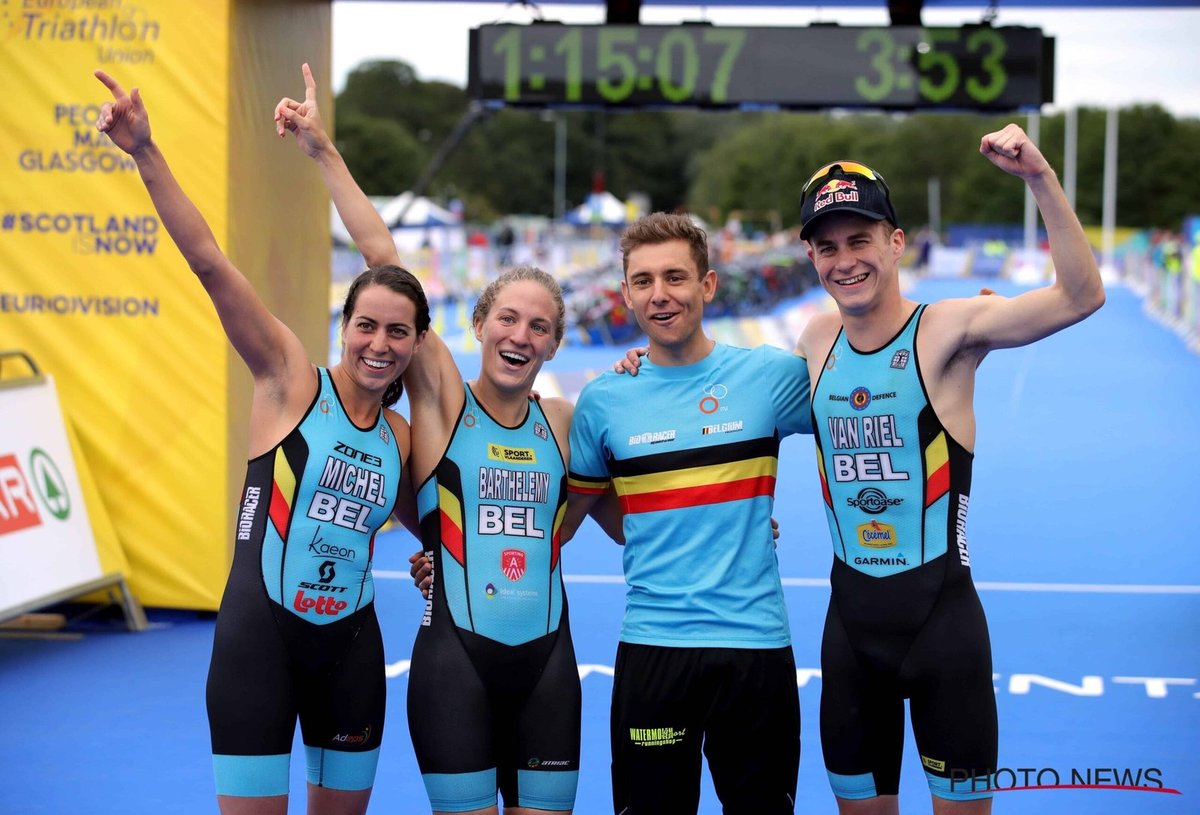
The Belgian Hammers won the Olympic qualifier in Lisbon and competed at the Tokyo Olympics. Exercise physiologist Reinout Van Schuylenbergh explains how INSCYD VLamax and VO2max data drives their mixed relay training program.
The Belgian Triathlon Team Mixed Relay won the Olympic qualifier in Lisbon. As a result, they will compete in the Tokyo Olympics on July 31. What is their formula for success and how do they use INSCYD to create race winning training programs? Read it in this blog.
Triathlon Mixed Relay will make its Olympic debut in Tokyo. But what is this new Olympic discipline all about? Four athletes, 2 women and 2 men, form a team. Each athlete needs to swim 300m, cycle 8km and run 2km. After completing this (very) short triathlon, an athlete taps the hand of their teammate to pass the relay. With each triathlete’s effort lasting about 20 minutes, the race usually takes less then 90 minutes in total.
Although the mixed relay will make its debut in Tokyo, it has been around for several years. INSCYD’s partner Triatlon Vlaanderen – part of the Belgian Triathlon Federation – chose to introduce young talented triathletes to the mixed relay races. That resulted in a bronze medal during the European Championships of 2011 and 2014 for the juniors.
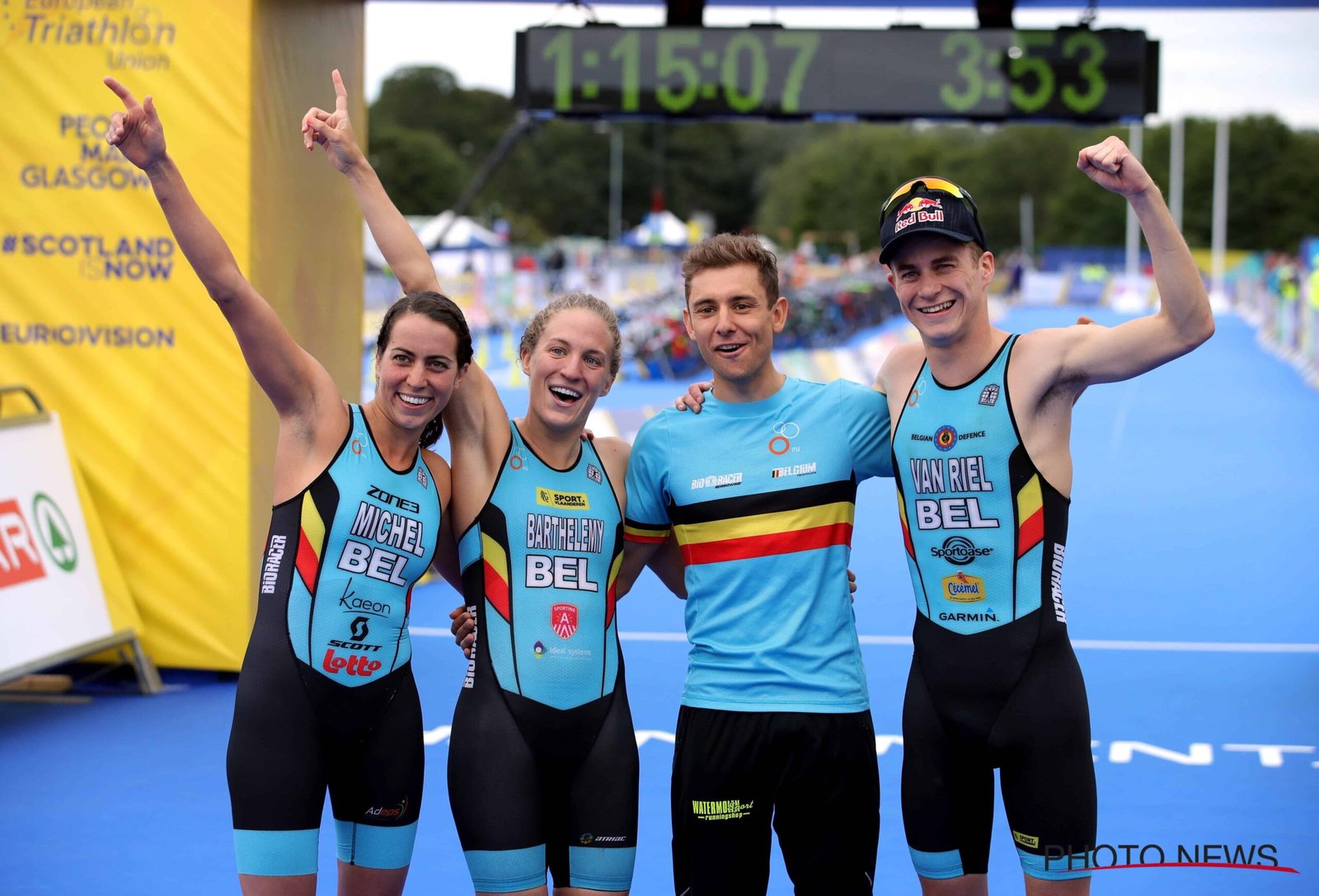
Finally, in 2018 there was a breakthrough for the elite mixed relay team. They won a bronze medal during the European Championships in Glasgow. That’s also when their name “Belgian Hammers” was born, referring to “hammer down” or the perseverance of our athletes. Many great performances followed, of which the recent victory of the Olympic qualifiers in Lisbon is one of them:
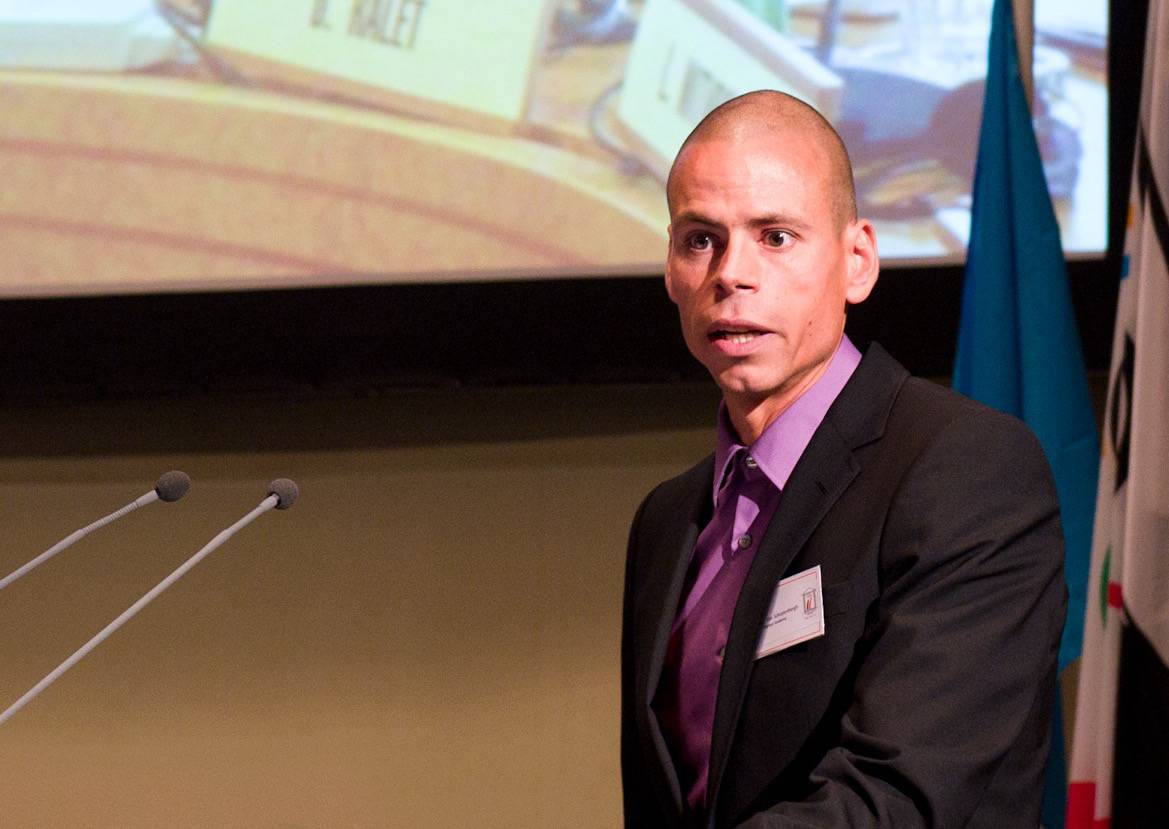
That is the question we asked exercise physiology expert and academic at Triatlon Vlaanderen, Reinout Van Schuylenbergh PhD.
Based on literature about similar efforts, like a 5k run, we expect the aerobic power to be the most important aspect. This is also what we see when looking at our athletes. Those who have a high VO2max in swimming and running appear to be good in mixed relay.
However, our athletes show a rather small range of VLamax outcomes, somewhere between 0.3 and 0.5 mmol/L/s. Therefore, it could be that other factors besides VO2max become decisive in groups/athletes that have a wider range of VLamax outcomes.
In general – as you can imagine – short distance triathletes who perform well at a sprint or Olympic distance are usually also the best mixed team relay athletes.
Good question. Since the effort is so short (less than 20 minutes), the transition becomes even more important. Athletes with better motor skills have an advantage on those who have less well-developed skills.
The training philosophy of our national teams is mainly based on the polarized model. In practice that means they spent a lot of time at relatively low intensities (below FatMax), and combine this with very strenuous VO2max sessions. Strength training is also part of the program, all year long.
We use INSCYD to balance between VO2max and VLamax. This balance gives direction to the training schedule. Our priority is to increase VO2max while keeping VLamax within the desired range. For most triathletes that is about 0.3 mmol/L/s.
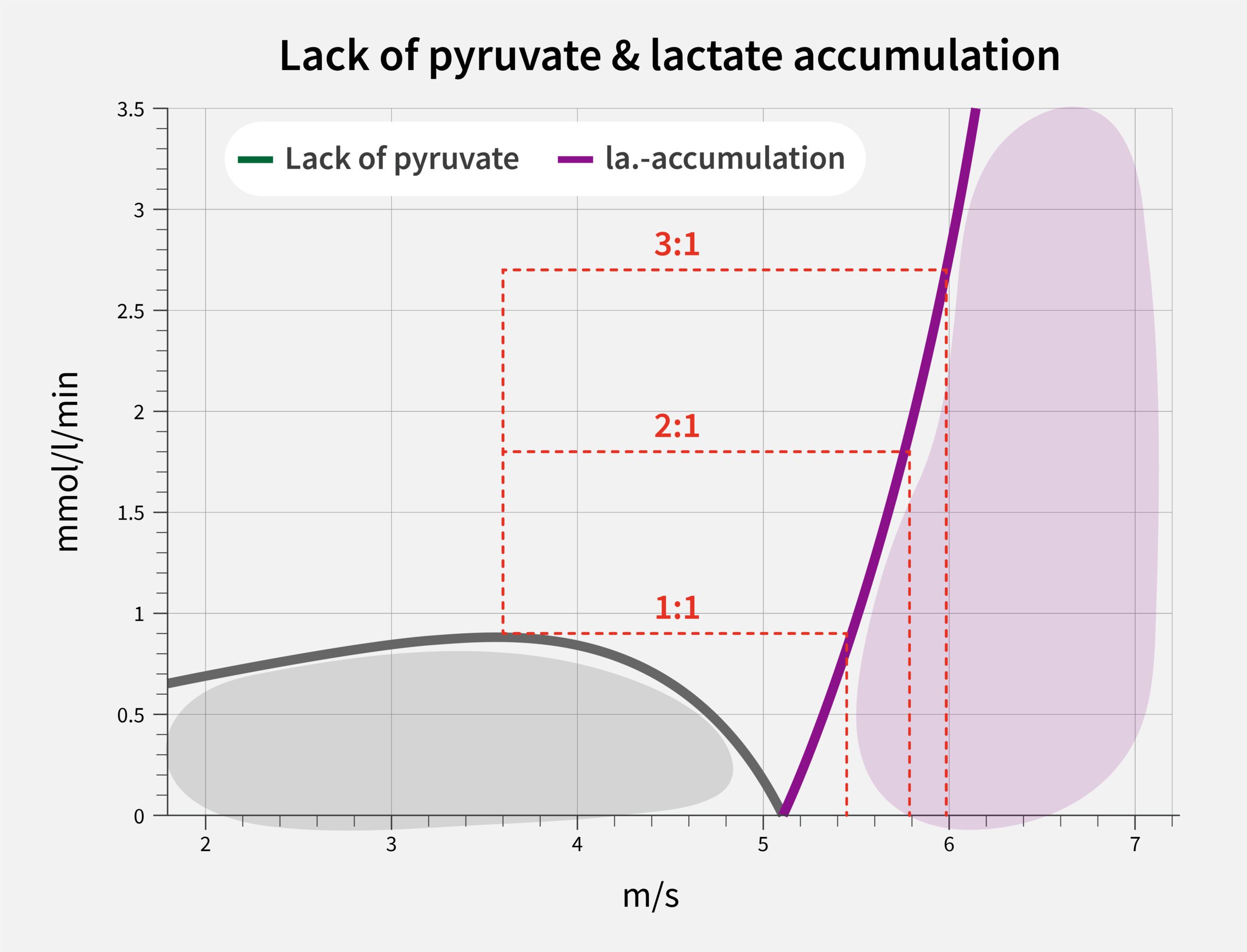
In practice, we also use the lactate recovery/accumulation curve. This tool enables us to create highly individualized interval training.
VO₂max, VLamax, FatMax, thresholds, fuel use and training zones, from a single test in the lab, in the field or fully remote.

